How to Eat at Crissier, the Swiss Town Hall That Became One of the Great Restaurants of Europe
Three stars since before most of its guests were born, a lineage of five chefs, and a summer menu built on lake beef and Valais apricots. A practical guide to the most classical lunch in Switzerland.
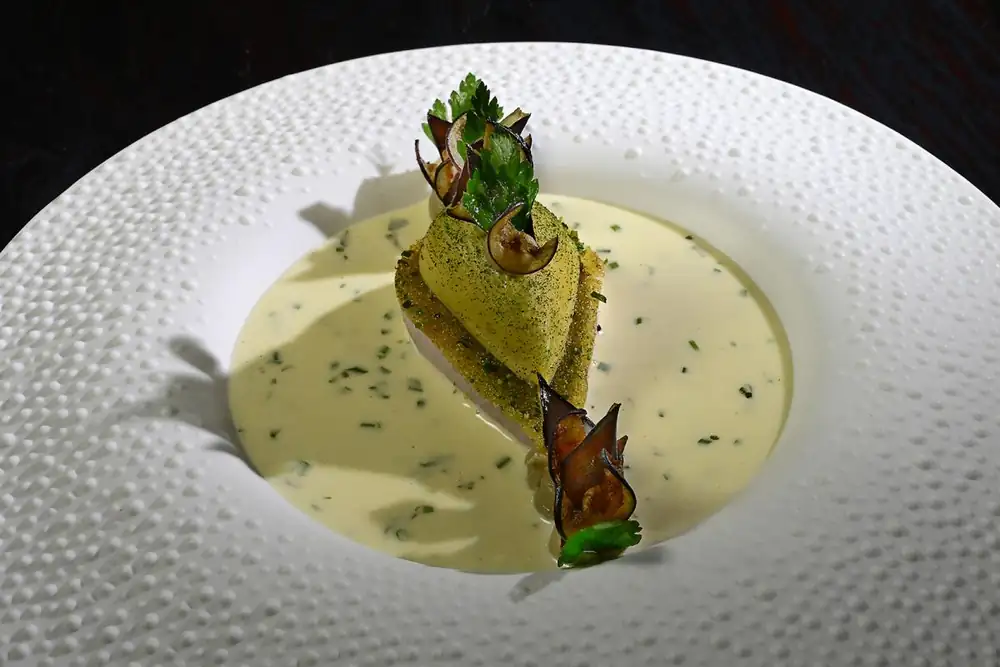
Crissier is a suburb of Lausanne of the kind you would drive through without stopping, which makes the first sight of the restaurant a small shock: a handsome old town hall, a discreet sign, and inside a room of white cloth and silver where every table is set as if for a state visit. This has been a temple of French cooking since Benjamin Girardet took over the kitchen in 1953. Today the chef is Franck Giovannini, who has worked in this building for most of his adult life and holds its three Michelin stars with the calm of a man who was never going to let them go.
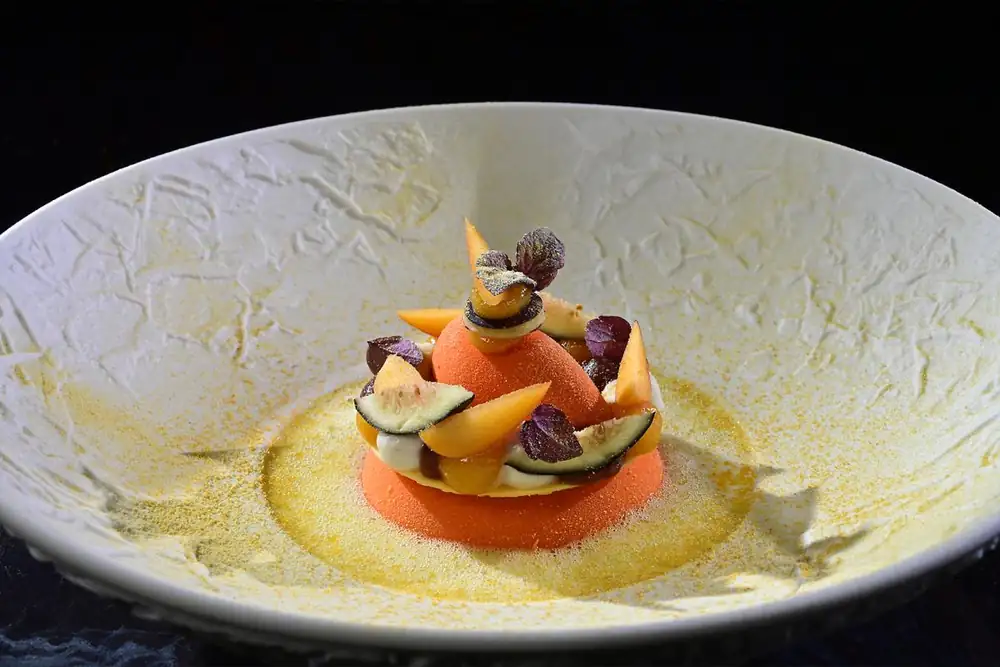
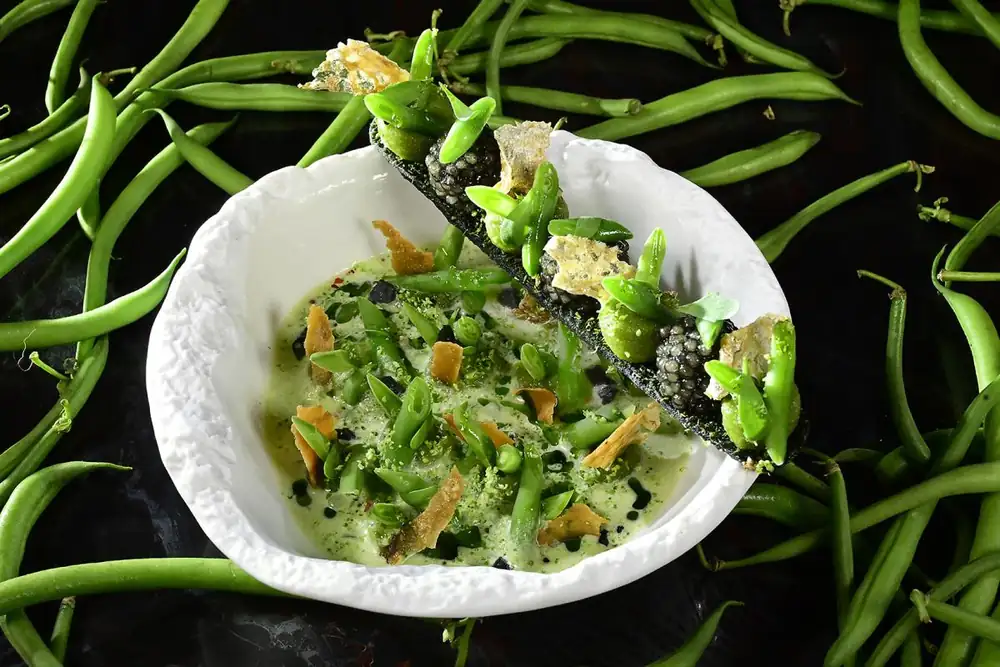
The menu changes with the seasons and is numbered like an edition; the current summer carte is the seventy-first. On my lunch it went like this. Red mullet from the Mediterranean, skin crackling, on a saffron sauce. Blue lobster, poached to the edge of raw, with a sauce made from the shells. Beef from the shores of Lake Geneva, roasted on the bone and carved beside you, with green beans from the village of Vinzel. Valais apricots with figs to finish, and then, if you have any sense, the soufflé.
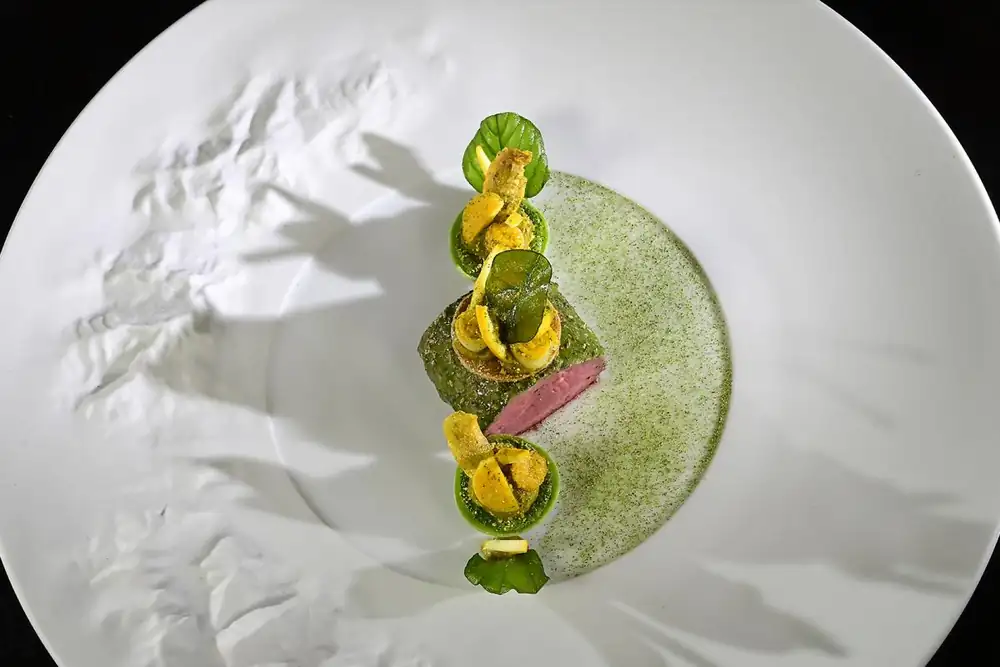
What surprised me was not the perfection, which I expected, but the flavour. The rouget tasted more of rouget than any I have eaten on the coast it came from. The beans had the grassy snap of something picked that morning. The lobster sauce had a depth that I could not stop thinking about on the train home; when I asked, I was told it takes two days and a great many shells. This is a kitchen that has spent seventy years learning to make simple things taste like themselves, only more so.
The room itself is part of the pleasure. High ceilings, tall windows onto the garden, tables dressed in heavy white linen and set with silver that has been polished that morning; the chairs are comfortable enough for four hours, which is not a small thing. In summer the light comes in gold through the trees and the dining room feels less like a temple than like the best lunch of a long, unhurried holiday.
If you go in autumn, go for the game. It is the house's most celebrated season, a tradition that runs back through every chef who has cooked here: hare, venison, partridge from the surrounding hills, sauced with a depth that has become something close to a regional monument. Book early; those weeks fill first, and they deserve to.
Practicalities: lunch is the smart way in, both for price and for light; the dining room looks over a garden and the afternoon sun does lovely things to the silver. Book several weeks ahead through the restaurant's website, more for weekends and for the autumn game season, which is the house's most celebrated moment. Jackets are not required but most men wear them. Allow three and a half hours. The wine list is deep in Swiss whites from Lavaux, the vineyard terraces above the lake, and the sommelier will happily take you there by the glass.
Bring: an appetite, and a willingness to be looked after in the old way. The service here is a kind of choreography, quiet and constant, and it is one of the pleasures of the meal. Do not bring: hurry. Nothing is rushed, and the courses arrive with a rhythm that has been refined over decades. If you want one tip, it is this: when the bread trolley comes, take the small dark loaf with the crackled crust. It is baked in the house, and it is worth the trip on its own.
Getting there is easy: twelve minutes by taxi from Lausanne station, a little more from Geneva airport. Leaving is harder. You walk out into an ordinary Swiss afternoon carrying the taste of the lobster and the memory of the soufflé and a suspicion that you have just eaten one of the meals against which you will measure the rest.