Circular Economy and True Sustainability: the Next Phase for Vertical Farming
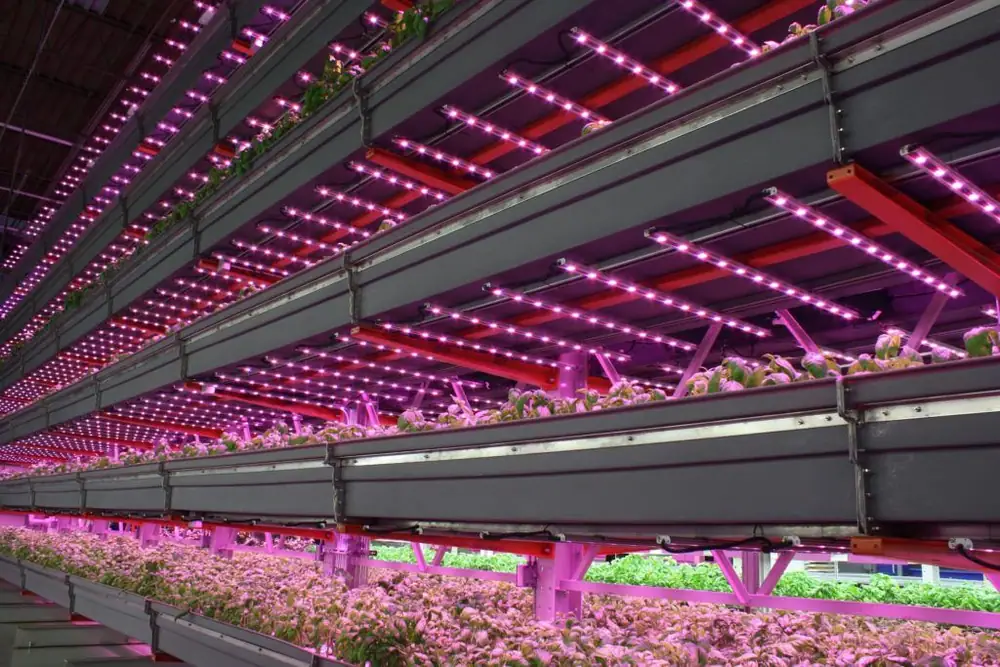
Vertical farming, the practice of growing produce indoors, under controlled conditions and in an urban setting, is still a relatively small marketplace compared to other parts of the agtech trade. In 2015, startups producing technologies in and around the “indoor agriculture” space, secured just over $107 million in fi…
“While of course we continue to promote vertical farming, we are now spending resources to talk about what vertical farming means in the context of future cities.”
There are currently around 230 vertical estates globally, the majority of which are based in Japan. But the segment is gathering pace in other trades like the US where the existing produce industry that’s centered around Californian production which has large structural problems, mainly around water resources, and a large carbon footprint associated with it. Dickson Despommier, who coined the term vertical farming in 2008.
With nearly three years and an sector event in Beijing last year under its belt, the AVF is now keen to move the conversation on. This year the association will hold its second annual summit in Amsterdam on June 13 at the RAI convention center the day before GreenTech , one of the largest horticultural exhibitions in the world.
A lot of AVF Members will as well be exhibiting technology in the Vertical Farming Pavilion at GreenTech ). The growth in the number of vertical holdings globally informed the decision to make this year’s event about the concept of the circular economy and true sustainability; how indoor farming can fit into the different flows of a city such as energy, water, waste and food chains. Moving the vertical farming conversation on Oscar Rodriguez, an architect and a speaker at the AVF Summit this year, became a proponent of urban farming after he became sick of architecture paying little more than lip service to addressing climate change.
Of the mega-trends he researched, food represented a very architectural intersection of so many of these concerns and had historically been a key driver of city development. Until the advent of coal and railways, a close and accessible food supply had been a key driver and design parameter for cities.
With coal, the steam engine and then oil and the combustion engine, people realized you could grow food further away from buyers and the relationship kicked off to break down. They’re in addition abundant in resources like water, labor, energy, and heat, a lot of which is wasted.
Tapping waste heat and Co2 from a host building could substitute the need for gas heaters in a rooftop greenhouse operation, for example. Rooftop greenhouses also help insulate the host building in the winter and offer evaporative cooling in the summer, reducing building operational costs. “The question for me as an architect is how can I integrate it all together into a system that still delivers the host building’s needs, but can offer hyperlocal food production as well?
How do we eliminate the whole idea of waste and feed outputs from the host as inputs into a horticultural operation within the same building? In 2008, high food rates directly contributed to the discontent that sparked riots leading to the Arab Spring. If our relationship to our food supply is not addressed while we have relative stability, there may be serious trouble ahead.” The US is better positioned to absorb urban estates than other countries like the UK, Rodriguez argues, since there are large structural problems with the US fruit and vegetable marketplace, not least water resource constraints.
In the UK, even so, there is a challenge over the costs of deploying several urban estates as each building brings different issues. Are you interested in hearing more about how vertical farming can promote a circular economy?
- Who: AVF Summit · Vertical · Max Loessl
- Money: $107 million · $4.6 billion
- Percentages: 2%
- Figures: 107 million · 2% · 4.6 billion