City of Sydney proposes to make temporary on-street dining spaces permanent - hospitality
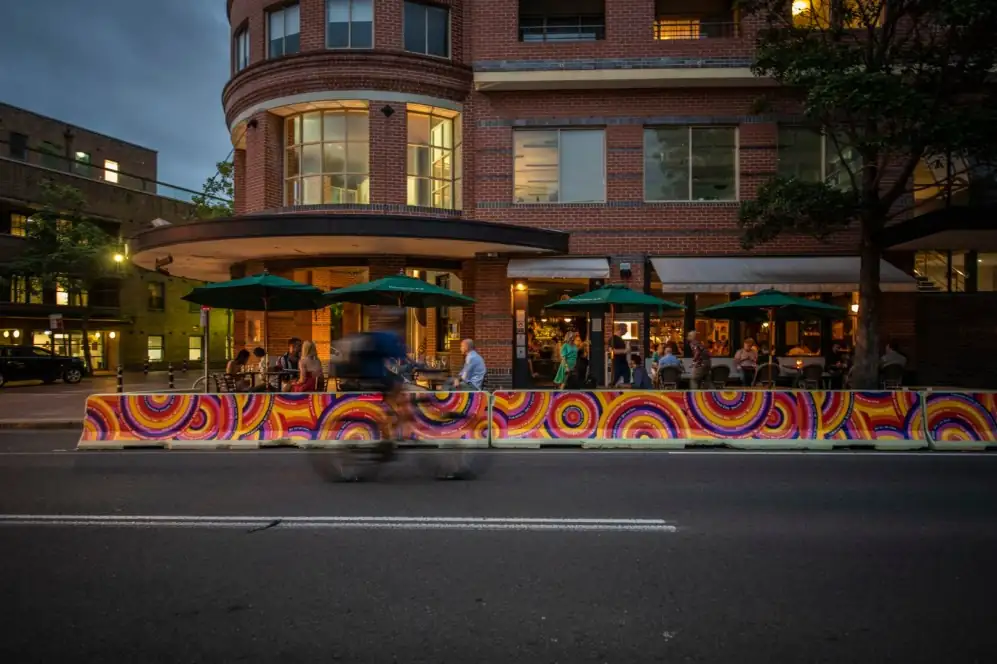
The City of Sydney is looking to turn nearly 150 temporary on-street dining areas into permanent footpath extensions. The move is part of the latest stage of the council’s outdoor dining program and follows extensive public feedback about proposed changes to the scheme.
“Both community and business have expressed strong support for our recent proposals which will make outdoor dining easier and boost the vibrancy of neighbourhoods and high streets,”
The proposal includes a raft of changes including making the outdoor dining approval process easier, removing red tape for rules such as no standing without a table, and increasing flexibility to place planter boxes.
Lord Mayor of Sydney Clover Moore AO says they know outdoor dining has become a valued part of Sydney’s street life and culture.
“Both community and business have expressed strong support for our recent proposals which will make outdoor dining easier and boost the vibrancy of neighbourhoods and high streets,” says Moore.
“Now we’re taking the next step. We’re replacing temporary concrete barriers around current on-street dining spaces with attractive, permanent footpath extensions.”
There are currently around 150 temporary on-street dining spaces being considered for conversion, and spaces already planned for conversion as part of major upgrades on Darlinghurst Road, Erskineville Road, and Stanley Street.
The City of Sydney says more than 150 submissions were received from community members and businesses, with strong support for increasing outdoor dining and making it easier for businesses to operate.
Community feedback also highlighted the importance of maintaining accessible footpaths, managing noise impacts, and considering the loss of parking spaces.
The proposals
The latest stage in the outdoor dining program included a number of proposals, including:
establishing a process to turn on-street areas currently bordered by concrete barriers into permanent footpath extensions, where suitable
providing a more certain and effective clear path of travel on the footpath for everyone
allowing businesses to set up outside adjacent properties, following approval by the City of Sydney
if space permits, allowing dining on both sides of the clear path of travel, including against a building and kerb
making the approval process easier and quicker by reducing the need for notification and removing duplicate application processes
removing red tape such as rules around no standing without a table or shelf, or additional requirements for food, toilets, and heaters
increasing flexibility to place planter boxes and large pots
increasing business certainty with five-year approvals in new permanent footpath extensions, where possible
The City of Sydney says the final guidelines retain measures to ensure clear paths for pedestrians and people with disabilities. Meanwhile, existing processes for assessing parking and traffic impacts will continue to apply.
Moore says by providing an reliable, clear path of travel, maximum space will be available for business while protecting access for people with disability, and those pushing prams.
“Our priority is to ensure Sydney continues to have a thriving outdoor dining scene while maintaining sufficient space for others,” says Moore.
Compliance approaches will focus on communication and education for operators until February 1 2027, except where enforcement action is needed due to significant public safety issues.
Since the City of Sydney in 2020 began offering public footpath and road space to businesses free of charge, more than 2600 applications have been approved. An estimated 16,000 square metres of new space on roads and footpaths have been created, supporting more than 1000 businesses.
Three-quarters of businesses say the boost in customer numbers meant they hired more employees, with more than one-third seeing a 20 per cent increase in turnover.
The City of Sydney says the total value of support by waiving footpath and on-street dining fees is around $25 million since November 2020.
“It’s wonderful to see people out on the streets, connecting with each other, and enjoying their neighbourhood while supporting local businesses,” says Moore.
“These latest changes will further enhance outdoor dining experiences while making the city more accessible for those passing through our streets.”
The City of Sydney has allocated up to $20 million in its long-term financial plan for the program. The new outdoor dining guidelines, if endorsed by the council, will take effect from Thursday 1 October.
Construction of the footpath extensions is expected to begin in early 2027 and take place progressively across the city over the next eight years.