Carmelita Molino y Cocina, a table to discover Tijuana
I land in Tijuana to begin a day that will take me through the Valle de Guadalupe.
Located in the Independencia neighborhood, Carmelita also boasts a distinction that speaks to its growing prominence within Tijuana's culinary scene: it's featured in the MICHELIN Guide and holds a Bib Gourmand award, a recognition that distinguishes restaurants offering excellent cuisine at reasonable prices. It's also a project deeply connected to its surroundings and the family history that gave it its name.
Upon entering, the dining room appears to the right, and to the left, the open kitchen offers a glimpse into what happens behind the scenes. The name is a tribute to Carmen, José's grandmother, and that family connection is also felt in the atmosphere. The restaurant feels welcoming, warm, almost homey; a sense of comfort that needs little explanation.
Here, corn takes center stage. Figueroa's cuisine is based on nixtamal and ingredients that speak to northern Mexico, with a style that seeks to preserve its identity without becoming stagnant. The menu encourages ordering several dishes to share, not only because of the generous portions, but also because sharing allows for a more complete exploration of the different nuances of the menu.
Among the first bites is an unmissable tatemado burrito: beef rib in a large, grilled tortilla, stuffed with refried beans and Monterey Jack cheese, accompanied by árbol chili salsa and pickled onions. It's one of those dishes that serves an almost immediate purpose: to revive the body after the exhausting journey through the airport.
From the seas of northwestern Mexico comes a campechana tostada—catch of the day, shrimp, fresh shellfish, and fried octopus—meaty and crispy, its freshness completing the Pacific coast experience. There's something particularly striking about that bite: while the morning had been spent in waiting rooms and transfers, here the territory suddenly appears, concentrated in a tostada.
The feast continues with a wood-fired roasted duck enchilada. The meat sizzles in its own juices and is finished with the house mole sauce. It's a generous and comforting dish, the kind that transforms a meal from a mere succession of courses into a pause.
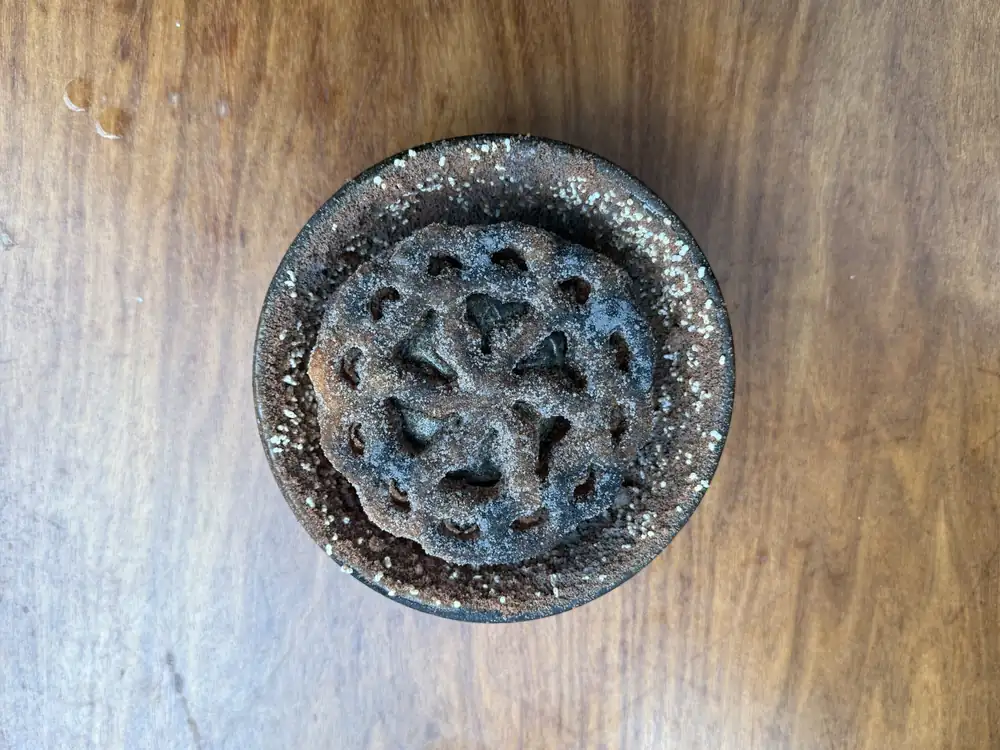
The meal concludes with one of the most creative desserts I've tasted in my career as a food journalist: a corn fritter with homemade ice cream, cinnamon butterscotch, and a cocoa and amaranth crumble. The composition plays with precise contrasts: the earthy, slightly rich character of the fritter finds balance in the subtle spice of the butterscotch, while the amaranth adds a crunchy texture that completes the bite. It's a dessert that surprises without being over the top and, like the rest of Carmelita's cuisine, finds an unexpected way to express itself through familiar ingredients.
José's father approaches the table, and the conversation turns to one of the projects they've been working on: fermented beverages. Their goal is to develop homemade drinks that can replace commercial sodas. I try a guava and lemon verbena beer; it's refreshing, slightly effervescent, and unique enough to warrant a second round.
More than just an exercise in novelty, these experiments reveal a constant quest to learn and find new ways to express what happens at Carmelita. The culinary experience isn't limited to the food itself; it also extends to the drinks and a desire to create homemade accompaniments.
Coffee, corn and territory
The bar also features Mexican coffee, with producers and projects like Cafeología and Las Adelitas, the latter being organically produced. This approach further expands the conversation about territory that permeates the entire space, because here, origin isn't just a discourse, but something that is drunk, eaten, and transformed.
Visiting Carmelita Molino y Cocina is to experience Tijuana through its flavors, but also through its people. José Figueroa's cuisine speaks of a city that looks north and toward the Pacific, that acknowledges the migrations and exchanges that have shaped it, but that also finds in its own ingredients a way to tell its story.
As I finish the meal, it becomes clear that Carmelita is not only seeking to preserve her roots but is using them as a starting point to continue asking herself what else can be done with them.