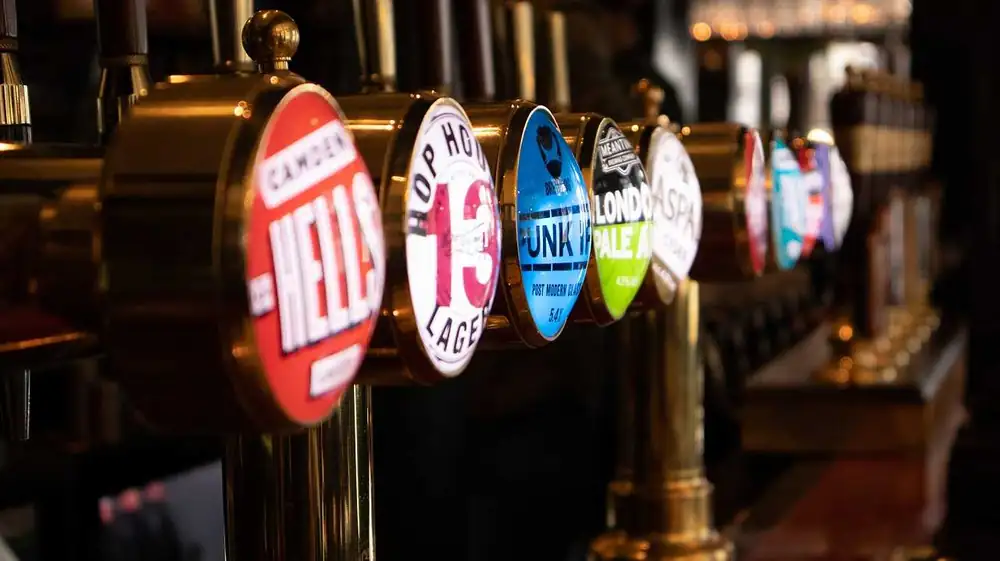
Craft beers are a problem in the UK too: CAMRA raises the alarm
The problem of so-called "crafty" products—products made by manufacturers but perceived by the public as artisanal—emerged forcefully in the beer industry, but it quickly spread to other sectors, as we've also noted in the world of ice cream.
It's therefore surprising that in a country with a strong beer culture like the United Kingdom, there's no real regulation regarding the craft status of breweries, creating a regulatory gray area that industries exploit, to the detriment of consumers when they're in front of a tap in a pub. This problem emerged in the latest report from CAMRA, the leading association for the promotion of English brewing tradition.
CAMRA raises the alarm
The research paints a picture in which the UK's brewing heritage appears to have been sold off to large multinationals with little interest in local specialties. Ash Corbett-Collins, president of the association, clearly expresses the frustration that drives many enthusiasts: "As consumers, we're angry. And that's because we have a lot to be angry about." This exasperation stems from the observation of how global giants dominate the market, flooding it with uniform and uninspired beers, while using multi-million-pound marketing campaigns to trick consumers into believing they're buying independent products.
The phenomenon of false provenance is one of the most critical issues addressed by the investigation. Brands that present themselves with an exotic or artisanal aesthetic are actually produced on an industrial scale in British factories. This is the case with beers like Madri, marketed as the soul of Madrid but brewed in Tadcaster, Yorkshire, by a giant like Molson Coors. The term craft itself has become ambiguous, as seven of the ten best-selling craft beers in the country are produced by just four large global conglomerates. This strategy allows large producers to occupy space that consumers would prefer for independent brewers, who, despite their capacity for innovation and use of high-quality ingredients, are often excluded from mainstream sales channels.
Barriers to entry for small producers are not only commercial, but also structural and contractual. Practices such as double marginalization and full-line forcing drive consumer prices higher than in a truly competitive market, and many pubs that appear independent are actually tied to supply agreements or contracts for the maintenance of their tap lines, such as those operated by companies co-owned by Heineken and Carlsberg, which drastically limit the manager's freedom of choice. This system creates a distorted market in which efficiency is sacrificed in favor of business models that prioritize large volumes at the expense of quality and diversity.
Faced with these accusations, major companies defend their position by emphasizing the transparency of their labels. Asahi, for example, responded by stating, "We believe in a diverse and thriving beer market that includes independent, regional, and international brewers, where consumers have the freedom to choose the beers they prefer. Ownership is clearly stated on the packaging of all our brands sold in the UK." However, CAMRA believes that government intervention and a formal investigation by the competition authority are necessary to break the current oligopoly.
How is craft beer doing in the UK?
Beyond the craft beer issue, the report presents data depicting a dramatic structural decline: since 1979, annual beer production in the UK has fallen from 68,900 to 36,100 hectoliters, halving the number of pints produced. Per capita consumption has plummeted from 122 liters at the time to 63 today, a decline that has seen beer give way to wine, which in 2020 overtook the lager beverage in the alcohol market for the first time.
While in 1990 the industry was 96% British-owned, today over 80% of production is in the hands of subsidiaries of foreign multinationals. Despite the existence of approximately 1,600 independent breweries in the UK, their overall market share remains stuck at around 7%, although consumer demand suggests a potential 20% if free trade were allowed. Added to this is a disproportionate tax burden: the UK imposes ten times higher taxes on beer than producing nations like Germany or Belgium.
The future of British pubs and beer, according to the report, depends on the ability to restore transparency and market freedom. Corbett-Collins concludes with a call to institutions to take concrete action: "Ordinary drinkers are being penalized when it comes to choice and quality at the bar. Our report shows how global players are exploiting the status quo to squeeze independent brewers, to the detriment of ordinary pub owners and beer drinkers. The government must step up, start taking this issue seriously, and take action that matches their claims of support for pubs and the communities they serve."