Homemade sloe wine
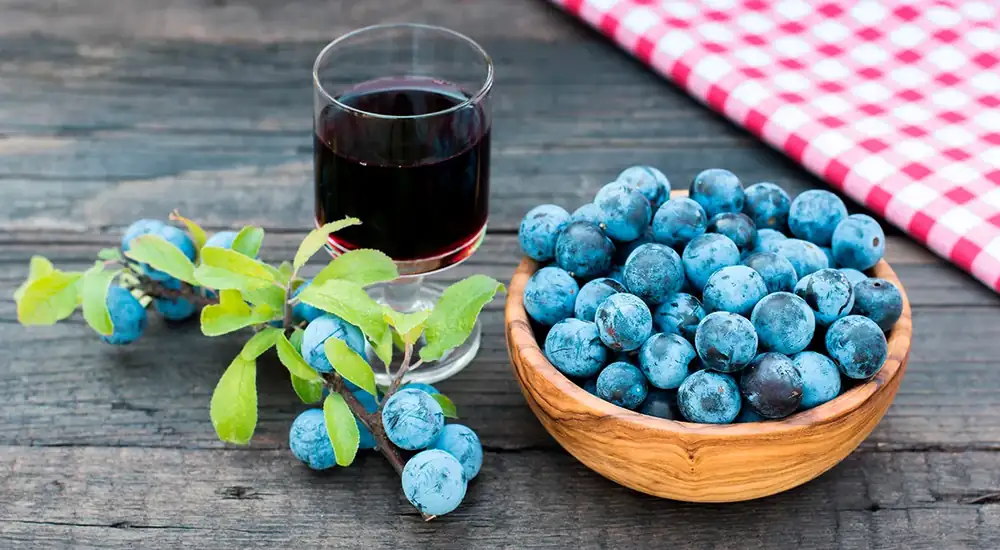
Sort the sloes, removing any debris, stems, and spoiled fruit. Don't wash them, as they contain wild yeast, which is what fermentation requires. Step 2: Place the sloes in a plastic or glass container and crush them with your hands or a potato masher. It's important that each berry bursts, but not all of them turn into…
Step 1
Sort the sloes, removing any debris, stems, and spoiled fruit. Don't wash them, as they contain wild yeast, which is what fermentation requires. Step 2: Place the sloes in a plastic or glass container and crush them with your hands or a potato masher. It's important that each berry bursts, but not all of them turn into a puree.
Step 3: Boil sugar syrup using all the sugar and water. Pour about half of the syrup into the container with the sloes, and save the rest in a jar in the refrigerator.
Step 4: Cover the container with the sloe must with a lid or tie it with a cloth to keep out insects and place it in a warm place (at a temperature of 22–28°C). Wait until active fermentation begins.
Step 5: After 2-3 days, add half of the reserved syrup to the fermenting wort and let it ferment for another couple of days. Then add the remaining syrup and let the wort ferment for another 2-3 days. The wort should ferment for 7-10 days. Step 6
After this time, strain the fermented juice into a 5-liter jar, squeeze out the pulp, and discard. Place the jar under an airlock or a glove with a pricked finger and let the future sloe wine ferment for a month. Step 7: When fermentation is complete, remove the wine from the sediment using a straw or filter it through a thick cotton filter, bottle, seal tightly, and store in a cool place to mature for at least a couple of months. The longer the sloe wine matures, the better it tastes.
Jam wine is a drink that people usually think about when a jar or two of candied jam is left on the shelf. It's a shame to throw it away. This recipe has its own logic: the jam has already imparted sugar and flavor to the fruit; all that's left is to start the fermentation process and give it time. That's why last year's jam is often used to make wine, and unwashed raisins are added to allow it to ferment. The flavor of the finished wine depends on the base you choose: raspberry, currant, and cherry jam are all suitable. You won't need any complicated equipment—just care: homemade wine prefers clean containers, a steady temperature, and doesn't tolerate haste.
Homemade plum wine is very different from what's sold in our stores under a similar name. This drink is often presented as Japanese or Chinese. Well, there's some truth to this, although it's often simply counterfeit. Plum wine has indeed been produced in China since ancient times. The raw material used is yellow plums, which are infused in fruit spirit. In our case, we're not talking about strong alcohol: the wine is made through a natural fermentation process and is very light, pleasant, and, of course, delicious. PRODUCT
Sloe is a berry long enjoyed by European and Asian chefs, though fresh sloe is unlikely to appeal to most. It has evolved from a "poor man's food" to an ingredient in expensive liqueurs. Today, modern technology allows for the sloe's flavor to be enhanced, mitigating its excessive astringency in finished products.