How wine can adapt to a changing climate
Previous studies have suggested that around 90% of coastal and low-lying wine regions in traditional locations such as Spain, Italy, Greece. Southern California could be at risk of disappearing by the time the century is out.
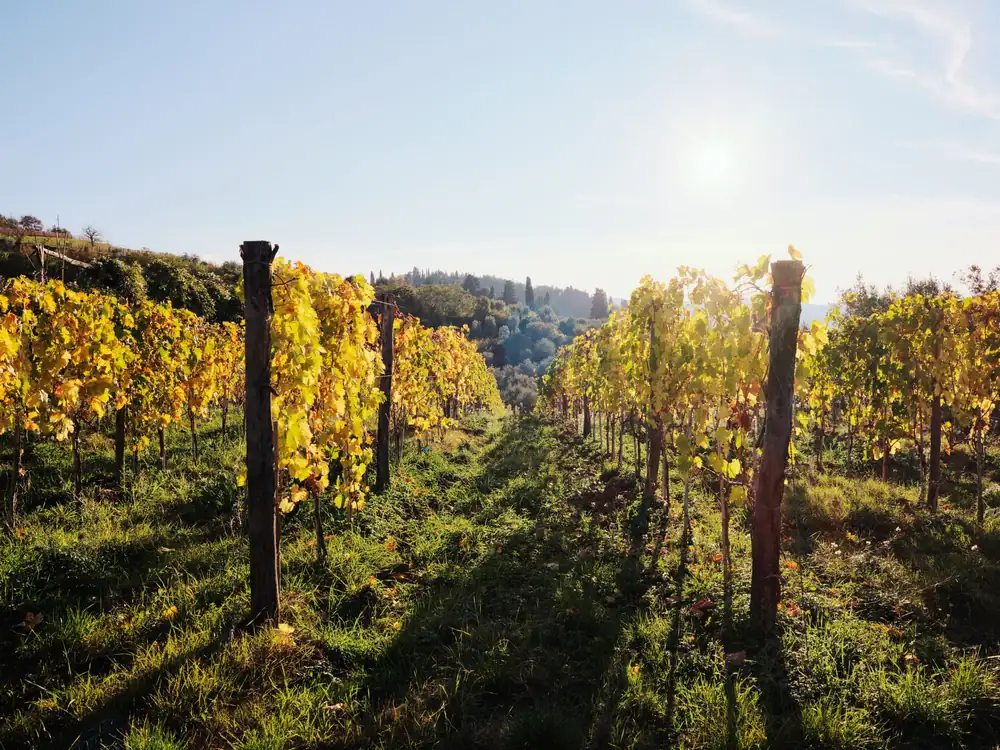
Meanwhile, places like the Netherlands, Denmark and Belgium could become more suitable for wine production, going to the research by INRAE and various other French organisations. Yet wine growers can’t just up and leave – most are fundamentally tied to the locality in which they produce.
A certain level of stress is needed to produce good quality wines, explains Ignacio Ricarte Sanchez, secretary general of EU wine trade organisation Comité Européen des Entreprises Vins (CEEV). “Moderate stress – normally associated with water or some nutrients in soil – forces grapevines to shift their energy away from growing shoots and leaves and focus on ripening smaller, more flavourful grapes. It as well helps to develop a stronger root system that will help the vine to better adapt to future problems.” Nevertheless, when this stress is too high, the level of quality cannot be maintained.
The pressure on wine is not just from heat, but the repetition of extreme conditions events such as frost and heat in the middle of winter. “If I was a plant, I would be mad”, says Sanchez. Many believe that after 2°C of warming, grape growers will be obliged to change their system of production in order to maintain the same wine quality, explains Sanchez. Despite climate pressures, the demands of the market can mean that certain varieties will be produced under significant pressure.
For years, the popularity of certain wines – pinot noir, for example – has meant that makers continue to grow them in areas that may not be the most adequate for them. Planting pinot noir in an area with too much sun may make it more difficult to maintain the same level of quality.
That said, the wine trade is now looking to choose varieties that can adapt better to the climate in which they are being grown, Sanchez explains. While wine regions are changing, and are predicted to change even more, wine production often cannot simply move. The vast majority of wine companies – around 99% – are SMEs, and many are family-owned businesses.
There are many areas in Europe in which there is currently no irrigation, explains Sanchez. Simply adding irrigation to the production process may help growers to maintain not only the wine’s quantity but quality as well.
Yet an excessively dry grape can mean that the style of the wine will change. Many growers want to grow to production, and some have moved to higher altitudes, where the different conditions make production easier to manage.
Higher altitudes can be beneficial for wine because of lower temperatures and greater thermal amplitude (the difference between highest and lowest temperatures), per to wine retailer Decántalo. It’s difficult for planters to maintain the same quality from year to year, states Sanchez, due to the went up management costs that this necessitates. And as the climate keeps changing, the profile of wine will keep changing as well, he stresses.
While some types of wine, such as champagne, are believed to have a better profile now than thirty years in the past, this may change again as temperatures shift. Growing conditions for wine are not the same as they once were.
- Who: Climate
- Percentages: 90% · 99%
- Figures: 90% · 99%