Mirazur, Where the Garden Sets the Menu and the Moon Sets the Garden
On a hillside above the sea at Menton, Mauro Colagreco cooks by the lunar calendar from five hectares of his own earth. A day at the restaurant that made the world reconsider what a menu is for.
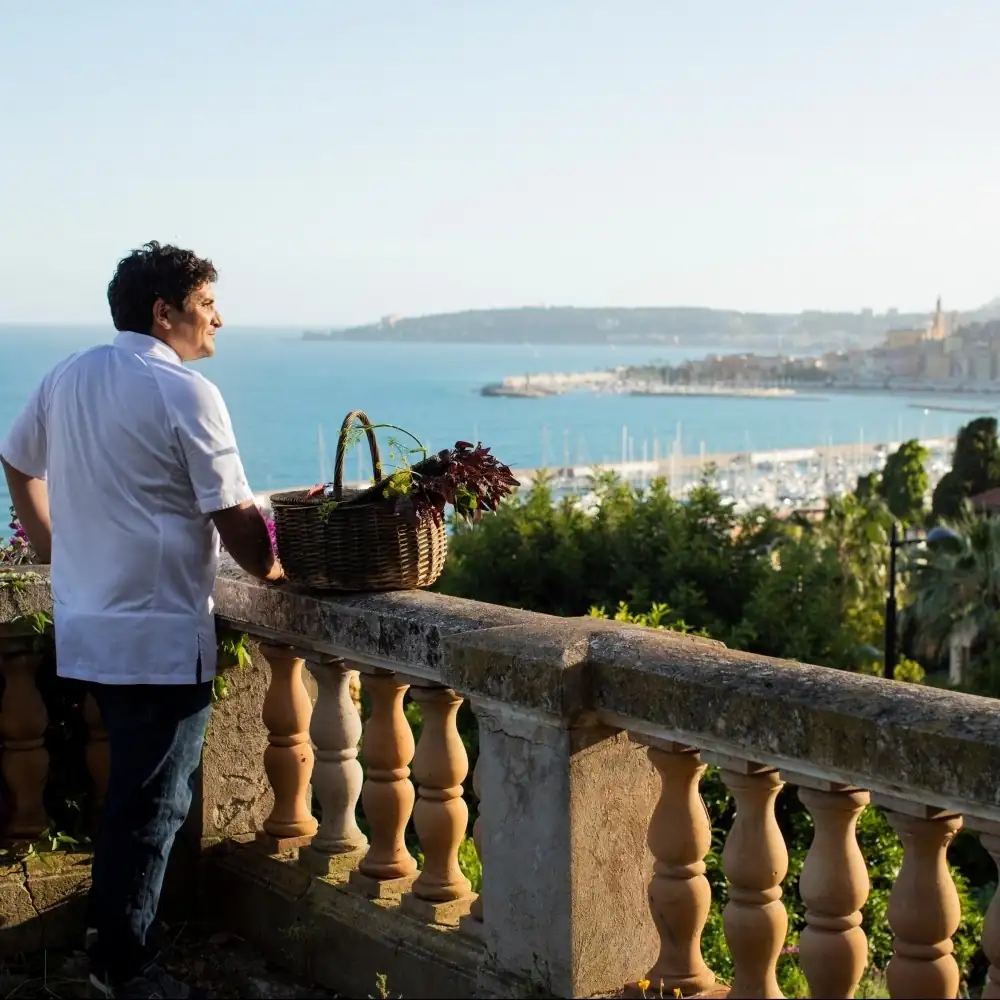
You arrive at Mirazur by a road that climbs out of Menton toward the Italian border, and the first thing you see is not the restaurant but the garden: terraces of vegetables and fruit trees stepping down the hill toward the Mediterranean, five hectares of it, worked by hand and by the phases of the moon. The dining room, a curve of glass above the water, comes second. That order is the whole philosophy of the place. The garden is the restaurant. The building is where you sit to eat it.
Mauro Colagreco, born in Argentina to an Italian family, trained in the great kitchens of France and opened here in 2006 in a building that had stood empty. Within a decade the restaurant held three Michelin stars and had been named the best in the world. Then, in 2020, he did something that a chef at that altitude is not supposed to do: he threw away the idea of a fixed menu. Now the meal follows the biodynamic calendar. Depending on the day you come, you eat a menu of roots, or leaves, or flowers, or fruits, and the kitchen builds it that morning from what the moon and the gardeners say is ready.
I came on a day of fruits, in late summer, and the meal began with a tomato. Not a dish of tomato: a tomato, warm from the sun, split and salted and dressed with an oil from the trees on the hill, and it tasted like the idea of a tomato that every tomato you have ever eaten was failing to reach. Then a plate of figs with a cream of their own leaves, green and almost coconut-like; then a broth of melon, cold, with a raw prawn from the bay whose sweetness matched the fruit's exactly. It was cooking as listening.
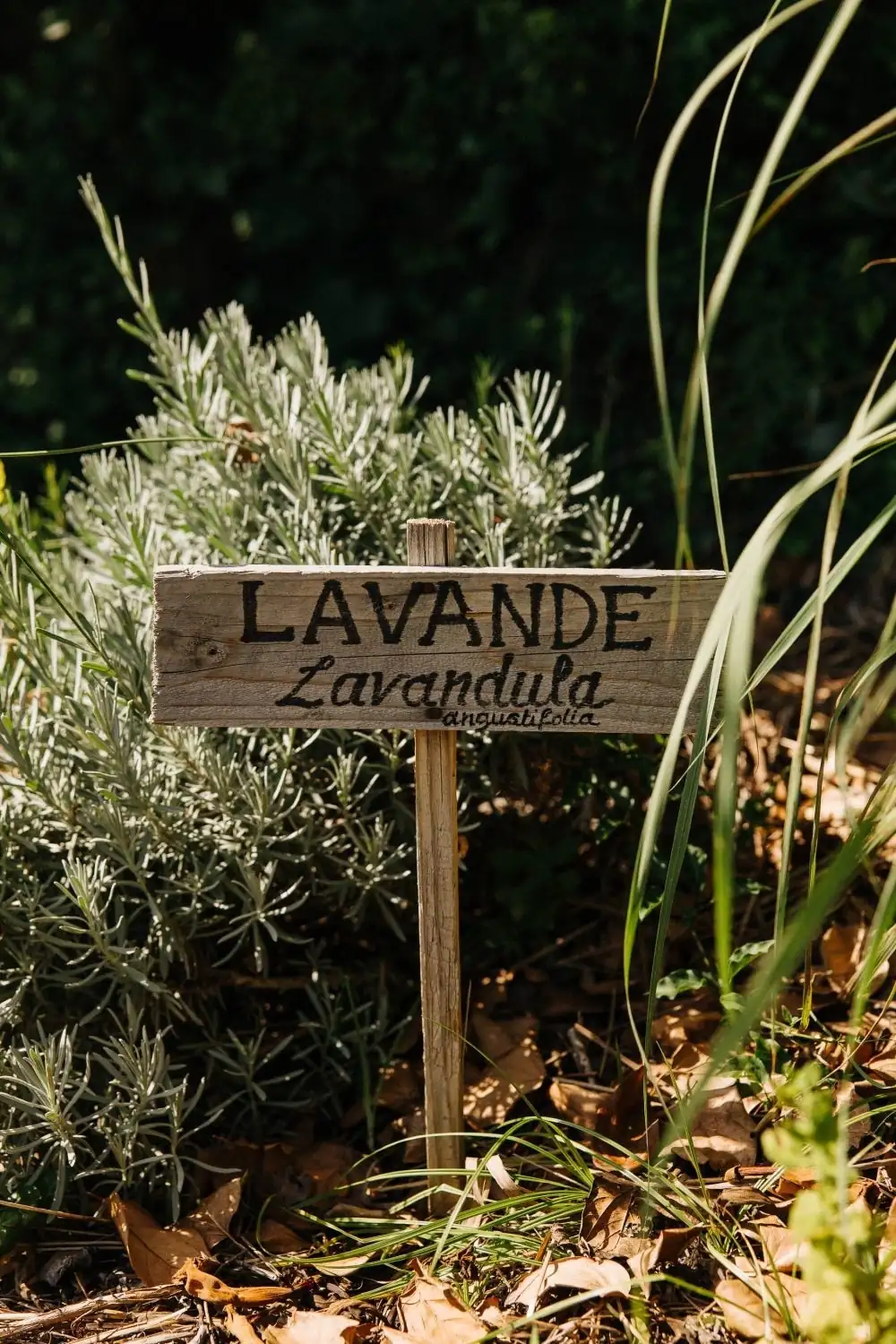
The garden visit is the part of the day people do not expect and do not forget. After lunch a gardener walks you down the terraces: the citrus that Menton is famous for, lemons the size of a fist; beds of herbs planted by the calendar; a chicken house; beehives at the edge of the wood. You are shown the plant whose leaves flavoured the fig cream you ate an hour ago, and the connection between the earth and the plate stops being an idea and becomes a smell on your fingers.
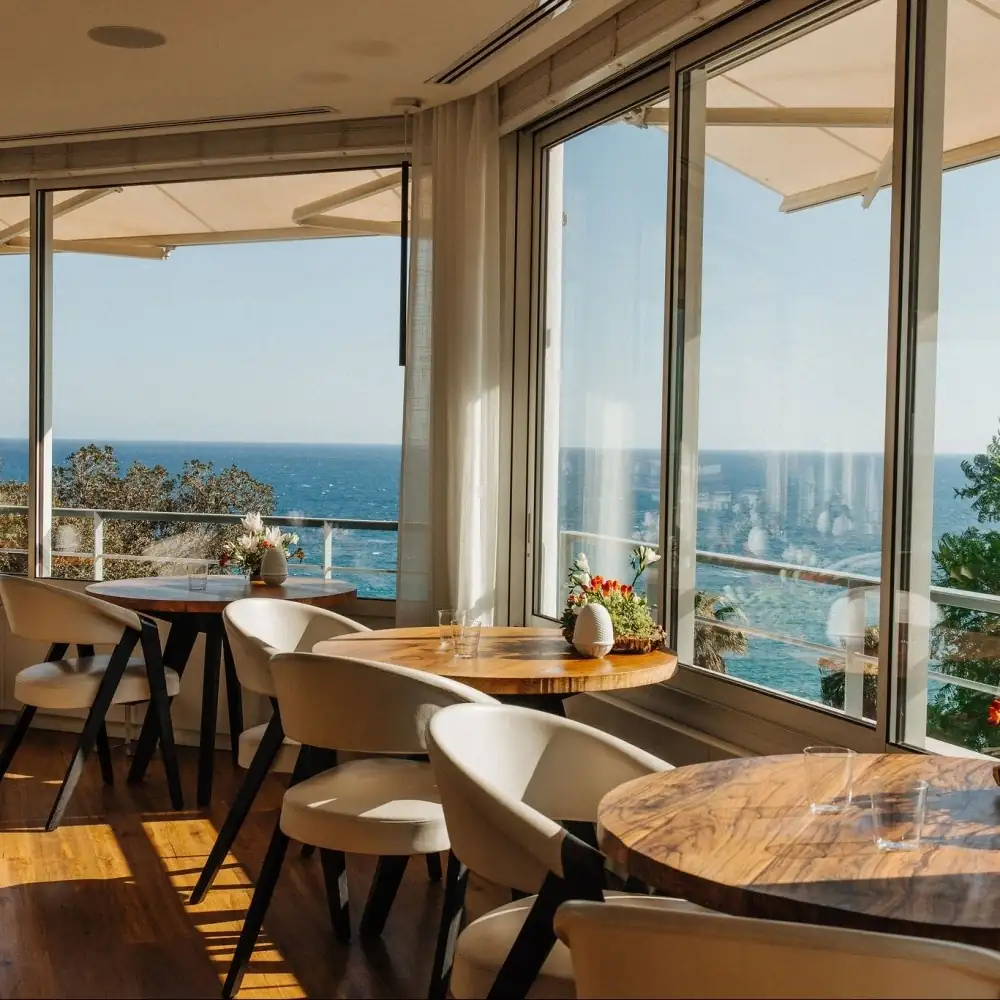
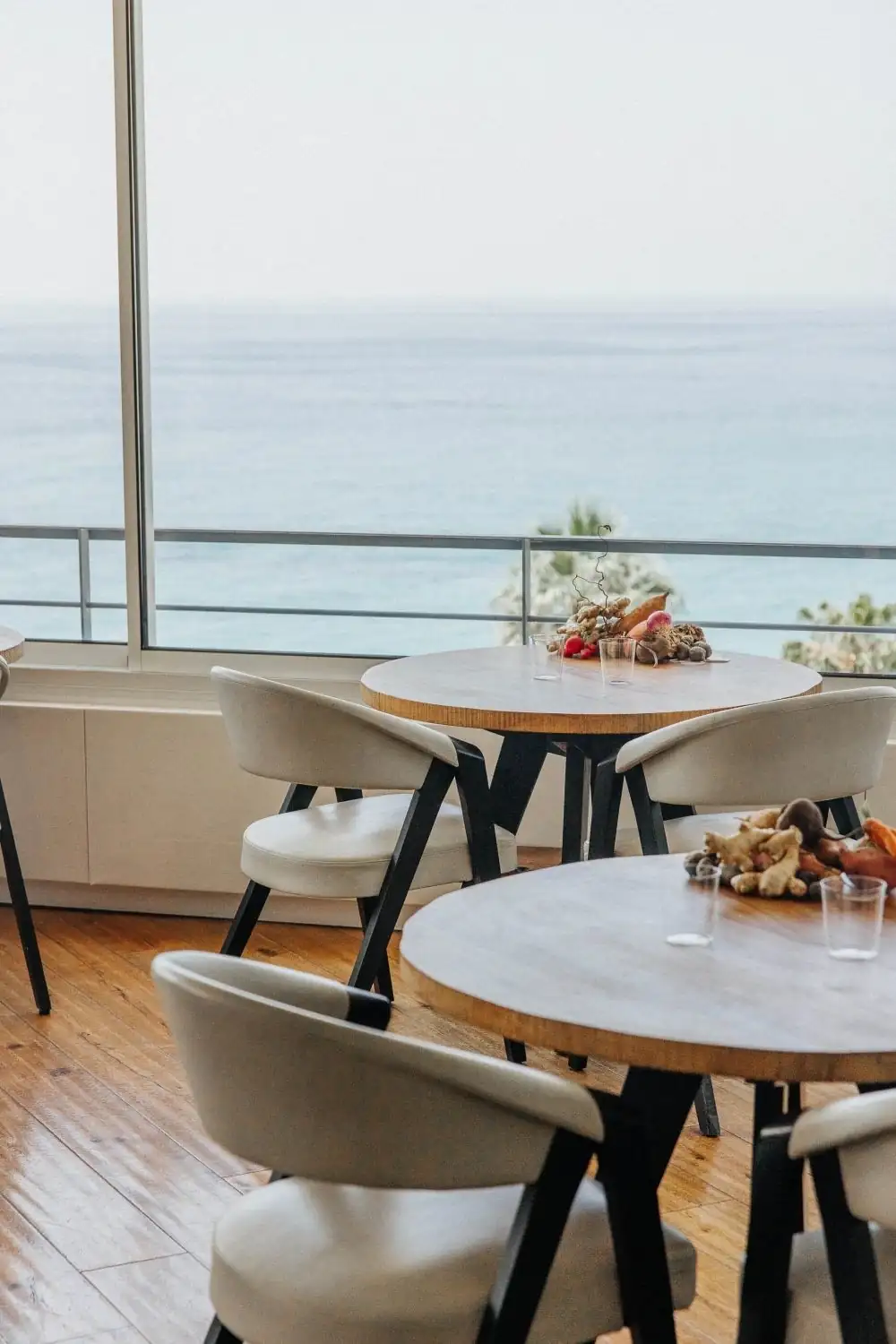
The dining room, when you return to it for coffee, feels different. The glass curve over the sea, the pale wood, the tables set far apart; and the kitchen behind, calm and bright, where Colagreco's team works with the quiet of people who know exactly what each day's menu is because they helped pick it that morning. The cooking here is often described as philosophical. It is, but it is also deeply practical: this is simply what a restaurant looks like when it is honest about where its food comes from.
Some things cross the calendar. The bread arrives with a poem by Neruda and a little jar of oil, and is meant to be shared, and is warm and crackling and tastes of wheat grown nearby. The beetroot in a salt crust with a cream of caviar, the dish that made Colagreco's name, is still here on the days when roots are the theme, and it remains one of the most beautiful things in French cooking: the beet earthy and sweet and dense, the caviar cold and saline, the two meeting like land and sea on the plate as they meet outside the window.
What is remarkable is the lightness. This is a three-star restaurant where you do not leave feeling you have been to war. The sauces are made from juices and infusions rather than butter, the portions are exact, and the sweetness of the fruit courses is the sweetness of the fruit and not of sugar. A dessert of peach, poached in its own juice with a granita of verbena from the garden, was the taste of the afternoon outside, distilled. I have rarely felt so precisely fed.
The service is warm and unhurried and knows the garden by heart; ask, and someone will walk you through it after lunch. The restaurant is plastic-free and certified for its practices, and its chef has become a kind of ambassador for a way of cooking that begins with the soil. But none of that is what you take away. What you take away is the tomato, and the moon, and the sea below the glass, and the idea that a menu could be an act of attention rather than an act of will.