Plant-Based Ready Meals Are a Win for Convenience, Sustainability, and Industry Growth
As shoppers increasingly appetite convenience without compromising on health or sustainability, plant-based ready meals are emerging as a sizeable trade player.
At present valued at an impressive USD 11.3 billion, the plant-based industry is projected to grow at a compound annual expansion rate (CAGR) of 12.2% between 2024 and 2034. By 2033, this market is expected to soar to USD 35.9 billion, reflecting the growing consumer interest in more plant-forward foods.
Similarly, the ready-meal market is experiencing upward advance – it’s predicted to hit USD 391.1 billion by 2034. The buying interest for convenient , time-saving meal options is widespread: in Europe, three-quarters of UK adults acquisition ready meals, while 30% report consuming them weekly. Likewise, in Germany, 84% of buyers now enjoy ready-meals or meal kits – with recent years attributed to most of this percentage. © Meatless Farm With the plant-based marketplace and ready-meal industry on the rise, opportunities are high for food growers and retailers.
In their latest New Food Hub article , ProVeg International investigates these opportunities and unveils trade whitespaces for growers. Plant-based investment Companies are already capitalising on the growing appetite for plant-based ready-meals. Supermarkets are increasingly adding plant-based products to their ready-meal lines, while restaurant chains are producing plant-based versions of their best-selling items for retail.
Big-name corporations are also getting in on the action. McCain Foods, for instance, put money USD 55 million in Strong Roots , a plant-based food firm specialising in frozen meals and heat-to-eat products.
In Germany, traditional meat producer Rügenwalder Mühle has ventured into plant-based alternatives , while Frosta, a principal player in heat-and-eat meals, has expanded its offerings to include an array of plant-based products. These investments demonstrate how firms can adapt to shifting consumer preferences while driving innovation in the plant-based ready-meal space.
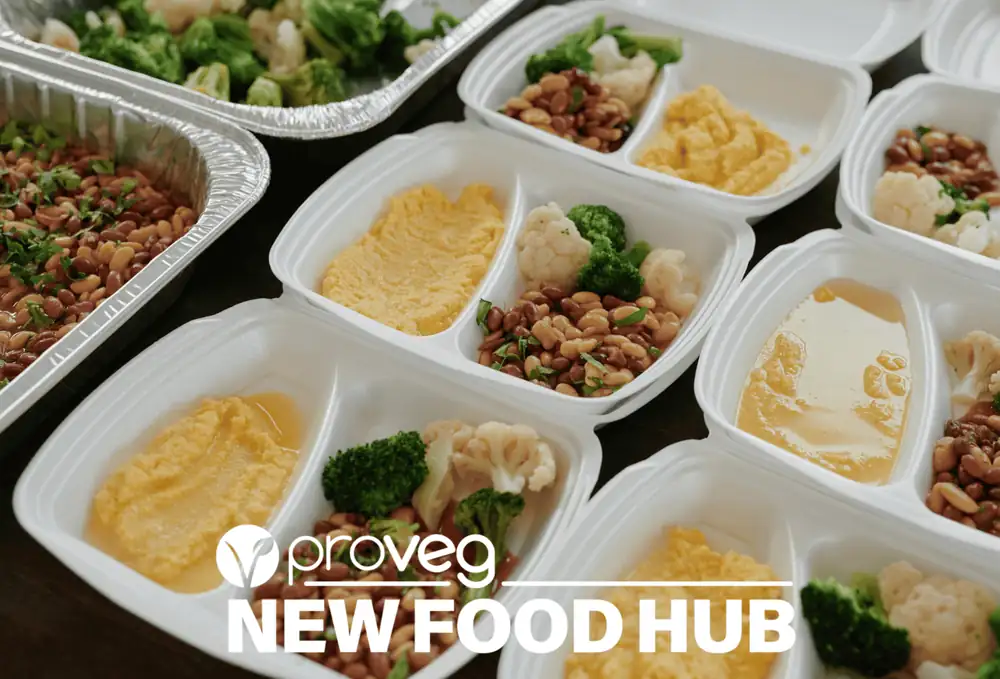
Image courtesy of ProVeg International For consumers, the appeal of ready meals goes beyond convenience. Health-conscious individuals are increasingly seeking meals that align with their dietary preferences and environmental values.
The growing appetite for clean-label, healthy, and eco-friendly options is pushing firms to be more transparent about their components, as well as the sustainability and environmental impact of their products. Technological advancements in food processing are also helping makers deliver plant-based ready meals that closely mimic the taste and texture of meat and dairy.
Protein sources like pea, chickpea, and soy are leading the charge in creating high-quality alternatives that satisfy even traditional meat-eaters. Moreover, packaging innovations – such as biodegradable and compostable materials – are gaining traction, helping shoppers reduce their environmental footprint.
Next in plant-based ready-meals The plant-based ready-meal sector offers sizeable advance potential for the sector. By tapping into evolving consumer preferences and leveraging gaps in the market, businesses can unlock new opportunities in this expanding industry while contributing to a more sustainable food system.
To unlock whitespaces in the trade and learn how your business can optimise plant-based ready-meal turnover, read the full ProVeg article on the New Food Hub.
- Who: New Food Hub
- Percentages: 12.2% · 30% · 84%
- Figures: 11.3 billion · 12.2% · 35.9 billion · 391.1 billion