Diary of a Canelé Obsessive: The Decades-Long Quest to Bake the Perfect French Pastry
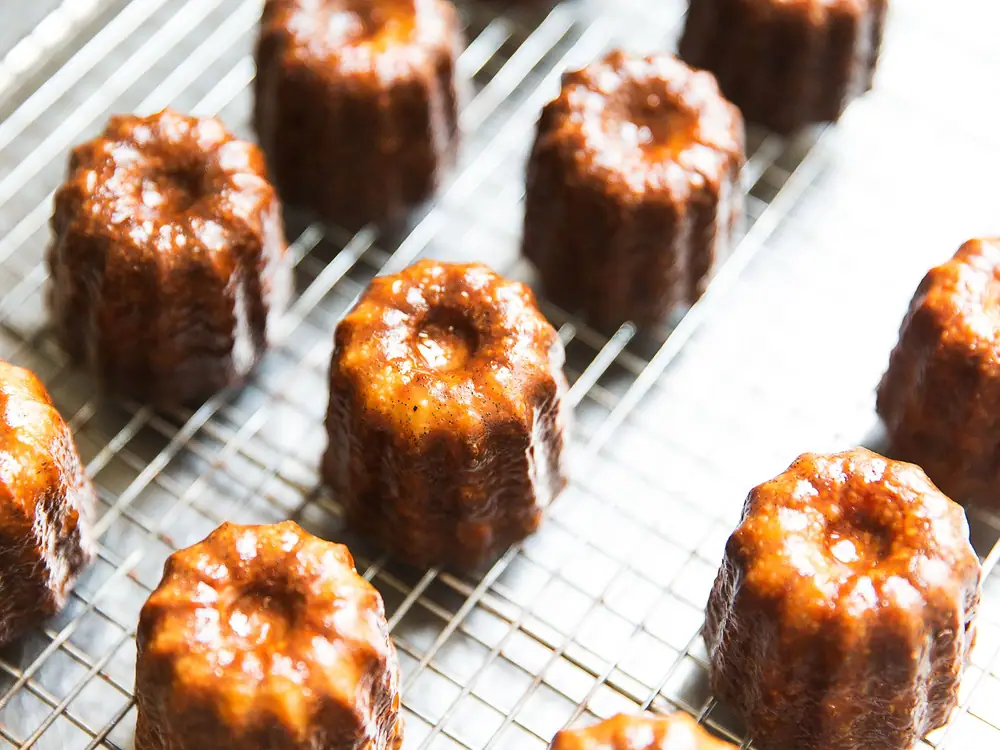
These French pastries are the real transaction: crunchy and caramelized to a deep mahogany brown on the outside, moist and custardy within, and deeply perfumed with dark rum and vanilla bean.
“the final bite the guest takes at the table should represent a reward after the meal, after the more complex dessert courses. We shouldn’t force them to think beyond pure enjoyment.”
Matt Taylor-Gross During the summer of 1993, a friend and I biked some 600 miles from Paris to the Dordogne river region of France. It was 17 years before I saw the pastry again, in New York at Le Bernardin. Like a long-time happily married couple who pull-back that their first two dates were just okay—that was me. Canelé. “Hold it in one hand and take a big bite out of it like an apple,” Dominique Ansel instructed me back in 2011, shortly before first day his Soho bakery.
This, he said, was the best way to experience the sublime contrast between the deeply caramelized crust and soft custard-like interior of a canelé. The caramelized-sugar crust of the best canelés comes from the heat conductivity of copper molds, and purists say you simply must commit to the expense of copper.
It’s a bastard canelé.” Enabling my burgeoning canelé obsession, my wife acquired me a couple of Matfer copper tin-lined canelé molds as an anniversary present, and after buying some beeswax on Amazon , I was anxious to dive in and start baking. Pim, who now runs a popular Thai restaurant in San Francisco , published in 2011 one of earliest and most thorough treatises on the myriad pitfalls of canelé baking: nearly 5,000 words of pastry exegesis in pursuit of perfection. By this time I was writing regularly about dessert and pastry in New York, and had a network of pastry chefs that were delighted—perhaps with a hint of Schadenfreude—to learn that I was undertaking the canelé, and happy to offer crumbs of advice to a struggling baker.
Bosie Tea Parlor’s Damien Herrgott bakes one of the best canelé in New York, so I approached him about my unwieldy, swelling batter. “I don’t know why so many recipes call for confectioners sugar!” he exclaimed, noting that the cornstarch in the mix can exaggerate a batter’s puff. “Use standard granulated instead.” I did, and the canelé got under way to behave. Gawle, who served me an outstanding canelé as part of the petit fours at Corton in New York, suggested using clarified instead of standard butter with my beeswax, because it has a much higher burning point (400 degrees Fahrenheit versus regular butter’s 250).
Early on, when I expressed my desire to bake the perfect canelé to Dominique Ansel, he smiled. Said, “bring it to me when you’re done.” So, against my wife’s advice, and after nearly two years and dozens of batches later, I presented the chef with the fruits of my labor. To be clear, they won’t yield pastries with the deeply caramelized crust of copper, but will as well only cost around $15, versus the $230 or so for eight copper ones.
The slightly more industrial strength Mauviel holds about 72 grams of batter and yields a larger canele. And another budget option: In the last few months, an American mold manufacturer has appeared on Amazon selling four copper molds for a total of $50, a big discount over the French ones. But for the glossiest finish and best flavor, coat the interiors with a 50/50 mix of beeswax (which incidentally adds a nice honeyed note) and clarified butter.
But the coating should be thin so the batter keeps in contact with the molds. Get Your Rest After mixing your elements but before filling your molds and baking your canelé, you must rest the batter for at least 24 hours.
This allows the flour to properly hydrate and for the gluten to develop, ensuring that your canele keep their shape when they rise out of the molds during baking. The rest in addition allows the rum and vanilla to fully permeate the batter. I recommend 48 to 72 hours, as the longer the rest, the stronger the rum and vanilla flavor in the canelé.
- Who: New York · French
- Money: $15, · $230 · $50,