
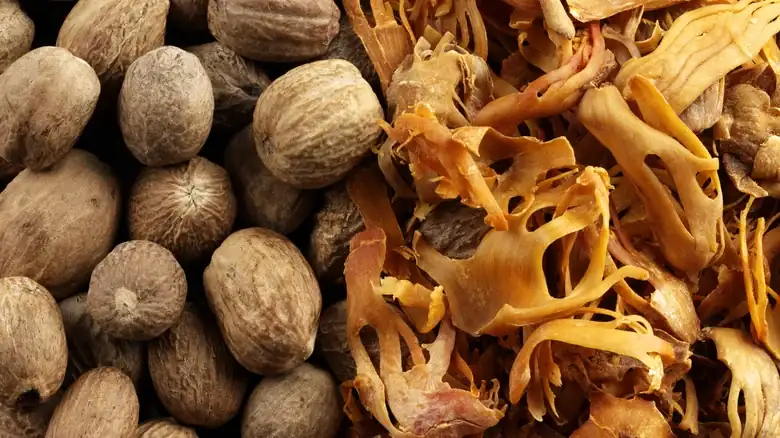
Mace and nutmeg: the difference between two spices from the same fruit
Mace and nutmeg come from the same tree and fruit, and although they are often used interchangeably, they do not taste exactly the same.
While you don't need every spice to cook, it's helpful to know the difference between similar spices, such as nutmeg and mace. Both come from the same tree and fruit, but they aren't exactly the same. European explorers traveled the world in search of aromatic herbs like cinnamon, pepper, cloves, and turmeric.
In terms of flavor, both have a warm, nutty note that pairs beautifully with pumpkin pie and mulled wine. Ground mace is slightly more intense than nutmeg, so if substituting it, adjust the amount accordingly.
Both are obtained from the seeds of the fruit of the Myristica fragrans tree, native to the Moluccas in Indonesia, known as the Spice Islands. Its fruits are small, about the size of an apricot. When ripe, they are harvested and processed, and the seeds are dried. Nutmeg is the central, round part of the seed, while mace comes from the aril, the red membrane that surrounds and protects it.
During the spice trade era, both were difficult to obtain due to the challenges of reaching Indonesia. Today, nutmeg is still cultivated in the Indonesian islands, but also in other areas, such as parts of Africa, India, Sri Lanka, and even tropical regions of the Americas.
They share peppery, cinnamon, cardamom, and pine flavors, but each has its own distinct nuances. Mace is more reminiscent of black pepper and coriander, while nutmeg is sweeter and nuttier. That's why nutmeg is the best choice for adding an earthy touch to spaghetti sauce or enhancing Alfredo sauce, and mace is better suited to marinades, creamy soups, and desserts with tart fruits. A blend of both works well in granola, ice cream, and traditional eggnog.