Interview with Jeremy Lee about home cooking and his book Kitchening
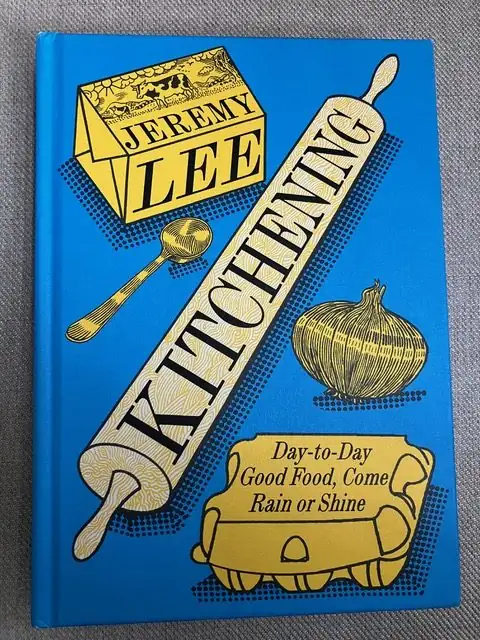
Jeremy Lee, chef of Quo Vadis in Soho, brings together in Kitchening 150 of his favorite recipes among anecdotes and memories of his life in the kitchen.
When asked if he takes a break from cooking during vacations, Lee confesses that he's tempted to reply that those are precisely his favorite times. Without the constant pressure of a job, the kitchen is a haven of peace, where he can cook at a leisurely pace, thinking about the present, the next day, the weekend, the freezer, or the pantry. He enjoys making a bacon sandwich, stirring porridge or custard, brewing soup, or preparing everything for a large gathering.
Browsing cookbooks at the kitchen table, jotting down ingredients for the shopping list, and browsing shops and markets stimulate the imagination and help decide what to cook. Lee also points out that there are always people in the kitchen during the holidays.
The book is aimed primarily at the amateur cook. Lee recalls that there was a great divide between restaurant and home cooking, probably because the profession and domestic life didn't mix well. Those times are disappearing: today, it's almost a requirement that the professional kitchen be an excellent learning environment, where good ingredients and the vast world of gastronomy are celebrated. "Simply put, a happy kitchen produces delicious food, whether at home or at work."
Lee grew up in a house filled with food books, newspapers, and magazines, surrounded by the excellent cooking of her mother and grandmother. Modern British cuisine, with its strong French and Mediterranean influences, inherits the post-war gastronomy of Elizabeth David, and the book places itself within that lineage alongside chefs she worked with, such as Simon Hopkinson and Alastair Little. "Those were wonderful times," she recalls of the years she spent cooking with like-minded people.
Among his early influences are the books of Madhur Jaffrey, Claudia Roden, and Anissa Helou, which spurred the vast number of authors and cookbooks that now grace cuisines worldwide. "Centuries of international trade have left their mark on British cuisine," he says. Looking to the future, it's intriguing that the next source of excellent food and fresh produce will be Greece, with its incredible larder that has often been overshadowed by the fame of Spain, Italy, and France.
Lee grew up in Dundee, a city still full of local shops, greengrocers, butchers, dairies, and fishmongers, and plenty of bakeries, back when supermarkets were just a nascent concept. Her mother bought fresh food every day and cooked it to perfection. The meals were simple: soup, minced meat with potatoes, delicious lamb and beef, fresh vegetables, and amazing fruit, because Scotland enjoys microclimates that produce wonderful produce.
The cuisine is organized around the months and seasons. Today, every young chef proclaims their allegiance to seasonality and fresh, local ingredients, something professional cooks should always know but have too often ignored. Lee also highlights the quality of the bakeries, cafes, cheese shops, and fishmongers opening now, even though some price increases are outrageous.
“There is a joy in the inevitability of cycles” she summarizes, not only of the seasons, but also of life and people’s tastes. Kitchening, with illustrations by John Broadley and photographs by Elena Heatherwick, is published by 4th Estate for 30 pounds.