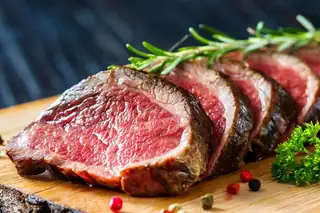
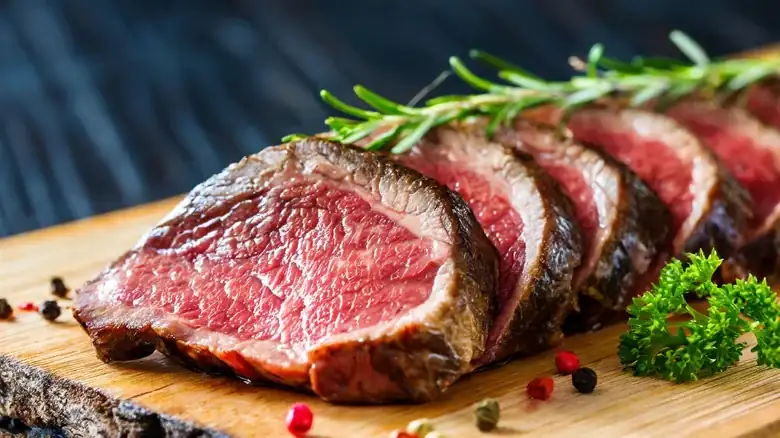
Why does grass-fed beef taste different?
People often choose grass-fed beef because they consider it a healthier option than grain-fed beef, and many like the idea that it's less cruel to let cattle graze freely outdoors.
People often choose grass-fed beef because they consider it a healthier option than grain-fed beef, and many like the idea that it's less cruel to let cattle graze freely outdoors. Indeed, this beef has less fat and fewer calories than conventional beef and contains a wider variety of beneficial fatty acids, including omega-3s. But it only takes a couple of tries to realize that grass-fed beef has a different taste and texture.
Conventional cattle feed on their mother's milk after birth and then graze for a few months. At 10 months, they are moved to feedlots for rapid growth for three to six months before slaughter, where they are fed grains, usually corn and soybeans. This fattening process produces marbling in the meat, which gives it flavor, richness, juiciness, and tenderness. The United States Department of Agriculture classifies beef as prime, the highest grade, based on this marbling. Corn-fed beef also has a slight sweetness due to the grain.
Grass-fed cattle spend their entire lives grazing on pastures. Because they haven't been fattened with grain and have the space to move and exercise their muscles, unlike feedlot cattle, their meat has a slightly richer, earthier flavor, with a more gamey, almost wild note, and lacks the sweetness of corn. The meat is leaner and less marbling, although some believe the fat present adds flavor. However, because grass-fed beef is generally less fatty, it can be less juicy and succulent, with a tougher, firmer texture.
How to cook grass-fed beef
Because grass-fed beef is different from regular beef, it can't be prepared in exactly the same way. It cooks about 30% faster, as it has less fat and can dry out easily, so steaks are best cooked rare or medium. Remove it from the heat 10 degrees earlier, as it will continue to cook a little longer, and then let it rest for a few minutes to lock in its juices, the most important step for a perfect steak, according to Anthony Bourdain.
First, sear the meat on the grill, then lower the heat to keep it juicy and flavorful. You can add moisture, richness, and flavor to lean meat by brushing it with olive oil or butter before cooking, or basting it with butter while it cooks. You can also add flavored butter, such as garlic and herb butter, once it's cooked. To moisten ground meat, you can add grated vegetables like onion, mushrooms, bell peppers, or celery, or a dollop of mayonnaise.
Beef, being tougher, benefits from tenderization, which can be achieved by marinating it. The acid in marinades, such as wine (here's how to make a quick marinade with leftover wine) or vinegar, softens the meat. The seasonings in the liquid mixture add more flavor, and garlic, scallions, rosemary, paprika, chili powder, Worcestershire sauce, and hot sauce are just a few that pair well with beef. Another option is to pound the meat with a meat mallet; first, rub it with a spice rub.