Why Pinsa is becoming the premium pizza choice
Pinsa pizzas are available in chilled, ambient and frozen for retail and foodservice.
As UK operators look for new ways to upgrade pizza menus, Di Marco is putting authentic Pinsa firmly on the foodservice agenda. Pinsa is more than an alternative pizza format, with its Roman heritage, characteristic oval shape and distinctive texture, crisp on the outside and soft, light and airy inside, it has a clear identity of its own.
The identity comes with considerable creative freedom for chefs. Pinsa can be interpreted through a restaurants own cuisine and style moving easily from a simple Margherita or classic salami to more adventurous, technical dishes and even sweet toppings. For operators, that makes it a flexible base for everything from an accessible menu staple to a premium signature dish.
The third-generation Italian family business is the original creator of Pinsa, invented by master baker Corrado Di Marco in 2001. More than 25 years later, the company continues to produce its Pinsa using the recipe and methods that established the category, combining a proprietary blend of wheat, soy and rice flours with its closely guarded mother dough.
What sets Di Marco’s Pinsa apart is its distinctive preparation. High hydration and the long leavening help create a crisp, golden exterior and a light, airy interior, while its characteristic oval shape gives it immediate visual distinction from conventional pizza.
Di Marco will showcase that potential at The Italian Food Show on 29 September 2026 at London’s Royal Horticultural Halls, where its Classic Pinsa Romana and Multigrain Pinsa Romana will take centre stage.
The brand will be joined by Michelin-starred chef Martina Caruso, head chef of Signum restaurant, who has created a selection of exclusive Pinsa recipes for the event. These include an Aeolian-inspired combination of tomato, aubergine, almonds, baked ricotta, anchovies and capers; a sophisticated pairing of black truffle, chicken broth, prawns and preserved lemon; and a plant-forward recipe with hummus, confit cherry tomatoes and caper leaves.
Together, the dishes demonstrate the breadth of Di Marco’s Pinsa, from authentic Mediterranean flavours to more elevated, contemporary menu applications.
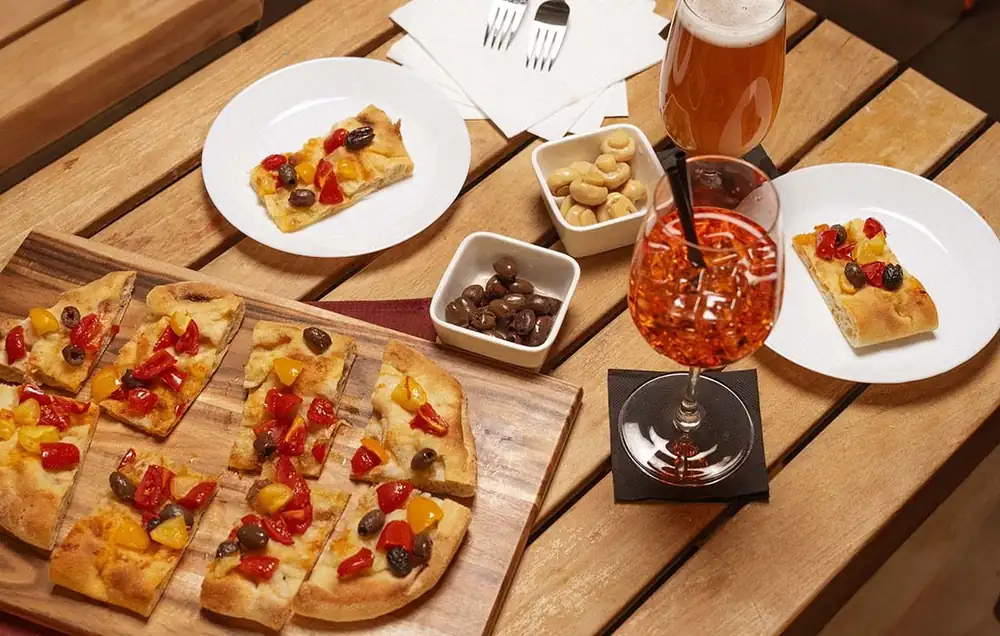
For operators, that combination of authenticity, texture and presentation offers a clear opportunity to create a more premium menu occasion. Di Marco’s Pinsa can work across lunch, dinner and aperitivo, while its format is well suited to sharing and can flex between savoury and sweet, simple and sophisticated.
That versatility is one reason Pinsa is gaining momentum beyond its Roman roots. Di Marco now exports to more than 60 countries across Europe, Asia, the USA and Australia. The UK is among the markets embracing the format, with Di Marco highlighting growing demand for the category.
For busy kitchens, that creative flexibility does not have to mean added complexity. Di Marco offers its Pinsa bases in chilled, ambient and frozen formats for foodservice, helping operators introduce the speciality while maintaining flexibility around toppings and menu positioning.
As operators continue to focus on quality, differentiation and provenance, Di Marco believes authentic Pinsa offers a compelling way to make the pizza occasion feel premium. With a distinctive texture, versatile format and more than two decades of Roman baking heritage behind it, Di Marco is bringing the category it created to a growing international foodservice audience.