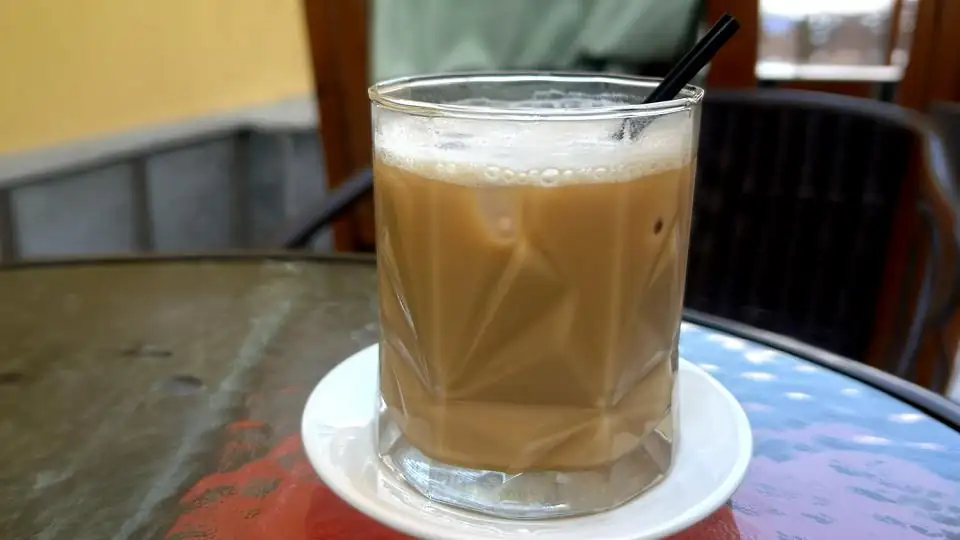
How tea and coffee block iron absorption in the body
Drinking strong tea or coffee with meals can significantly alter the body's chemical balance by blocking the absorption of non-heme iron. While this might seem inconsequential for most, it is a critical factor for people with hereditary hemochromatosis, a condition where the body absorbs too much iron.
Unlike iron deficiency, which causes obvious weakness, iron overload accumulates silently. The human body lacks a mechanism to actively excrete excess metal, aside from natural blood loss. In hereditary hemochromatosis-common among those of Northern European descent-the intestines absorb excessive iron from food. Over time, this metal deposits in the liver, pancreas, and heart, potentially leading to cirrhosis, diabetes, and heart failure.
Therapist Anna Kuznetsova notes that tissue iron accumulation causes cell damage through oxidative stress. She emphasizes that for hereditary forms, diet is only a supportive tool and does not replace regular phlebotomy (blood removal) required to protect internal organ function and cognitive health.
Secondary overload can also occur in patients with a history of iron-deficiency anemia or blood disorders like thalassemia, where iron enters the bloodstream directly through frequent blood transfusions rather than through the digestive tract.
Polyphenols-plant antioxidants found in tea and coffee-act as barriers to iron absorption. They bind with non-heme (plant-based) iron in the gut, creating insoluble complexes. Research indicates that drinking black tea during a meal can reduce iron absorption by nearly a third. Similar effects are observed with grape juice and cocoa extracts, which can drop absorption by up to 40%.
Nutritionist Aleksey Dorofeev explains that this blocking effect only occurs if the drinks are consumed during the meal. Drinking tea or coffee an hour after eating minimizes this impact, making timing a practical tool for those needing to limit iron intake.
Heme iron, found in animal products, is absorbed more efficiently than plant iron, and polyphenols are less effective at blocking it. Consequently, those with hemochromatosis are advised to limit red meat and organ meats, particularly liver. However, a total shift to vegetarianism is not required, as maintaining protein balance is essential.
Raw seafood poses a different, more acute risk. Oysters and other mollusks can carry Vibrio bacteria. While a healthy person might experience mild poisoning, these bacteria multiply rapidly in an iron-rich environment, significantly increasing the risk of lethal sepsis.
Ascorbic acid strongly stimulates iron absorption. For people with iron overload, high doses of Vitamin C supplements can be dangerous, as they increase chemically active forms of iron that can damage tissues. This risk primarily concerns supplements; moderate consumption of fruits and vegetables is generally safe due to lower concentrations of the active substance.
Clinical pharmacologist Aleksey Ryabtsev warns that multivitamins should only be taken after a blood test when iron overload is a concern. He also cautions that fortified store-bought products may contain hidden microelements that contribute to the problem.
Can diet alone treat iron overload?
No. Diet is supplementary. The primary treatments are phlebotomy or chelation therapy (medications that bind metal).
Does green tea work like black tea?
Yes, green tea is also rich in polyphenols that hinder the absorption of non-heme iron.
Why are raw oysters dangerous in this context?
It is not the iron itself, but the Vibrio bacteria, which thrive and multiply much faster in an iron-rich biological environment, leading to severe blood infections.
Should fruits be avoided because of Vitamin C?
Generally, no. The danger lies in concentrated supplements. Fruits provide necessary fiber and antioxidants for digestion.