Today’s senior living residents want variety, choice, and control when it comes to dining
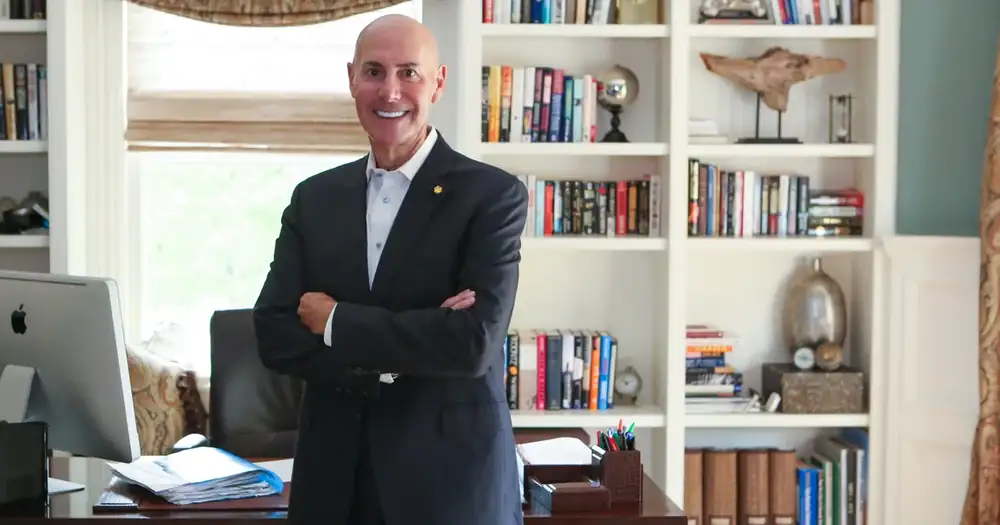
Senior living residents increasingly demand variety, choice, and multi-concept dining options. Restaura Founder Richard Schenkel explains how the industry must adapt going forward.
“If you're a top service attendant and there's no gratuities, and you earn ‘X’ dollars per hour. It's not as motivating as going to work at a restaurant where their income is driven by how great you serve,”
The residents entering senior living communities today are not like the residents of yesterday, and senior living dining programs are racing to keep up with meeting their needs.
“All of it is kind of so changing so quickly, and part of that is really due to the change in the type of resident that's entering into a senior living,” says Richard Schenkel, Founder of Restaura, a senior living foodservice provider.
Today’s residents are looking for far more variety than their predecessors. They're also taking a community’s dining program into heavier consideration when making their decision on where they want to live.
“They want freedom of choice. They want change. They want variety. They want to be in control of what they eat and how they eat it and at what time,” says Schenkel.
The transition currently happening in the senior living segment is similar to the one that is happening at colleges and universities where students no longer accept one dining hall that has a single serving line. Similarly, today’s residents want access to a variety of concepts within their community, such as a bistro and a steakhouse, that have different menus and serve different dayparts.
“Having 400 residents that eat in one dining room and there's three sittings, it's just not what that consumer wants anymore,” says Schenkel.
Adapting to these changes can be tough for those who have been in the industry for decades. Transitioning from self-serve buffets to a multi-concept operation requires time, money, and effort.
For its part, Restaura has continued to double down on operating multi concept programs that serve scratch-made offerings to meet residents' modern needs.
“We've just built out menuing and programming that fits more of that need with different points of service and venues,” says Schenkel.
Current staffing issues also pose a challenge to adapting to modern resident diners. Retaining top talent is important no matter what style of service a community’s dining program offers, but it becomes even more critical when a community is operating multiple sit-down concepts.
Employees often choose working at a restaurant over a senior living community due to the difference in gratuities, says Schenkel.
“If you're a top service attendant and there's no gratuities, and you earn ‘X’ dollars per hour. It's not as motivating as going to work at a restaurant where their income is driven by how great you serve,” he says.
Restaura’s parent company Phoenix3 Collective is trying to solve for this through offering employees an ownership stake in the company.
“Throughout Phoenix3 Collective, every company has approximately 35% allocated at no cost to all of our employees/owners, and if the company performs well, they partake in that appreciation,” says Schenkel.
It’s still too early to see if the ownerships stake makes a measurable difference in employee recruitment and retention, but Schenkel hopes to have data that will answer that question in the next year or two.
Residents’ expectations for modernized dining programs are only going to intensify as we head into 2027 and beyond, says Schenkel. Senior living communities are going to have to learn how to adapt or face the possibility of no longer operating.
“I think the big challenge is going to be for the legacy operators who can't get out of their own way or don't want to invest capital,” says Schenkel.