Cider’s momentum shows no sign of slowing
If there was ever a reminder that Scotland embraces cider season enthusiastically, the recent spell of spring sunshine provided it.
“Last year, we became the only independent British producer to enter the UK’s Top 10 Beer and Lager brands, reflecting both the continued strength of the category and growing consumer demand for trusted, authentic brands.”
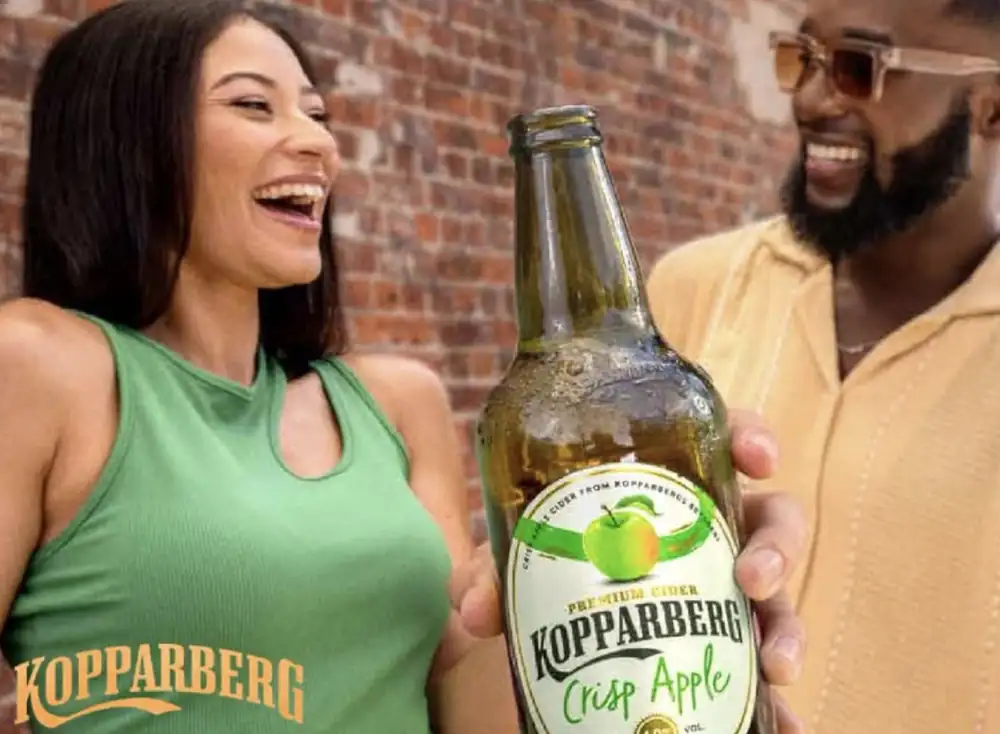
The timing could hardly have been better for Kopparberg’s Bring Me Sunshine campaign, which launched just as consumers were making the most of the conditions and rediscovering local outdoor social occasions. Yet while sunshine undoubtedly helps, the UK’s cider category is proving that its appeal extends well beyond a few warm weekends.
Industry figures show cider is now worth £2 billion annually to UK pubs and bars, making it the second-fastest growing drinks category in the on-trade, according to NIQ data cited in HEINEKEN UK’s Cider Report 2026.
The average pub sells around 96 pints and 25 bottles of cider every week, while category sales have grown by 3.5% year-on-year. For Scottish publicans, those figures represent a clear commercial opportunity.
Growth is being driven by a combination of premiumisation, flavour innovation, moderation trends and a stronger consumer appetite for brands with authenticity and a clear story. Few brands illustrate that shift more clearly than Thatchers. The family-owned Somerset cidermaker has spent more than 120 years building a reputation for consistency, quality and orchard-led production, and continues to gain strong traction across the Scottish ontrade.
“It’s an exciting time for cider,” says Joanna Austin, Commercial Director at Thatchers Cider. “Last year, we became the only independent British producer to enter the UK’s Top 10 Beer and Lager brands, reflecting both the continued strength of the category and growing consumer demand for trusted, authentic brands.”
That demand is echoed by consumer research showing that nearly six in ten drinkers consider cider when choosing an alcoholic beverage, while 59% say they would prefer cider from a British producer. Heritage and provenance remain powerful drivers of choice, particularly in a market where drinkers are increasingly selective about what they buy at the bar.
“Customers trust our heritage and recognise the quality in the cider they receive,” explains Austin. “People are looking for brands with authenticity and provenance, and that’s continuing to drive growth across the category.”
That trend is clearly visible in Scotland. Thatchers Gold is currently the fastestgrowing brand among Scotland’s top 15 cider brands, with growth of more than 91%. Alongside core favourites such as Gold and Haze, the company continues to invest in range expansion to broaden appeal and increase occasions of use.
Fruit cider remains one of the strongest growth drivers within the category. Thatchers Fusion offers operators three flavours from a single dispense system, combining Blood Orange, Cloudy Lemon and Blackcurrant to create visible variety at the bar while simplifying serve.
Meanwhile, Juicy Apple continues to resonate with younger adult drinkers looking for a crisp, refreshing option aligned with environmental credentials. “Consumers are looking for brands that resonate with their values on the environment and social responsibility as well as changing taste preferences for sweeter ciders,” says Austin.
As well as flavour innovation, moderation is reshaping the category. Industry data shows 58% of consumers have reduced their alcohol consumption over the past year, while more than half would consider trying low or no alcohol cider. Thatchers Zero has capitalised on that change and is currently Scotland’s leading noand-low apple cider, growing 87.1% over the past 12 months.
Building on that momentum, the brand has also extended its Blood Orange innovation into the 0.0% segment, offering a familiar flavour profile without alcohol and giving operators a credible alternative for moderation-led occasions.
While Thatchers continues to invest heavily in brand-building through sport, music and major outdoor campaigns, Kopparberg is taking a complementary approach focused on occasion-led consumption.
New research commissioned by the brand ound that 70% of UK adults believe summer is something they can create wherever they are, while 68% say their best summer memories have happened either in the UK or are split between domestic and overseas experiences.
Consumers are approaching leisure time differently. Rather than relying on travel or perfect weather, many are placing greater emphasis on local experiences, social connection and spontaneous plans, particularly during periods of economic pressure and fluctuating travel costs.
When asked what makes Britain feel most summery, respondents highlighted days out, barbecues, parks and outdoor spaces, evening drinks with friends and pub gardens as key triggers for seasonal feeling.
For Scottish operators, this reinforces what many already experience during warmer spells: when conditions are favourable, consumers are eager to socialise outdoors and make use of local hospitality venues.
Rob Salvesen, Head of Marketing at Kopparberg, said, “Summer has often been sold as something that happens somewhere else – on a perfect beach, under a perfect blue sky, in a perfect moment. But that is not how people really experience it. “The moments that make summer feel like summer are often much closer to home. A BBQ with friends. A pub garden after work. A day out. A festival. A spontaneous plan that turns into a great memory.
“Bring Me Sunshine is about celebrating the energy people bring to summer, not just the forecast or the destination. Kopparberg has always stood for colour, flavour, refreshment and easy-going confidence, and this campaign brings that feeling to life in a bigger way.”
HEINEKEN UK’s Cider Report 2026 highlights that cider now generates around £443 in weekly sales for the average UK pub and continues to grow in both volume and value terms. The report also shows that serves per occasion have increased by 19% to an average of 3.2 drinks, bringing cider broadly in line with beer in terms of session strength. More than 40% of cider occasions now take place alongside food, signalling a clear shift towards meal-led consumption and away from purely seasonal drinking.
This evolution is particularly important for the Scottish ontrade. As food-led occasions continue to grow, cider is increasingly positioned not just as a summer refreshment, but as a versatile pairing for pub menus ranging from burgers and grills to fish and chips and sharing platters.
For operators, the takeaway is straightforward. The cider category is no longer defined purely by weather. It is shaped by flavour choice, brand strength, moderation demand and the ability to link into food and social occasions year-round. Stocking a balanced range across premium apple cider, fruit variants and no-and-low options ensures pubs can meet evolving consumer expectations while maximising sales across multiple occasions.
After all, when the sun does shine in Scotland, cider remains one of the first categories consumers turn to- and increasingly, one of the most reliable performers behind the bar.