I asked chefs how to make the best gravy — they all suggested same ingredient
Gravy is the great unifier of the British roast dinner — the silky bridge between crisp potatoes, tender meat and a pile of greens. Top chefs say one key ingredient makes all the difference
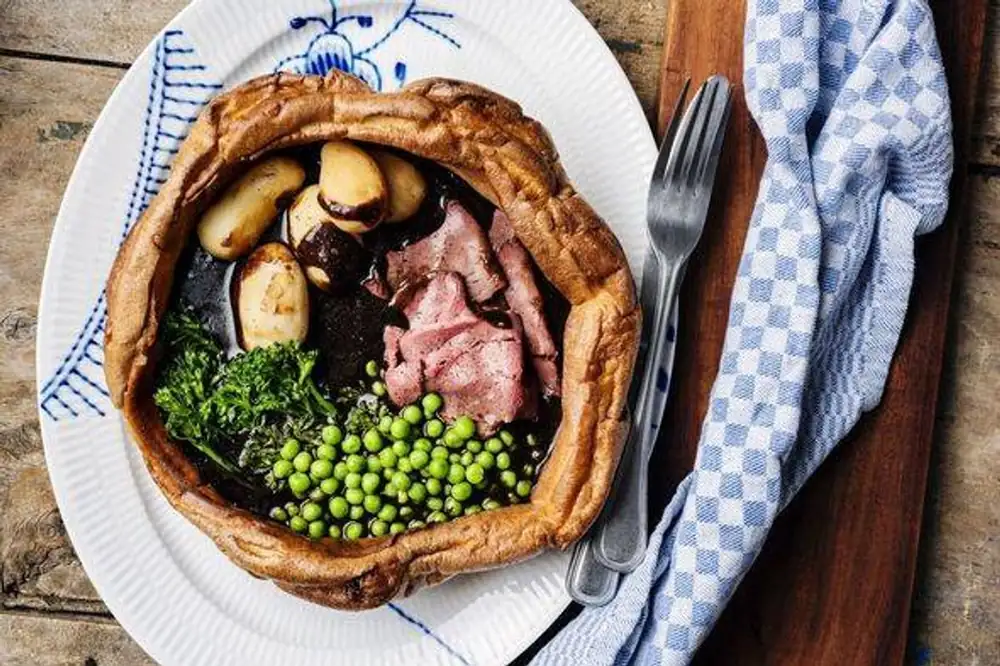
“There are other ways to get the same result. Mark Hearthstone, chef-proprietor of La Fosse at Cranborne, uses”
Gravy is the great equaliser of the British roast dinner, tying together crispy potatoes, meat and vegetables. When it works, it pulls the whole plate together.
When it's too thin, clumpy or bland, a Sunday meal can feel incomplete. The good news is that you don't need professional equipment to get it right.
A few simple ingredients and a solid technique are all it takes to turn a pan of drippings into something worth pouring over everything. After speaking to chefs across the country, the advice was consistent: avoid shop-bought granules and start with real ingredients.
Michelin-starred chef Mark Poynton points to pan and roasting juices as the essential base, saying that "good stock and roasting juices always make gravy delicious". Sean Blood, head chef at ROAM, stresses the importance of patience: "You can't cheat flavour.
Gravy needs to be slowly reduced," giving time and collagen a chance to build "depth, richness, and complexity" along with a natural glossy consistency. Start with a hot roasting tin, scrape up every caramelised bit and let the base thicken before adding the ingredient that chefs say makes the biggest difference. Most agreed that this comes down to umami, which can come from a number of sources.
Chef Jack Stein recommends a storecupboard mix: "a dash of soy sauce and Marmite, cider vinegar and mirin" to add depth to a traditional gravy. He said it works well with any Sunday roast and is "perfect on sausages and mash." There are other ways to get the same result.
Mark Hearthstone, chef-proprietor of La Fosse at Cranborne, uses "dried fungi," which add an earthy richness to game, beef and mushroom gravies. Umami is a savoury taste that comes from glutamates such as monosodium glutamate (MSG), which occur naturally in mushrooms.
If you don't have dried mushrooms, something else in your cupboard might do the job. Matt Fletcher of Great Central Pub says Worcestershire sauce "is a must... it really opens the flavours and adds a full-bodied punch of flavour," with just a small splash enough to add tang and richness.
It is worth noting that Worcestershire sauce is classified as an ultra-processed food because of ingredients such as high-fructose corn syrup, which some may prefer to avoid. Once the gravy has a good savoury base, a little acidity can help balance it out.
Some chefs suggest a splash of balsamic vinegar, apple cider or white wine, though these should be used sparingly. The finishing touch, according to Dean Harper of Harper Fine Dining, is simple: "a knob of butter" whisked in at the end for "a silky smooth texture and delicious buttery taste."
Butter adds a glossy finish and rounds out the flavour without losing the savoury base, but too much will make the gravy greasy. A small knob is all that is needed.
- Who: Gravy · Mark Poynton · Sean Blood