Soparnik Recipe: Here Is How To Make Poljički Soparnik
Soparnik is a traditional pie-like dish from southern Dalmatia – specifically from the Poljica area between Split and Omiš.
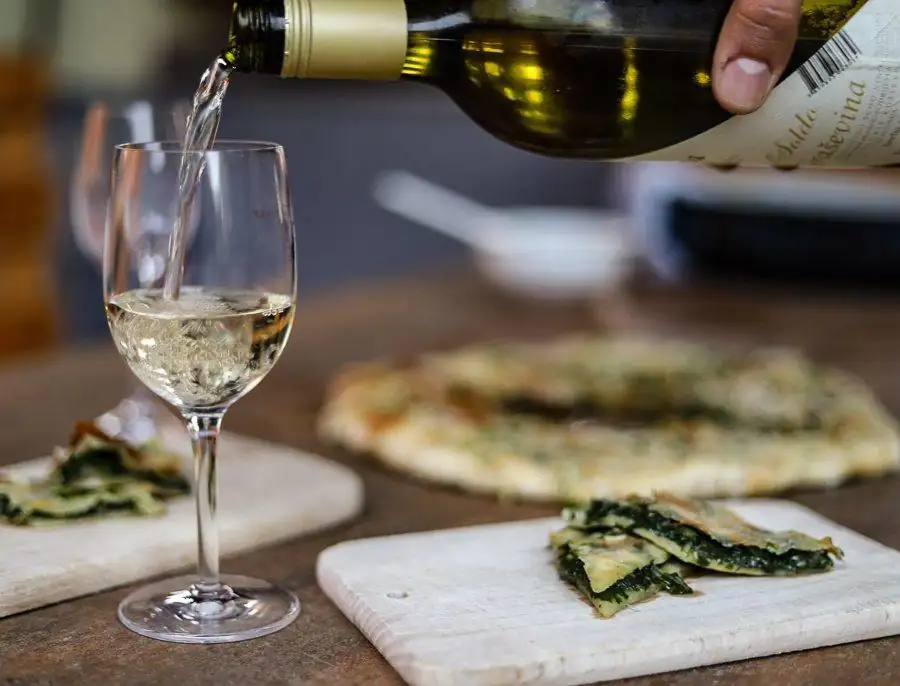
- 500 g all-purpose flour (3 1/2 cups)
- 1/2 tsp. salt
- 4 Tbls. olive oil
- 250 ml water (1 1/4 cup)
- 1 bunch parsley leaves
- 1 kg chard (2.2 lbs)
- 1 bunch spring onions
- Salt
- 3-4 garlic cloves
- Olive oil
- Fresh parsley leaves
- Make a basic dough using the water, flour and olive oil. It should be slightly hard to the touch but, be that's the right way for it to be
- Cut the dough into the two equal-size pieces and roll it out into a round shape
- Wash the chard and remove and discard the hard stems. Cut the chard into strips and mix with the chopped parsley leaves and some green onions. Add a pinch of salt (to taste) and drizzle it with olive oil
- Dust a baking tray with flour and lay one piece of dough on it. Cover the dough with the chard mixture
- Cover with the second piece of dough and pinch both dough edges to form a seal, and then twist the ends to close
- Bake the soparnik in a pre-heated oven for 20 minutes at 200 degrees Celsius
- Cut the soparnik into rhombus shape pieces and drizzle it with the topping mixture
- The Poljički soparnik is best served warm with a glass of fine Croatian wine
In Dalmatia, Soparnik (also known as zeljanik or uljenjak) is made in an extraordinary way, on an open fire – on something called a “komin” which is covered with hot coals from dried grape vines. This is something very interesting to see so when you are traveling in Croatia I really recommend you try to see it in person.
Never fear though, just because historically, soparnik was baked in the special komin oven, you do not need that now – you can easily use a regular oven. There are certain foods that once you bake them or cook them, they don’t stick around in the kitchen for very long – soparnik is one of them!
This is a traditional Croatian pie, but it also has a very fascinating history too. Soparnik has been declared to be an intangible cultural heritage of Croatia, by the Croatian Ministry of culture. Fun Fact: Poljički soparnik is was also awarded a protected status at an EU level.
Other Croatian foods that are protected by the EU are, mandarins from Neretva, extra virgin olive oil from Cres, pršut from Krk, Drniš, Krk & Istria, Kulen from Slavonia and potatoes from Lika.