My Lunches with Judith Jones, the Queen of Cookbooks
Lessons learned at the kitchen counter with the editor of Julia Child, Edna Lewis, M. It is April of 2013, and I am in the kitchen with Judith Jones. Judith tells me she is making sauce gribiche; we could have it with some roast beef leftover from earlier in the week, served cold with the day-old bread, sliced and toas…
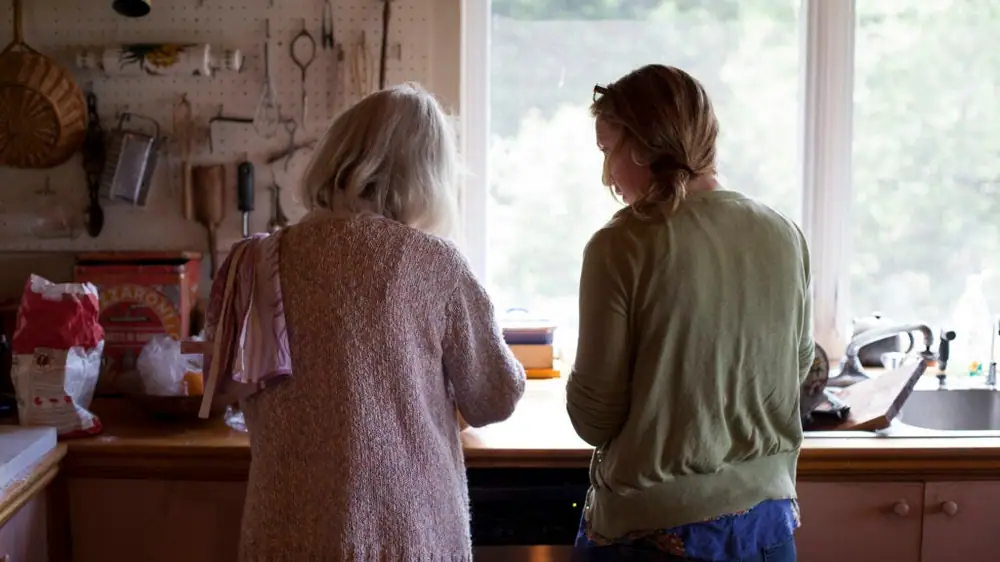
Judith, who is 88 years old to my 26, moves with the ease of a practiced cook. Then, at 85 years old, Judith published her first cookbook that was all her own: The Pleasures of Cooking for One .
She is among the most influential literary editors of the 20th century, and she is widely considered the most influential cookbook editor to date. Judith and I have met only once before, on a frigid day in January 2013 when I was sent to her apartment on Manhattan’s Upper East Side on a sort of professional blind date.
My involvement in the project was borne of a moment of kismet; in my first semester of a doctoral program in food studies in New York, I happened to be at my professor’s elbow when she received an email from the foundation, asking if she could assist them in getting the collection of Judith’s oral histories off the ground. It was in Gourmet that I first learned about many of Judith Jones’s iconic authors, though at the time I didn’t know who Judith was or that she’d worked with them.
By the time I met Judith, she’d become something of a hero to me; she had been ever since I discovered her 2007 memoir, The Tenth Muse: My Life in Food , in a bookstore near my college campus and realized that she’d edited all the cookbooks I admired most. When I arrive there at the appointed time, she ushers me into her kitchen—which is as compact, tidy. Pragmatic as she is—and resumes her post at the counter, humming along to the classical music playing in the next room.
We talk about her early childhood in 1920s and ’30s Manhattan; her mother’s rigid, insecure clinging to status and Judith’s early aversion to that sort of social climbing. She tells me of her first experience in publishing during a winter break from Bennington College; how, at age 17, she was thrown into editing manuscripts at Doubleday without instruction and learned to do the work guided by her gut.
She tells me of how dull she found the New York literary scene after the war, how she took off with a friend on a three-week European tour in the summer of ’48 and ended up staying in Paris for three years, meeting and marrying her husband there, an American journalist and a great lover of food. She tells me how dismal the US food scene of the early 1950s seemed after the vividness of that in France; how this is what made her jump when she received the manuscript that would become Mastering the Art of French Cooking at Knopf in 1959. Judith talks about how hard it was to manage her marriage, child-rearing, and a relentlessly demanding career all at once; she had, Judith tells me, no model for that then.) I pepper her with questions about her work in cookbooks, trying to get at what exactly she was trying to accomplish in that form.
I arrived midmorning, but Judith asked if she might have more time alone—she is working on the book that will be her last, Love Me, Feed Me —before we convene. When we round the corner toward its glassy entrance and Judith realizes where it is I’m taking her, she seems relieved; she tells me she feels it’s one of the only really good restaurants left in New York. When she has finished most of the chowder, she brings the bowl to her lips and tips it back to get the last creamy drops.
When Meri brings in an elaborate chocolate dessert, a celebration cake her son shipped to her from the nation of Georgia—where Meri was born and where her son still lives—Judith lights up. “I’m trying to get Meri to write a cookbook!” she tells me. “It’s true,” Meri states, serving Judith a slice. Bronwyn, her stepdaughter, informed me there would be a public memorial in the city come fall, but she has invited me to a service for friends. Family only at the small, clapboard church Judith attended in Vermont. She tells me there is an awful lot of material in the apartment, and she asks if I’d like to have a look, help her decide what to do with it all.
- Who: Judith · New York