Food, Bali’s Cultural Ambassador
A local cuisine can tell you a lot about a region, so inextricably connected with the environment, history and culture of a given destination.
“This represents the cycle of time: birth, life and death; past, present and future.”
That is certainly true here in Bali, where food and drink transcend what’s served on the table: dishes are tied to ritual. Customs, components are sourced from local farming communities, and even traditional beverages have a story to tell. Of course, the island’s restaurant scene has become world-class, and from Ubud to Uluwatu, the options for dining are abundant – be it a healthy café or a fine dining experience.
Made is a chef by training, but her passion has always been ‘food forests’, and indeed the traditional engagements that humans once had with the environment as a source of food. Re-engaging with the environment, with this ancestral wisdom in hand, has become a life’s mission for Made, as she rediscovers what the forests of Bali grow and provide, and the traditional recipes tied to these wild components.
The nomadic chef invites guests to forage with her, to explore the food forests in the Tabanan Regency. The lessons continue in the traditional kitchen where Made teaches about traditional Balinese cookery techniques and recipes, and everyone learns to cook with the foraged elements. He points at three different stoves positioned at the centre of his traditional kitchen setup: “This represents the cycle of time: birth, life and death; past, present and future.” Jero Mangku Yudi, as he is now called since accepting his responsibility as a temple priest ( mangku ), threw open its doors his restaurant Dapur Bali Mula on the foothills that surround Les Village, Buleleng, northeast Bali.
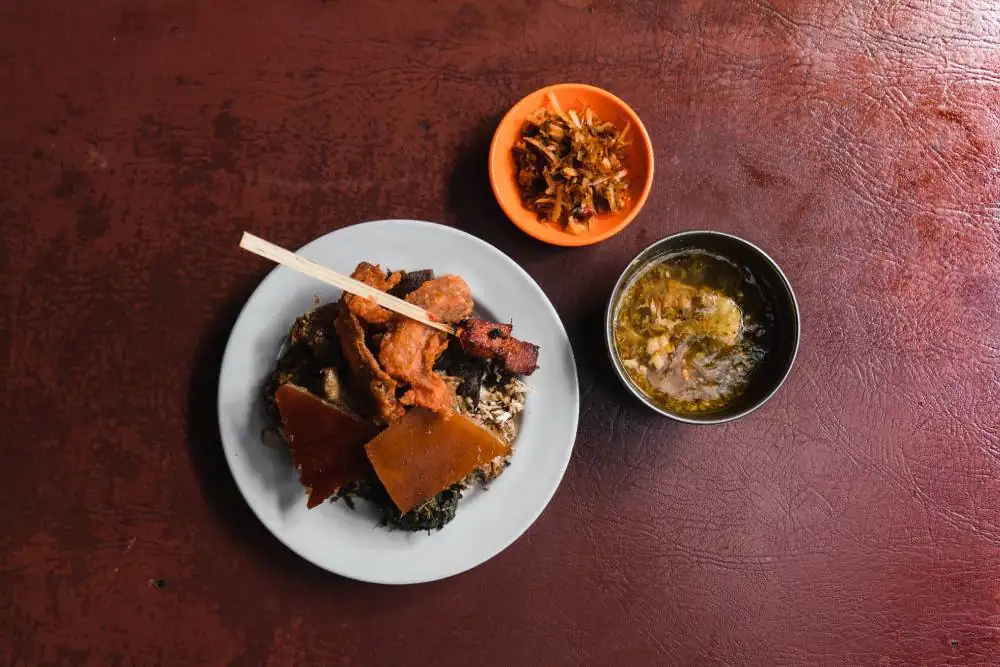
The traditions of the old Balinese kitchen are on show at this one-of-a-kind restaurant, ‘Bali Mula’ being the term for the island’s original inhabitants. But it isn’t simply the setting: the food cooked and served here aims at representing Bali’s broader culinary offerings. “I want people to know that there’s more to Balinese food than just babi guling [suckling pig].
I will always use the produce from Desa Les first, and other parts of Bali.” His dishes. All the produce he makes or uses are a showcase of the island’s incredible bounty, and the traditions used to make them. For those looking to explore this side of Bali’s food culture, The Denpasar Street Food Tour, by Chef Will Meyrick, offers a fun and delicious journey on the streets of Bali’s capital city. Often called the ‘Street Food Chef’, Will Meyrick invites guests on a similar journey here in Bali, through a guided tour of marketplaces and roadside kitchens.
Pak Kadek helps to bridge the significance, history and backstory of dishes and diners, weaving the stories and culture of food into the experience. Over 30 years ago, Hatten Wines pioneered the first-ever Balinese wine, using locally-sourced grapes grown in the unique climate and terroir of the island’s northern coastline. It all began in North Bali, where to this day hectares of vineyards sprawl across the dry lands between the mountains and the sea.
The brand invites guests to explore their vineyards, dotted between the villages of Seririt and Sanggalangit, and to witness firsthand the unique practices of grape growing here in Bali. But this is more than just a vineyard; it is the heart of Hatten’s viticultural research and development, where over decades they have innovated viticultural practices to introduce new grapes to Balinese soil.
Through the Hatten Wines Vineyard tour, guests will see firsthand the different grapes. Grape-growing methods that take place in Bali, and witness the terroir and conditions that give Balinese wine its unique characteristics. Of course, this is paired with a tasting flight of Balinese wines, chosen from a collection of delicate sparkling wines to rosés. A fortified dessert wine. @hattenwines | hattenwines.com Authentic Dining in a Balinese Temple What could be more special than dining with a view of a Balinese temple?
The Café Lotus is one of Ubud’s long-standing institutions, first opening in 1983. This is the Balinese take on ‘dinner and a show’, for visitors looking for a memorable dining experience in Ubud.