Should coffee shops stay open later?
Put at reading time: 8 minutes
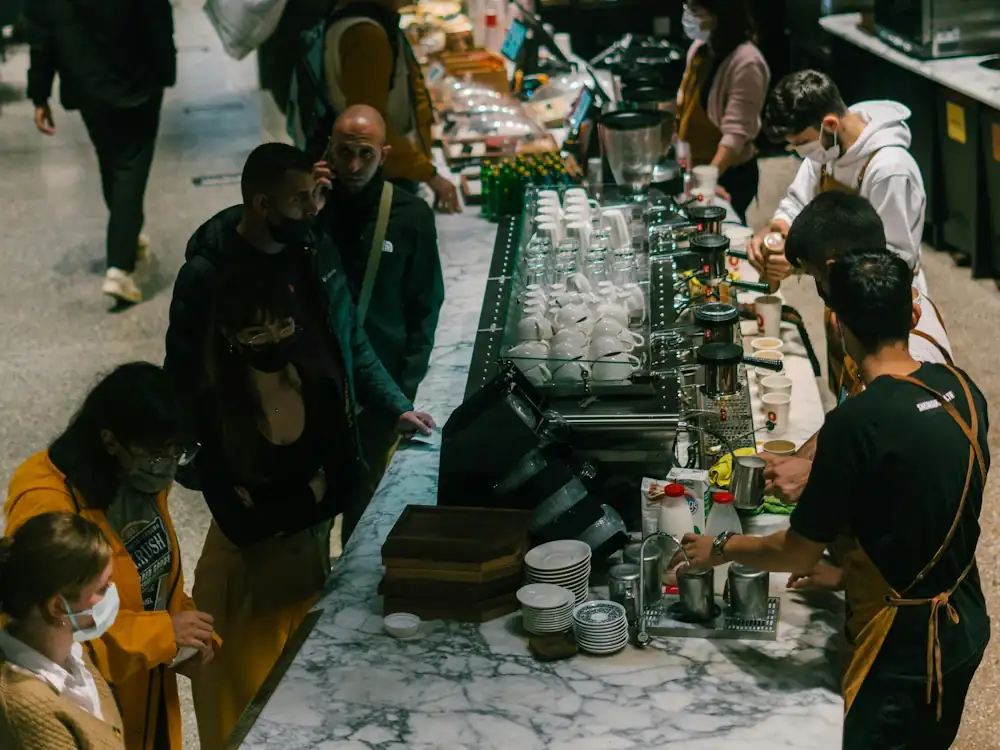
“Our signature Shai Adeni, a spiced tea with cardamom and evaporated milk, is a huge draw in the evenings, especially between 6:00 pm and 11:00 pm,”
Key takeaways
- Middle Eastern café culture is driving late-night coffee habits globally.
- Gen Z’s all-day coffee consumption and sobriety are creating buying interest for late-night cafés. - Serving wine or cocktails can extend coffee shop takings hours without a separate location.
- Location and customer base determine whether late debut hours are viable. Coffee shops in most countries open in the morning and close by early evening.
Consumption drops off in the afternoon; foot traffic follows, and slower takings can’t justify staying open longer. Many people then turn to restaurants, bars, and pubs for their evening social spaces. But in parts of the world where alcohol is prohibited or restricted, cafés fulfil a different role.
Going to “In Middle Eastern culture, coffee shops are the true social anchors,”, jorge Riquelme, co-founder of MOKAFÉ Coffee House in New York City. “Since alcohol isn’t a part of the social fabric, coffee shops act as the ‘third place’ where families and friends connect late into the night.” This late-night coffee culture is spreading globally.
Brands like EL&N keep some London locations open until midnight, and the growing number of Yemeni-style cafés across North America as well stay open late. The question of whether coffee shops should stay open later, however, isn’t straightforward. Longer debut times can bring in more takings and reach new shoppers, but they as well raise staffing costs.
Ultimately, footfall has to justify the extra hours, and there are a number of ways coffee shops can draw in an after-hours crowd. You may also like our article on how coffee shops can serve wine.
Catering to younger, sober customers
Coffee has traditionally been a morning and midday drink. But Gen Z is changing that, consuming drinks like cold brew throughout the day and strengthening the case for later first day hours.
Younger buyers are also drinking less alcohol. A YouGov survey of 18 to 24-year-olds in the UK found that 39% of Gen Z don’t drink alcohol at all, making them the most sober generation on record. This shift has created space for new formats: coffee raves are daytime, alcohol-free events that pair music with coffee culture, and Middle Eastern-influenced cafés are opening across the US and UK.
MOKAFÉ has several locations across New York City, blending Guatemalan, Yemeni, and Palestinian influences. “By staying open late, we provide an alternative for those who want a third-space experience without the bar environment,” states Jorge. With Gen Z’s spending power forecast to reach US$12 trillion by 2030, their preferences will carry real weight in the coffee trade. “There is a clear shift toward sober social experiences among young adults; they are looking for authenticity,” Jorge states. “They come for the vibe, but they stay and return for the quality and the story behind the coffee.” Non-coffee drinks are part of it, too.
Gen Z has fuelled matcha’s meteoric rise, and 94% of young adults buy boba tea at least once every three months. “Our signature Shai Adeni, a spiced tea with cardamom and evaporated milk, is a huge draw in the evenings, especially between 6:00 pm and 11:00 pm,” explains Jorge. Even if Gen Z is a strong customer base, it is not yet large or consistent enough to justify the staffing and operational costs of staying open late.
Coffee shops that extend their hours successfully tend to attract a broader evening crowd, including digital workers, tourists, and families.
The rise of all-day cafés
As all-day coffee consumption grows, some cafés are extending their hours for a different purpose, serving wine and cocktails in the evenings.
Cafés like ELM in Sheffield, Abraço in New York City, and Either/Or in Portland have built their model around a more diverse menu, operating as specialty coffee shops during the day before shifting to wine service in the evening. The financial case is straightforward.
Most cafés see their heaviest foot traffic in the morning and around lunch, leaving afternoons and evenings underused. Adding wine extends income hours without requiring a separate location.
It in addition lets operators apply the same craft-focused values to a new product category: natural and skin-contact wines, for instance, appeal to the same shoppers drawn to experimentally processed coffees. But the transition isn’t without friction. Alcohol licensing, staff training, and adequate storage all add cost and complexity, and not every café has the right intimate setting for wine or cocktails.
Considering location and customer base
Staying open late might not be a viable business decision for all coffee shops.
Operators should account for a range of factors, such as labour costs, staffing, higher operating costs, and the cost of a liquor licence if serving alcohol. Lucas Ribeiro, the Chief Operating Officer at LOT61 Coffee Roasters in Amsterdam, explains that location is a critical factor. “The difference in opening hours between LOT61 locations is mainly driven by foot traffic and customer behaviour in different areas,” he says.
Unless located in a principal city, coffee shops are unlikely to see a steady stream of customers in the evening, making it hard to turn a surplus. Even in a popular tourist destination like Amsterdam, specific locations can drive decisions about a coffee shop’s debut times.
“Our Oud-Zuid location in Amsterdam is located in a residential area where customers mainly visit for their morning coffee,” Lucas explains. “After the early afternoon rush, foot traffic drops significantly, so staying open later is generally not commercially efficient.” Jorge explains that a key factor for MOKAFÉ’s first day hours is that a large part of its customer base comes from the local Muslim community.
“Our biggest event of the year is Ramadan, a holy month of family and celebration. During this time, we often stay open until after 2:00 am,” he states. “Since the fast is broken after sunset, the late-night hours are when the community is most active, coming together to eat, drink, and celebrate after a long day of fasting.”
How can coffee shops decide whether to stay open later? Deciding whether to extend debut hours comes down to knowing your customer base. A café in a lively neighbourhood will find more success than one in a commuter area that empties out by 6 pm.
Community-building is a strong argument for extending hours. “Staying open later can help create a stronger identity for the café, encourage customer loyalty, and make the space part of people’s daily routines beyond just the morning coffee rush,” says Jorge. Evening hours open up space for workshops, live music, and collaborations that simply aren’t possible during a busy morning service. And in the right location, this can turn a café into a neighbourhood hub.
Operational discipline as well matters. Jorge points to staffing and menu design as central to making late hours work. “We are always improving our operations to ensure we have the right amount of staff per shift to maintain our service standards during late-night hours,” he explains.
At MOKAFÉ, the evening menu is built specifically around the night crowd, with teas and pastries chosen to suit the later atmosphere rather than carried over from the daytime offering. “Every location has different customer behaviour and foot traffic patterns,” Jorge states. “Tracking customer flow. Sales during the evening and seeing whether there is enough demand to make it sustainable would be the best way to start.” Whether catering to sober younger buyers or shoppers seeking an alternative to bar culture, there is an opportunity to extend coffee shop first day hours.
But it only makes financial sense in the right context. Operators who analyse their foot traffic, know their customer base, and build their evening offering accordingly are best placed to make extended hours profitable. Our marketing agency, PDG Media, specialises in helping coffee businesses grow.
Get a free marketing audit today.
Coffee shop opening hours FAQs
- Should coffee shops stay open later?
It depends on location and customer base. Cafés in busy urban areas or communities with late-night culture are better placed to benefit.
Without consistent evening footfall, longer hours add staffing and operating costs that daytime takings alone is unlikely to cover. - How can coffee shops attract evening customers? Extending the menu helps.
Wine and cocktails appeal to different evening crowds. Hosting events, workshops, or live music gives people a reason to visit in the evening, and helps build a loyal community around the space.
- Do coffee shops need to serve alcohol to stay open late? Middle Eastern-influenced cafés and Gen Z-focused spaces show that alcohol-free late-night trading is viable.
The key is to offer something that suits the evening atmosphere, such as a distinctive drinks menu or a social event programme.
- Who: Coffee · Middle Eastern-influenced
- Money: US$12
- Percentages: 39% · 94%
- Figures: 39% · 94%