Freshness, Skill, Sauce: The Quiet Doctrine of The Chairman
Danny Yip did not set out to build the most admired Cantonese restaurant of his generation. He set out to eat well. Sixteen years later, the two turned out to be the same thing.
There is a sentence on The Chairman's website that reads like a creed: the most pristine ingredients, befitting culinary skill, and appropriate sauces. It is the kind of thing a restaurant writes and forgets. Here it is the whole of the enterprise, and once you have eaten in the room on Wellington Street you understand that each of those three words has been thought about for years.
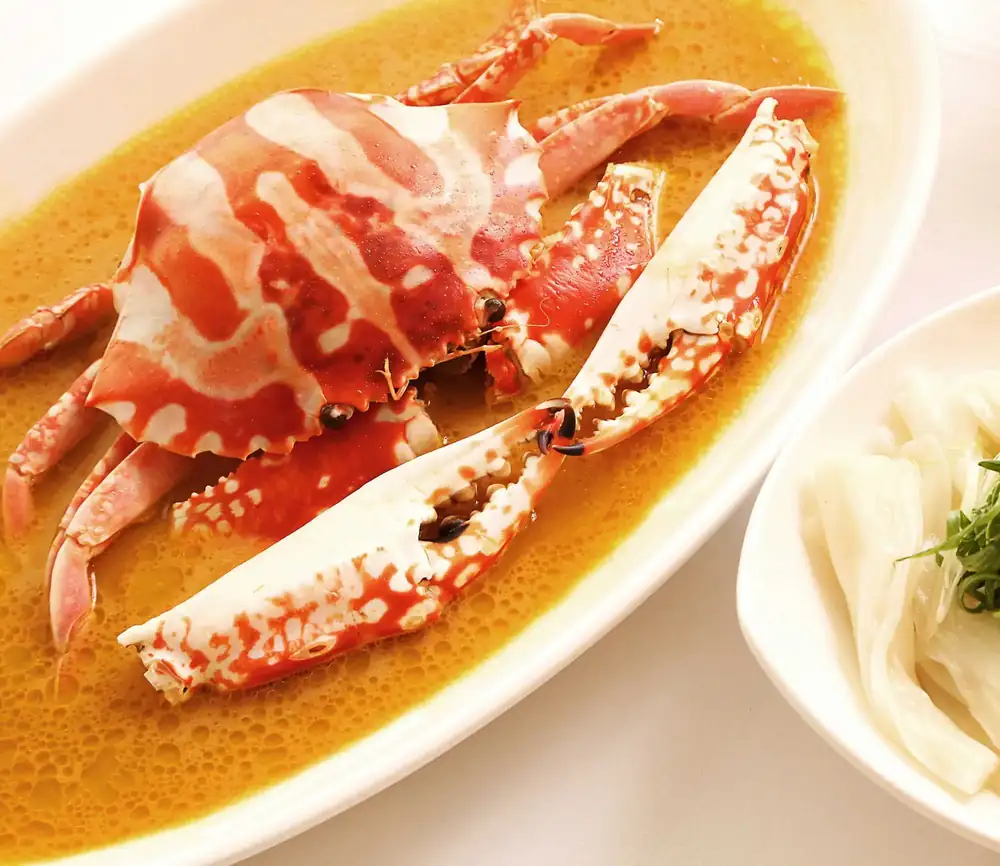
Pristine ingredients meant, first, that the restaurant would not depend on the market. So there is a farm in the New Territories, where the pigs are raised and the vegetables grown and the herbs dried on racks in the sun; there is a fish supplier who is called every morning; there are chickens whose fat, rendered slowly, becomes the golden oil that anoints the famous crab. Danny Yip talks about these things not as marketing but as the only way he could get what he wanted, which was food that tasted like the food of his memory, only clearer.
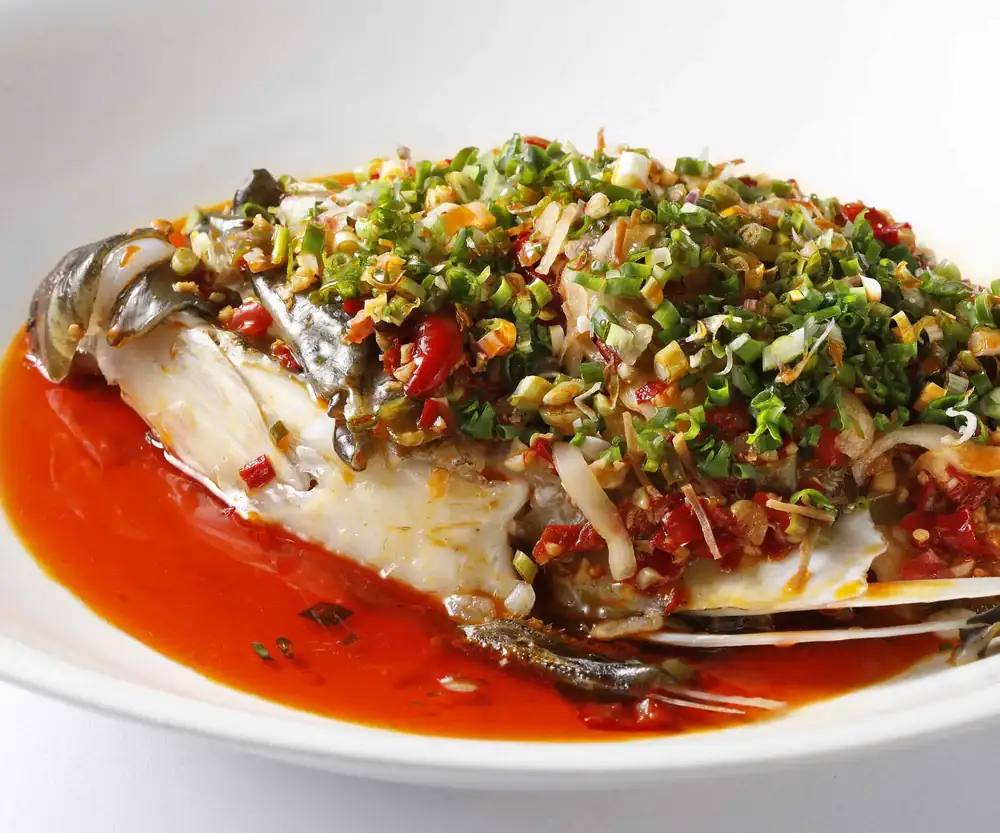
Befitting skill meant a kitchen that respects the wok, the steamer and the clay pot as the instruments they are. Watching the cooks work is watching a tradition that is older than most cuisines expressed at a level of precision most cuisines never reach. A fish is steamed to the second. A vegetable is turned through a flame so hot that it seals before it can weep. A pigeon is smoked over camphor until the skin is the colour of an old violin and the flesh inside is still pink.
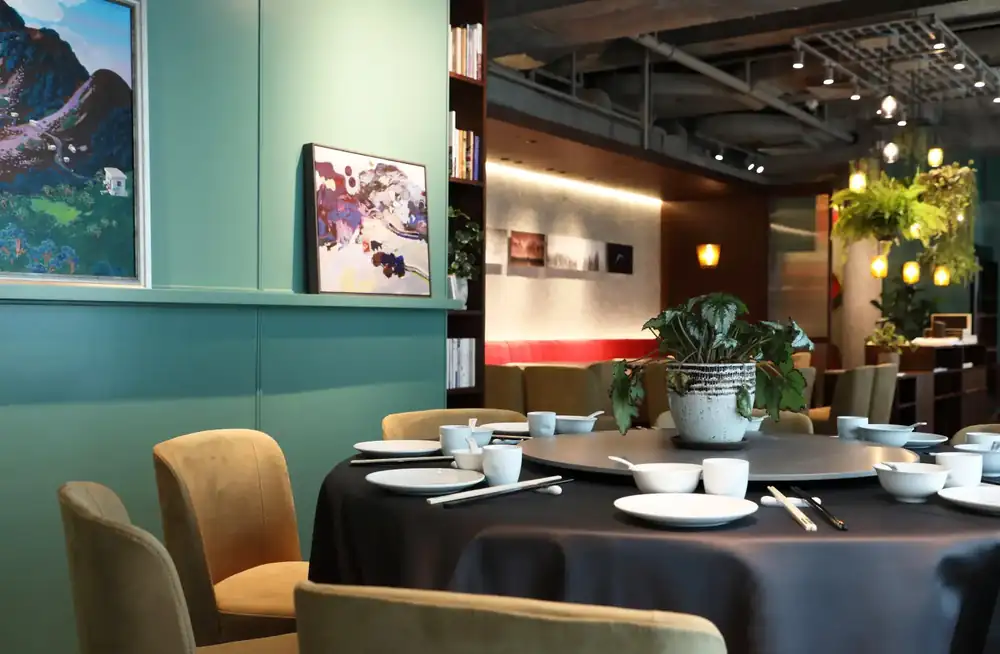
Nothing at The Chairman is in a hurry, and that is a decision. The soy takes months. The Shaoxing takes years. The pork is raised slowly on the farm and the vegetables are picked when they are ready and not before. In a city that runs on speed, Danny Yip has built a restaurant on the opposite principle, and the calm of the room is the calm of a kitchen that does not need to rush because everything it needs has already been prepared, sometimes long ago.
I asked what the restaurant would be if it had to be one dish, and the answer was not the crab but the fish: a whole fish, alive that morning, steamed with ginger and spring onion and dressed with the house soy. It is the plainest thing on the menu and the hardest to do well, because there is nowhere to hide. That the kitchen chose it says everything about what it believes. Freshness, skill, sauce. Nothing else.
Appropriate sauces meant, in the end, making them. The soy is fermented in the restaurant. The shrimp paste, the chilli condiment, the pickles, the preserved vegetables that go into the pork belly: all made by hand, all tasting the way those things taste when nobody has cut a corner. The aged Shaoxing wine that goes over the crab has been kept for years until it has the depth of a fine sherry, and when it meets the steam and the chicken oil it produces a liquor so sweet and savoury that people have written whole essays about the noodles underneath.
Eating here, what you feel most is a lack of anxiety. There is nothing to prove. The dishes arrive with the confidence of things that have been made this way for a long time, and the flavours are round and complete: the sweetness of the crab, the smoke of the bird, the clean grassy bite of the greens, the depth of a soup that has been simmering since morning. It is food that makes you calm. It is, in that sense, the opposite of most restaurants that the world calls great.
When the region's ranking named The Chairman the best restaurant in Asia, the news was received in Hong Kong with something close to a shrug, and I think that was the right response. The people who eat here already knew. What Danny Yip has built is not a monument; it is a place where a very old idea about cooking is kept alive by being practised every day, with a crab, a bird, a vegetable and a sauce. That is all. That is everything.