Dalmatian Heritage and Early Harvest Precision Drive an Award-Winning Brand
Sebastijan Adžić, an olive grower in Pakoštane, explained his work is rooted in the landscape of Dalmatian stone, salt. Sea, where his family home sits on the remains of a Roman Villa Rustica and the ruins of an ancient port lie just offshore.
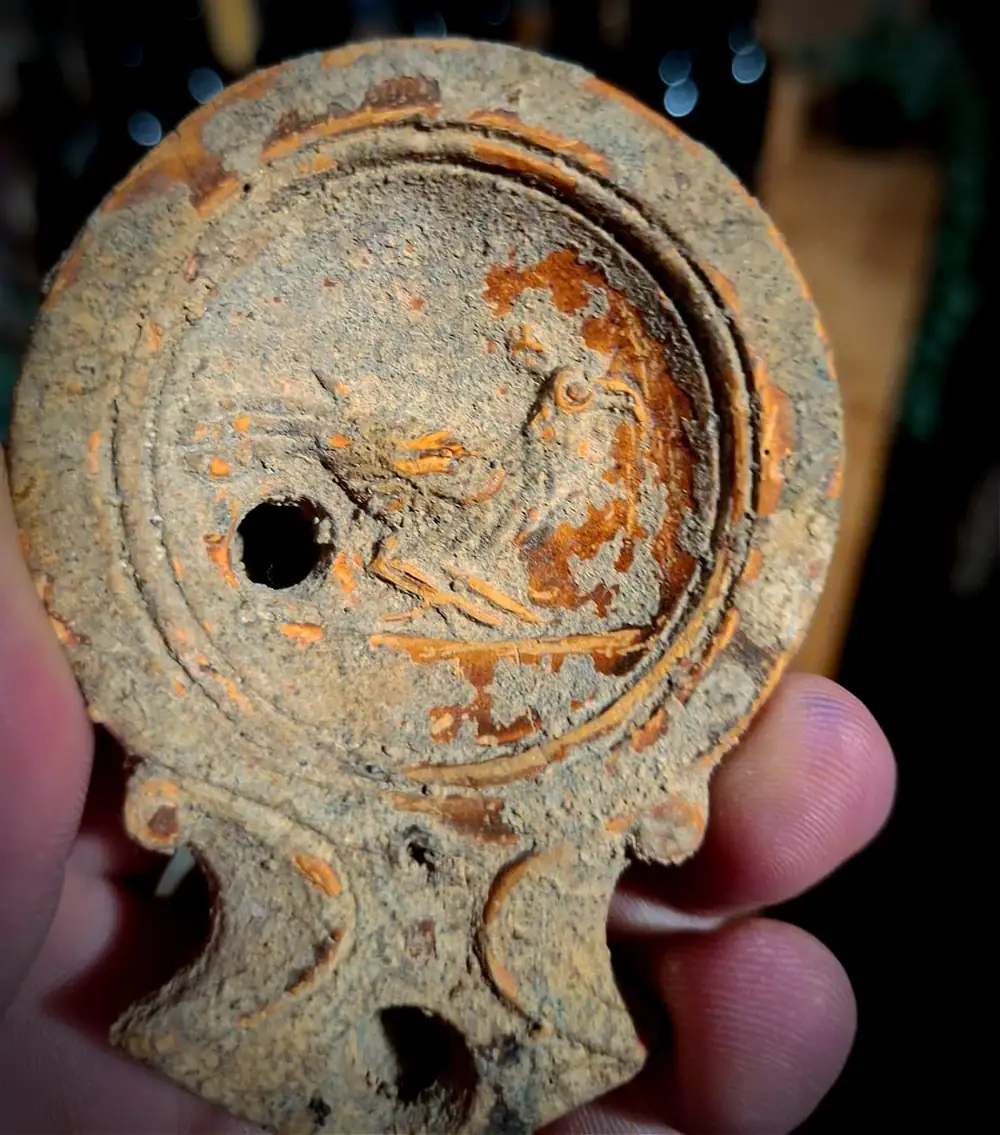
According to Adžić, the area’s long relationship with olive oil still feels tangible. While diving in the Adriatic, he told reporters he has found amphorae and ritual ceramic oil lamps dating back about 2,000 years, discoveries that deepen his sense of responsibility to carry forward a tradition rather than reinvent it. A legacy in light: This 2,000-year-old Roman ritual oil lamp was found on Adžić’s estate, demonstrating that the ‘liquid gold’ of Pakoštane has been cherished since antiquity.
He added that the hinterland around Pakoštane once supported one of the largest olive groves on the eastern Adriatic coast. Today, he describes his groves as a living reminder of that era and part of a broader revival of Croatia’s modern olive trade. Adžić’s NYIOOC award-winning label, Leut , takes its name from the traditional wooden boat used along the coast.
He told reporters the name reflects endurance at sea, mirroring the resilience he associates with olive trees growing on karst limestone. His production focuses on extra virgin olive oil made primarily from local Oblica and Levantinka, blended with cultivars including Frantoio, Coratina and Picholine. Going to Adžić, the approach combines local identity with techniques refined through experience in olive farming .
The family oversees every step of the gathering, hand-picking only the healthiest fruit to preserve the character of its native varieties. Adžić attributed the oils’ character to Pakoštane’s microclimate —strong sunlight, quality soils, fresh spring water and shifting winds between the sea and nearby Lake Vrana.
He stated an early crop and careful hand-picking of healthy fruit are central to the results. To protect freshness, he emphasized minimizing the time between crop and milling, explaining each minute matters for preserving the aromatic profile of Dalmatian herbs and maintaining naturally occurring polyphenols .
Minutes matter: Adžić minimizes the time between gathering and milling to preserve high polyphenols and the fresh scent of Dalmatian herbs. Alongside production, Adžić’s family in addition works in hospitality and uses tastings to connect visitors with the place where the story started. He explained serving the oil at the table—often steps from the shoreline—helps link tourism with local agricultural heritage.
Per to Adžić, his recent Gold Award in New York recognized not only his work but his family’s shared effort. He described the honor at the NYIOOC World competition as confirmation that Pakoštane can still produce olive oils worthy of its ancient reputation.
- Who: Dalmatian · Sebastijan Adžić