Croatian Producer Turns Abandoned Land Into Award-Winning Farm
We want people to understand where high-quality olive oil comes from and how much work and passion are behind it. – Mladena Nikolic, OPG Nikolic “In the past, villages here were full of life.
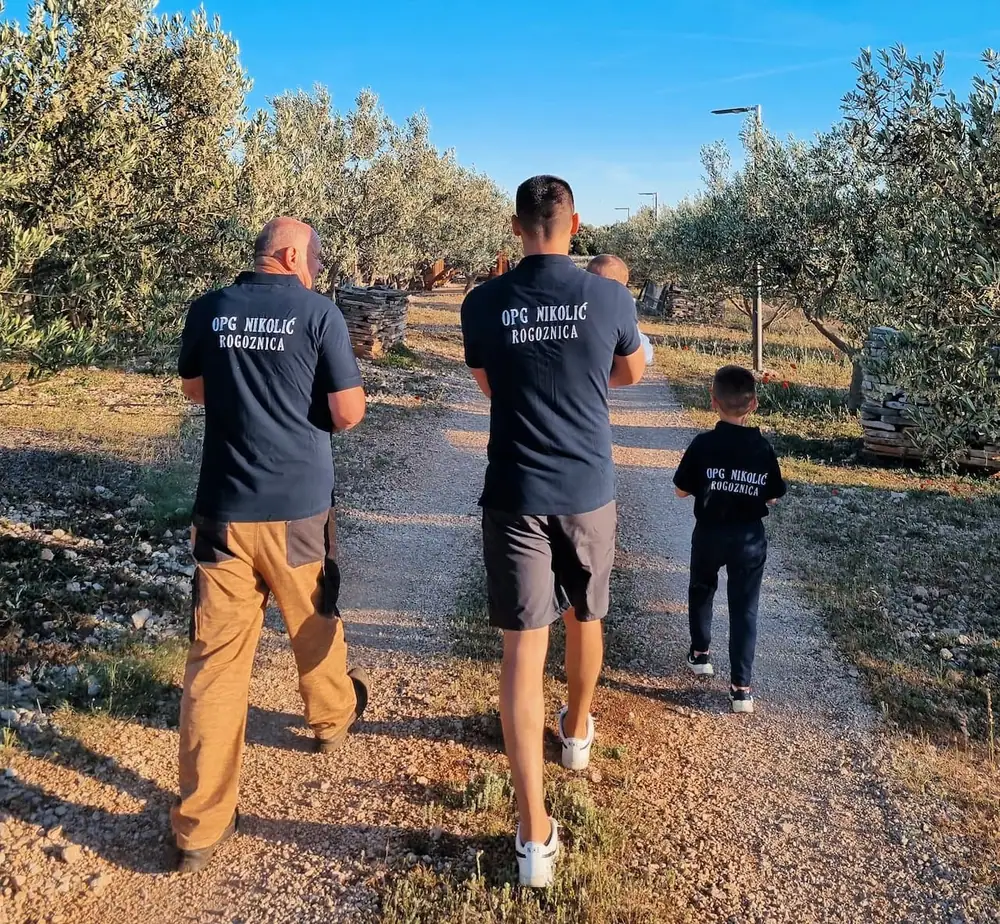
“In the past, villages here were full of life. People cultivated olives, vegetables and raised animals. Later, many people moved closer to the coast and some of that land was left behind,”
People cultivated olives, vegetables and secured animals. Later, many people moved closer to the coast and some of that land was left behind,” she added.
By restoring old groves on neglected land and planting new trees alongside existing ones, the family steadily went up both production and quality. “There were maybe 30 very old trees on the property,” Nikolic told reporters. “Everything else was in very bad condition. Our whole family kicked off working together to bring the land back to life. Before that, we had olive trees, but in smaller quantities.” Three generations of the Nikolic family walk through the groves near Ražanj, Croatia, where the family restored neglected land and built the award-winning OPG Nikolic farm through traditional, hands-on olive cultivation.
Located in the rugged Dalmatian landscape near Croatia’s Adriatic coast, the holding adopted a hands-on approach focused on constant grove management, careful pruning and organic fertilization. The operation as well integrated animals such as ponies, donkeys and chickens into the fields, creating what Nikolic described as a natural cycle between animals, land and olive cultivation . “We wanted a place outside the city where we could really live close to nature,” Nikolic said. “At first everything was just for us and our family.
Later, when production went up, we started selling small quantities.” Today, OPG Nikolic cultivates around 1,000 olive trees, primarily the native Oblica variety. The family harvests all olives manually, avoiding heavy machinery in the groves.
The recognition in New York arrived despite, or perhaps because of, the holding’s insistence on maintaining a highly manual. Family-centered approach. “Last year we harvested around 25 tons, completely with family members,” Nikolic explained. “Around 15 of us worked together for nearly a month. Everything is done by hand as we do not want to damage the trees.” The family’s success at the NYIOOC mirrored the extraordinary performances of Croatian producers in New York. The groves sit within the rocky terrain typical of Dalmatia, where olive trees have adapted over centuries to harsh conditions, dry summers and thin soils. “When it comes to quality, the land is crucial,” Nikolic explained. “We have excellent conditions for olive growing.
The stones, the climate and the long sunny periods are ideal for olives.” Oblica, the dominant variety grown by the estate, is especially well-suited to those conditions. “The fruits are large, which makes hand harvesting easier,” she said. “The trees are strong, adaptable and relatively resistant to disease. Wind, heat and cold periods can all affect production.” Summer heat has also grew pressure on irrigation. Tree management. “In summer we pay special attention to irrigation and tree health because it can become extremely hot,” she explained. Labor shortages present another growing challenge. “It is becoming harder to find people willing to do this kind of physical work by hand, especially during harvest,” Nikolic explained.
OPG Nikolic For now, the family continues to rely largely on relatives and close community members to manage the demanding harvest season. At the same time, the operation is gradually expanding beyond olive oil production itself.
This year, OPG Nikolic started organizing family visits and workshops to introduce visitors to traditional Dalmatian rural life. Olive cultivation. “We want people to understand where high-quality olive oil comes from and how much work and passion are behind it,” Nikolic told reporters. Visitors can walk through the groves, meet the animals on the ranch, taste the oils and experience the slower rhythm of Dalmatian rural life. The initiative reflects a broader movement among Croatian producers seeking to connect premium olive oil with rural tourism and cultural heritage.
It is amazing to see how our two sons are growing up connected to the estate and olive groves,” Nikolic concluded.
- Who: OPG Nikolic · Croatian
- Figures: 25 tons