BIGH Raises €4.3m for Largest Urban Rooftop Farm in Europe
BIGH (Building Integrated Greenhouses), a startup based in Brussels, Belgium, has began trading its first aquaponic farm on a site spanning 4,000 meters squared above a food hall in the center of the city. The startup, a developer and operator of urban farms in aquaponics, raised €4.3 million ($5.1 million) from a rang…
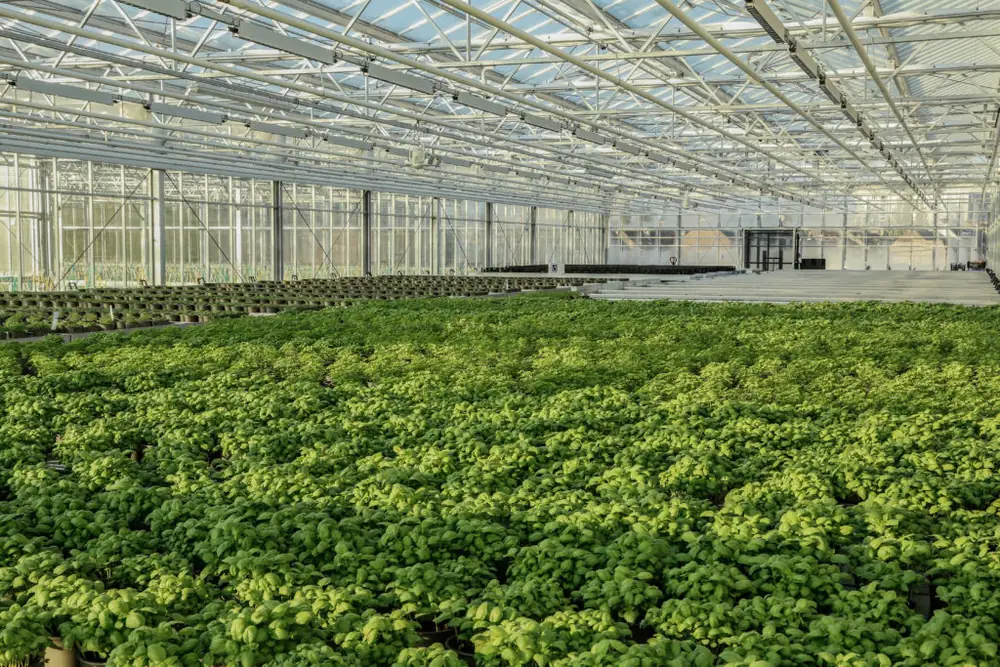
They include a group of individuals from the banking, construction and architecture sectors via LTFD , real estate firm Fidentia Green Buildings , the public funding vehicle of the Brussels region Finance .Brussels , and aquaponic estate operator and builder from Berlin ECF. The largest urban rooftop in Europe, according to BIGH, “Ferme Abbattoir” includes 2,000 meters squared of horticultural greenhouses and connected fish estate, as well as 2,000 meters squared of outdoor vegetable gardens. The estate, which was constructed on the roof of the Foodmet trade hall on a historical Abattoir site in Brussels, was partially funded by BIGH’s equity financing, and partly in a debt facility from BNP Paribas Fortis bank.
BIGH’s founder, the architect Steven Beckers, is a circular economy proponent, and so the holding captures heat from the slaughterhouses below while offering refrigeration to the Foodmet’s butchers and retailers’ cold rooms. The pump is supplemented by a gas heating device providing CO 2 for photosynthesis support during the day as will the main gas heater of the Foodmet, in time.
The estate in addition aims for minimal reliance on mains water through filtered rainwater storage and well water top-up and its electricity consumption is partially compensated by the Abattoir’s solar panels. “BIGH is a strong demonstration of the economically profitable circular economy, whose healthy, transparent, quality and local food production is in symbiosis with the urban environment. The city becomes a solution if the search for positive impact is made at all levels: energy, water, air quality, biodiversity, material resources, etc. while creating employment. The BIGH model is also beneficial for real estate, growing property values,” told reporters Beckers in a statement.
BIGH anticipates to produce 35 tonnes of striped bass a year and uses an aquaponics system with two shut down loops. This means that while 3-5% of the fish water is removed to feed the harvests, that water does not circulate back to the fish section. Instead, it is replaced with groundwater or rainwater, David Norris, project manager at BIGH briefed AgFudnerNews.
The benefits of this system include the ability to shut down one system independently of the other which is helpful for cleaning purposes as well as security. The PH levels can be different in each system and therefore optimized instead of compromising, he added.
BIGH forecasts to announce the site of its next estate imminently.
- Who: BIGH · Building Integrated Greenhouses
- Money: €4.3 million · $5.1 million
- Percentages: 5%
- Figures: 4.3 million · 5.1 million · 35 tonnes · 5%