Word-of-Mouth is Key Channel in Success of Plant-Based Milks, Finds Study
Research on US consumer preferences for plant-based milk, conducted by New Zealand’s Lincoln University, has found that plant-based milk enthusiasts actively promote these alternatives through word-of-mouth, making them valuable allies in marketing. The paper — focused on US consumers, due to the country’s extensive pl…
“Word-of-mouth is high commitment, as it shows the consumer has previously consumed a product and taken the time to review it and share online”
In comparison, word-of-mouth is high commitment, as it points to the consumer has earlier on consumed a product and taken the time to review it and share online. By gaining insight into consumer attitudes, marketers have a guide to potential behavior,” Dr.
Going to Rombach, . © MALK Organics Influencing product choices Key conclusions reveal that shoppers show varying enthusiasm for plant-based milk alternatives based on their dietary practices, health concerns, and environmental or animal welfare considerations. Marketers can leverage these preferences by emphasizing particular benefits and tailoring messaging to specific consumer segments, such as those with dietary restrictions or weight management goals. “Word-of-mouth is an important channel to measure, particularly online” Vegetarian and vegan shoppers, for instance, are interested in the cruelty-free and animal welfare standards benefits of plant-based milk. Meanwhile, health-conscious shoppers are more likely to try plant-based milk in light of its high fiber and low-fat benefits.
As highlighted above, the research found that plant-based milk enthusiasts are crucial in the promotion of new products through word-of-mouth. The researchers suggest that engaging this group in label storytelling can effectively reach a wider audience. “Word-of-mouth is an key channel to measure, particularly online. Most of us scroll through our social media accounts every day.
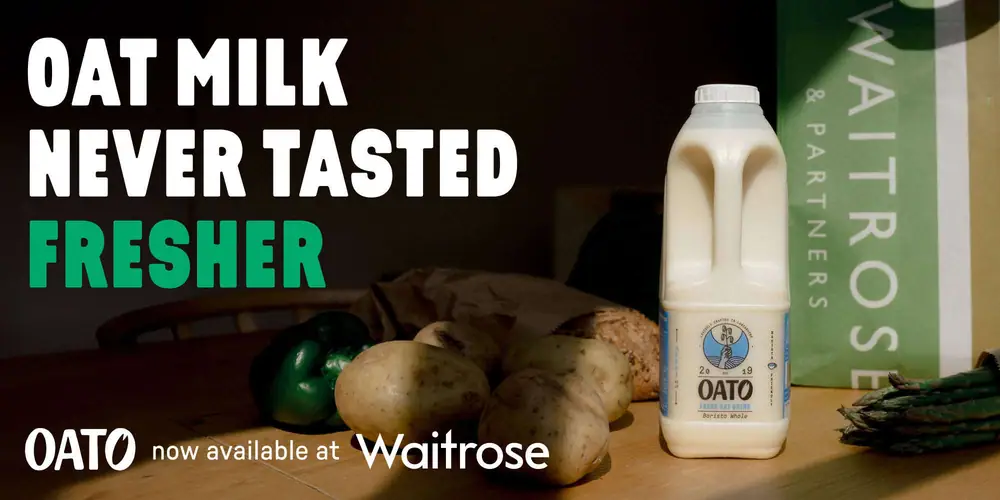
Our digital world aids our product choices with family, friends, and online influencers impacting what we pick up,” Dr. Rombach stated. © Oato Repositioning plant-based milk The study also reveals a dichotomy between dairy and plant-based milk consumers. While traditional marketing has positioned plant-based milk as a dairy substitute, the investigation points to repositioning plant-based milk as supplementary rather than a direct substitute may mitigate negative sentiments.
They as well argue that highlighting taste similarities to dairy milk can be a successful strategy to avoid disappointment and negative feedback. Future investigation should focus on a broader population, including older buyers and children, and explore regional differences in consumer preferences. In addition, cross-cultural comparisons, particularly with Asian markets, could provide valuable insights into global trends, conclude the authors. “Results show that animal welfare, dairy preference, environmental concerns, and plant-based milk enthusiasm are significant predictors for willingness to try plant-based milk alternatives.
Dairy preferences, environmental concerns, and plant-based milk enthusiasm predict the word-of-mouth factors. Overall, plant-based milk enthusiasm is the strongest driver for both consumer behaviours,” the study reads.
- Who: Word-of-mouth · New Zealand’s Lincoln University · Meike Rombach · Lei Cong