The Cult of Spicy Chile Crisp Is Real
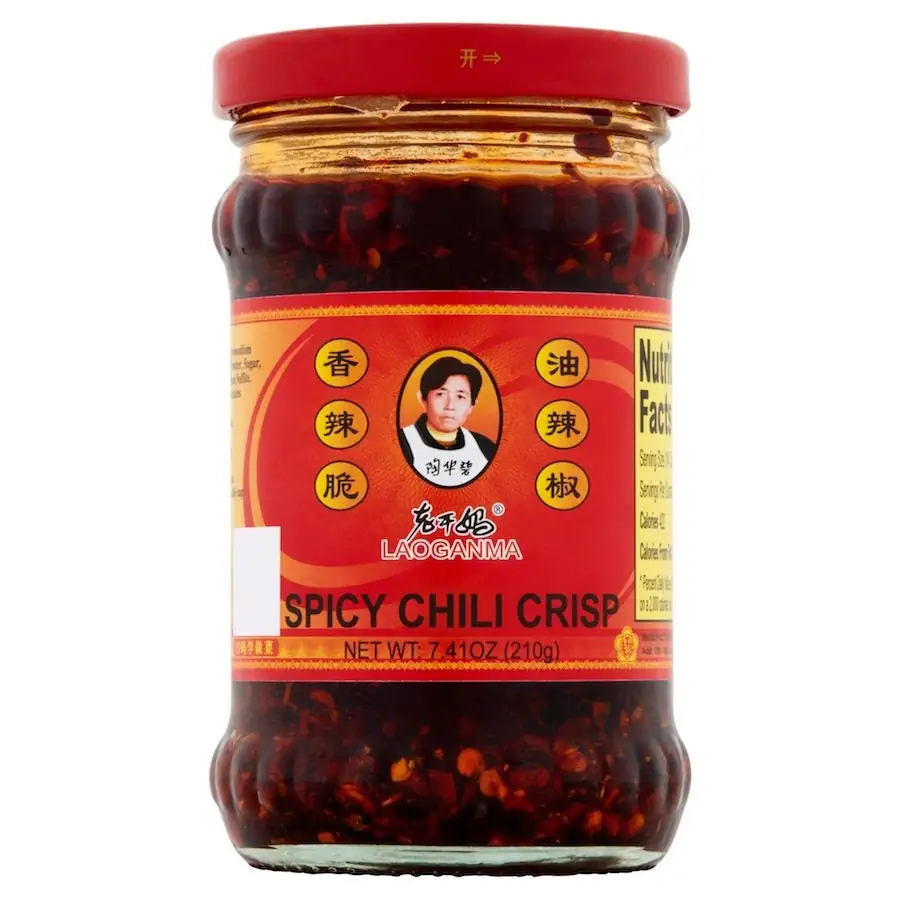
Chile crisp is the garlicky, spicy, crunchy condiment that somehow works in everything from noodles to ice cream to peanut brittle. When a cult is formed around a food, it can seem like it hit the world all at once—with vibrant images of vermilion chile sauce drenching soft-serve ice cream. But this oily, mottled mixtu…
“We have a cook that trained in Lanzhou, and he showed us how to make it. We add crispy potatoes fried in garlic oil to get the ‘crisp’ instead of crispy garlic,”
Yet many of those who have spread love for the sauce in the States cannot pinpoint exactly when or where they first had it. “It kind of bubbled up into my consciousness,” explains Kate Ray, the founder of Lao Gan Magazine , a zine that was published earlier this year in adoration of the “godmother sauce,” as the name name translates. Ray remembers first becoming aware of the sauce in her 20s through Chinese-American friends.
She started bottling the sauces and quickly became one of the richest self-made billionaires in China. Straddling the chile-loving southwestern Chinese provinces of Sichuan, Hunan, and Yunnan, Guizhou has perhaps not surprisingly become home to a condiment sensation of the last decade or so.
Sourness isn’t evident in chile crisp, but it was created as a mix-in for noodle dishes, where Chinese vinegar can be added. “I would eat it a lot growing up, putting it on everything,” states Jenny Gao, the founder of Sichuan Chili Crisp, a condiment she created as a 100 percent natural alternative to this type of sauce with her newly introduced brand, Fly by Jing . Having grown up in China’s Sichuan province, Gao was accustomed to all manner of chile oils and sauces before deciding to put her own spin on them, sans MSG.
The trend has been percolating in “dark cuisine,” or bizarre food combinations, as it’s known on the Chinese Internet, but it has surpassed the realm of shock-value memes to become a real, and in-demand, offering at ice cream parlors in Sichuan province. Nowadays, Lopez-Alt says, he makes his own spicy chile sauce to serve with desserts and other offerings—like a cucumber salad with chile crisp sauce and yogurt mixed together.
But on initial discovery of the sundae, “I heard about it and we served it that night.” Over the last few years, writers for national publications have been swooning over Lao Gan Ma and declaring they might die if they run out of the stuff. Countless chefs have confessed to spooning the stuff on food after business hours, or formulating their own housemade iteration inspired by it. “We have a cook that trained in Lanzhou, and he indicated us how to make it.
We add crispy potatoes fried in garlic oil to get the ‘crisp’ instead of crispy garlic,” says Brandon Jew, chef-owner of Mister Jiu’s in San Francisco. “Every single one of my friends, whether they were restaurant friends or non-restaurant friends, were like, ‘This is my favorite chile oil,’” says Rich Ho, chef-owner of Ho Foods in New York City, of Lao Gan Ma’s chile crisp. He as well makes his own version of chile oil at his restaurant, blending red and green Sichuan peppercorns and some orange peel with three different types of dried red chile flakes. “Lao Gan Ma has such a stronghold on the Chinese market,” states Gao.
Her Kickstarter campaign for Fly by Jing has surpassed its initial goal by more than 300 percent, making it one of the most successful food launches on the platform. “I think Sichuan food has definitely been having a moment,” she states. This is why Lao Gan Ma is considered the patron saint of bachelors and college students on the Chinese Internet,” states Christina Xu, another contributor to Lao Gan Magazine and a freelance tech ethnographer.
It is the biggest chile sauce in China, the country with the biggest population. Going to And as one might imagine, in China, “it’s like ketchup,”, diana Kuan, author of the upcoming cookbook Red Hot Kitchen .
I was introduced to the label by way of chef Danny Bowien a few years ago, when he was opening his first Mission Chinese Food in New York City. I picked up Lao Gan Ma’s spicy bean sauce for a few years, until one day I accidentally picked up its chile crisp at the store instead.
With a looser consistency than its pastelike sibling doubanjiang, the chunky chile oil was no less satisfying in anything I might use it for—and useful in more ways.
- Who: Lao Gan Ma · Lao Gan Magazine · Lao Gan Ma’s
- Percentages: 100 percent · 300 percent
- Figures: 100 percent · 300 percent