Why ćevapi and burek are not what many foreigners think
ćevapi are much more than meat sausages, and many foreigners serve, name, and eat them differently than they are eaten in the Balkans.
ćevapi are often described abroad as "small sausages" or even "Balkan hot dogs." They are actually specially shaped rolls of minced meat, of Ottoman origin, prized for their simplicity and intense meat flavor.
The most common mistake lies in the accompaniments. Many add ketchup, mayonnaise, or exotic sauces, while in the Balkans they are traditionally eaten with onion, lepinja (a type of sausage), and sometimes kajmak (a type of sausage) or ajvar (a type of paprika). On Reddit forums, users complain that foreigners "ruin" the dish: "Ajvar with ćevapi is like ketchup on a hot dog."
Ajvar is a slow-cooked spread made with roasted peppers and sometimes eggplant, and it holds almost symbolic significance in the region. Foreigners often compare it to pesto or pasta sauce, which isn't entirely accurate. Abroad, it's used with eggs, pasta, or hamburgers, while in the Balkans it's typically served with grilled meat or spread on bread. Some call it "Balkan caviar," a charming comparison, but one that's quite far removed from its origins.
Sarma, a cabbage leaf stuffed with meat and rice and slow-cooked in sauce, is also difficult for many foreigners to understand. The combination of sauerkraut and meat isn't to everyone's liking, although many admit it's one of those dishes that "you have to learn to appreciate over time." Kajmak, meanwhile, is neither pure cheese nor butter: it's a very creamy dairy product, similar to curdled cream, which foreigners often spread on toast or serve as dessert, while in the Balkans it's an indispensable accompaniment to grilled meat.
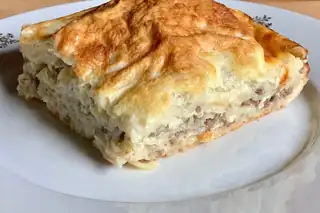
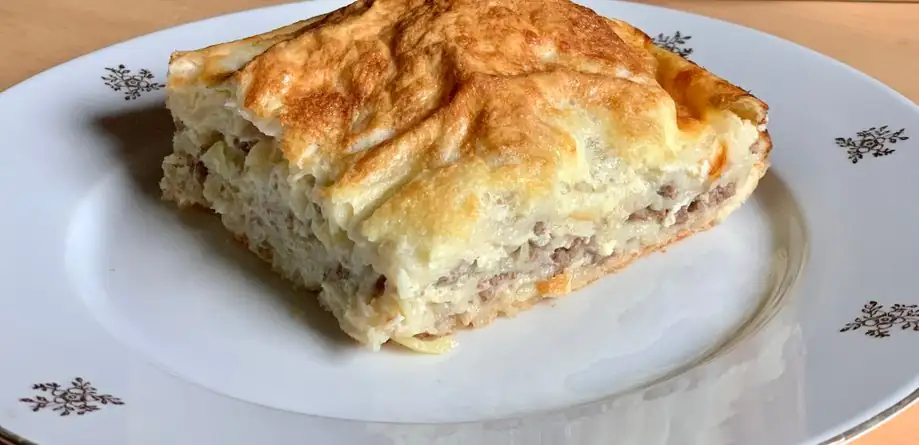
The burek is perhaps the most misunderstood. Abroad, it's often described as a "savory pie," but in the Balkans, the terminology is more specific: traditionally, it's a meat-filled pastry, and versions with cheese, spinach, or other fillings have their own names. Foreigners often use burek as a generic term for any thin-crust pastry, which irritates locals: if it has cheese, it's a cheesecake, not a burek.
Regional differences further complicate matters, because each country has its own variations, names, and methods. To a foreigner, the name might seem like a minor detail, but for many Balkan people it's important, because an incorrect name gives the impression of not knowing the fundamentals of their cuisine.
The underlying reason is that Balkan cuisine is based on tradition and unwritten "rules" that locals know well. Foreigners often adapt dishes to their own tastes, leading to new and sometimes very different interpretations. Balkan gastronomy remains one of the most authentic and, at the same time, one of the most misunderstood, precisely because of a simplicity that hides more than meets the eye.