¿Cuál es la temperatura óptima para cocinar un filete de atún?
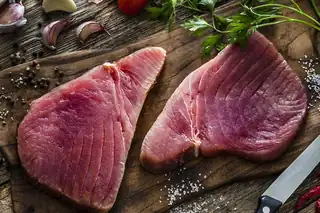
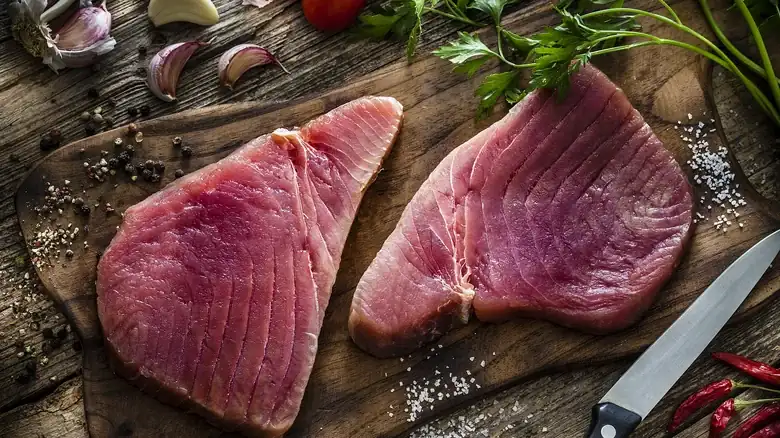
Muchos cocineros caseros han pasado por esto: compras un hermoso trozo de atún en la pescadería, un generoso filete de un rojo intenso como una joya, sabiendo que solo necesitas sal, pimienta y un poco de calor para convertirlo en una cena rápida.
Many home cooks have been there: you buy a beautiful piece of tuna at the fishmonger's, a generous fillet as deep red as a jewel, knowing that all you need is salt, pepper, and a little heat to turn it into a quick dinner. These basic seasonings are easy to measure to taste, but figuring out the exact amount of heat needed to make the fish delicious without burning it can be a bit trickier.
The U.S. Food and Drug Administration (FDA) recommends cooking tuna and all fish to a minimum internal temperature of 63 degrees Celsius (145 degrees Fahrenheit). This is the ideal temperature for preventing foodborne illness. However, it doesn't account for preferred cooking levels or the lower temperatures needed to achieve optimal tuna texture, something the federal government prefers to avoid. This is also one of the reasons why restaurant menus include warnings about certain raw or undercooked foods. Even so, in professional kitchens around the world, heat is to tuna steak what vermouth is to a martini: less is more. Tuna is cooked at lower temperatures, resulting in a more raw texture.
What is the ideal temperature for a rare, medium, and well-done tuna steak?
Once you've taken the recommended target temperatures into account, and even considered them as if they were yesterday's catch, you just need to memorize a few other ideal temperatures for achieving the most flavorful tuna to suit your taste. These temperatures are suitable for a wide variety of cooking methods and recipes with equal success.
After a while of practicing and getting used to your appliances (or your new grill), you'll find it easy to estimate the desired doneness of your fish with reasonable accuracy. If you're not yet proficient, a food thermometer is essential. The best tuna steak should be around 32°C for rare and around 54°C for medium. If you exceed the FDA's recommended 63°C, the fish will be overcooked. This increases dryness and reduces flavor, thus diminishing some of the risks associated with consuming undercooked fish.