La yuca no es una patata, pero funciona mejor en muchas recetas
Este tubérculo raíz, también llamado mandioca, es la fuente de la tapioca y un alimento básico para más de 800 millones de personas en África, Asia y América.
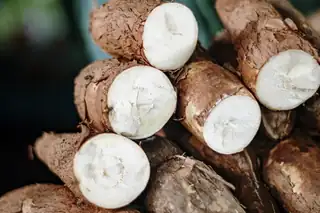
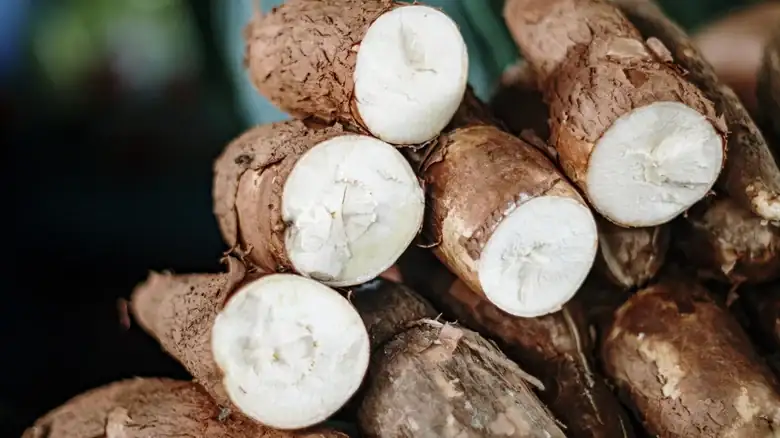
Cassava is a vegetable similar in size to a sweet potato, but with a fibrous outer skin, and should not be confused with the ornamental yucca of the American desert. Although both are tubers, they have notable differences. Cassava takes longer to cook when boiled and is much denser than the potato, which has a higher water content. Because of its lower water content, adding extra liquid when baking can be beneficial. Furthermore, it spoils quickly after harvesting, within 48 to 72 hours before it begins to rot, which is why many roots found in stores are frozen or coated in wax for preservation.
Another crucial difference lies in its toxicity: cassava should never be eaten raw because it contains natural cyanide. However, cooking it renders it completely harmless, so you can safely use it to make crispy fries. Cassava should always be peeled and cut into slices or cubes before boiling. Boiling softens it and makes it safe to eat, after which it can be prepared as desired.
In Puerto Rico, cassava is used in many dishes, including alcapurrias, fritters made from mashed cassava and filled with meat or seafood. Another Caribbean favorite is cassava pone, a rich cake made with cassava, coconut, milk, and sugar. It can also be used to make fufu, a West African dish that transforms cassava into dough balls traditionally eaten with stews. The most popular way to use cassava is to make cassava fries: cut the tuber into strips, boil them, and then fry them until crispy. Boiled cassava also makes an excellent substitute for mashed potatoes, deliciously creamy with a slightly sweet and nutty flavor. In addition to the root, you can also use cassava flour, which is ideal for gluten-free baking or for thickening pie fillings, replacing wheat flour in a 1:1 ratio.