True or False? Debunking Myths on Tequila Day
Every year on Tequila Day, it's common to hear a variety of opinions about this iconic Mexican spirit. From how it should be drunk to what an authentic bottle actually contains, myths about tequila abound.
Myth 1: Tequila must have a worm in it
Tequila has been celebrated and consumed for centuries, both in Mexico, its country of origin, and around the world. However, tequila's popularity has given rise to many misconceptions. According to the Tequila Regulatory Council (CRT), the production of this spirit is subject to strict regulations to ensure its authenticity and quality. Despite these regulations and the information available, many consumers continue to believe unfounded myths.
This time, we'll debunk some of the most common myths about tequila and explore the realities behind this drink and industry.
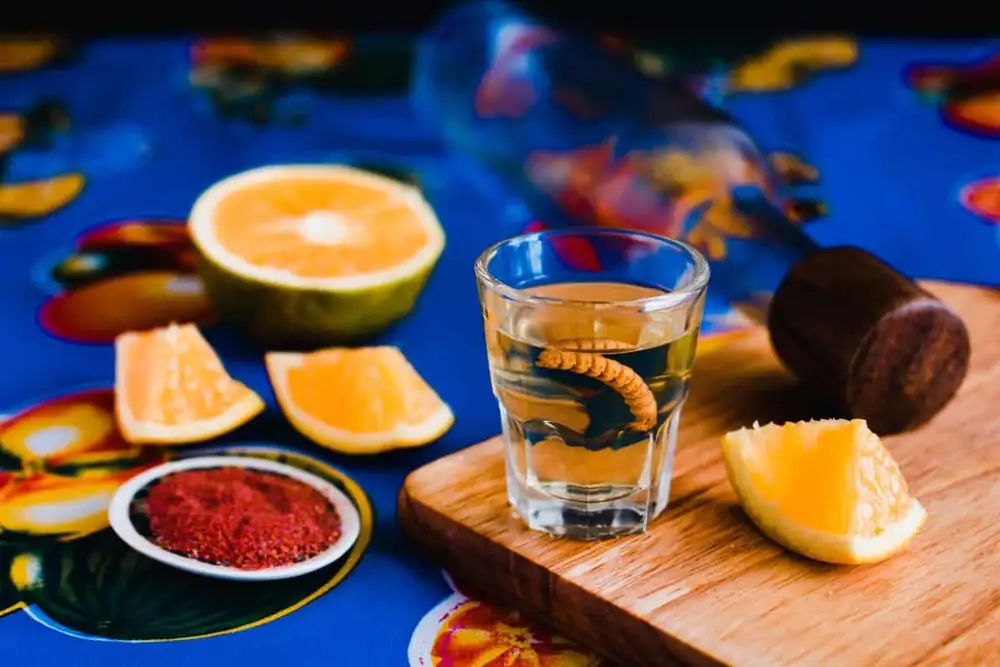
This is false. Bottles of tequila do not contain a worm. The Mexican spirit that can be sold with a worm inside is mezcal. Similar to tequila, yes, but not the same. Unlike tequila, mezcal is produced more flexibly, allowing each producer to have their own style. Confusion between mezcal and tequila outside of Mexico has led to the emergence of this myth. Furthermore, although in the past some worms from agave plants would sometimes end up in tequila production, this no longer happens due to modern quality controls.
Myth 2: Tequila can only be produced with one type of agave
This myth is true. Tequila must be produced exclusively from blue agave (Agave tequilana Weber var. azul). This specification is a requirement and is regulated by the Tequila Denomination of Origin (DOT), which guarantees that only blue agave cultivated in certain regions of Mexico can be used to produce tequila. According to information from the Mexican government, this regulation ensures that tequila maintains its distinctive characteristics and high quality.
Myth 3: Añejo Tequila is of better quality
False. The myth that añejo tequila is always better quality isn't necessarily true. Tequila's quality depends on several factors, including production methods and the type of agave used. Añejo tequila is aged in oak barrels for at least a year, which gives it a smoother, more complex flavor. However, this doesn't mean it's better than blanco or reposado tequila; it's simply different.
Myth 4: Tequila is still only produced in a handcrafted way
Although many distilleries still produce tequila using traditional methods, industrialized production is now very common, so this myth is false. Large distilleries use advanced technologies to efficiently produce large quantities of tequila. However, artisanal production is still valued, and many brands continue to use traditional methods to maintain the quality and authenticity of their products.
Myth 5: Tequila should be consumed with lemon and salt
It depends. This myth has a grain of truth, but it's not a hard and fast rule. Drinking tequila with lime and salt is a popular practice, especially for blanco tequilas and in festive settings. However, high-quality tequilas, particularly añejo and extra añejo, are best enjoyed neat to fully appreciate their complex flavor profiles. According to the CRT (Tequila Regulatory Council), there's no right or wrong way to drink tequila; it all comes down to personal preference.
Bonus: Tequila makes you aggressive or "bad drunk"
The myth that tequila makes you aggressive is more of a stereotype than a reality. A person's reaction to alcohol depends on many individual factors, such as tolerance, emotional state, and environment. There is no scientific evidence to suggest that tequila has a different effect than other types of alcohol in terms of aggressive behavior. According to studies published by the National Institute on Alcohol Abuse and Alcoholism, alcohol-related behavior varies widely among individuals and cannot be attributed to a specific type of drink.
Tequila is a favorite drink for many; however, myths and misunderstandings have influenced the perception and enjoyment of this iconic beverage. By debunking these myths, we can better appreciate the fieldwork and tradition behind every bottle of tequila. So the next time you raise a glass of tequila, remember to sip it slowly and share these facts with your friends.