¿Por qué los filetes argentinos son de los mejores?
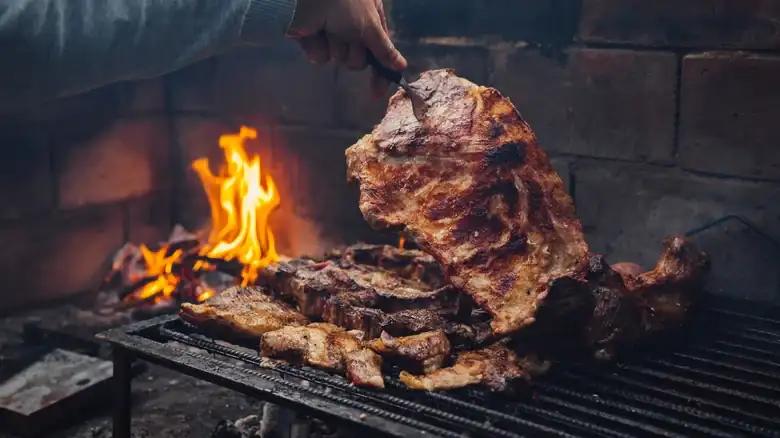
Al pensar en la gastronomía argentina, lo primero que viene a la mente es la deliciosa combinación de bistec y chimichurri, todo regado con un vino local. De hecho, la carne de res es un elemento fundamental de la cultura del país, disfrutada en rituales de cocina a la brasa llamados asado.
When thinking about Argentine cuisine, the first thing that comes to mind is the delicious combination of steak and chimichurri, all washed down with a local wine. In fact, beef is a fundamental element of the country's culture, enjoyed in barbecue rituals called asado. This practice originated in the vast Pampas region, where nomadic gauchos herded enormous flocks of cattle between the mid-18th and mid-19th centuries.
With such a deep-rooted cultural heritage, it's no surprise that Argentine beef remains so highly prized. Beyond its popularity, the beef is of exceptional quality. In fact, steaks from this South American country are among the best in the world. This excellence stems not only from Argentina's long-standing cattle-ranching tradition but also from modern breeding practices.
First, many cattle raised in Argentina are still grass-fed rather than grain-fed. While this diet produces leaner steaks, grass-fed beef also has a more intense flavor. Additionally, many ranches use grain finishing, which increases the fat content. The natural breeding process is supported by strict regulations that prohibit antibiotics and growth hormones, as well as protecting the animal environment. This dedication to quality is reflected in the flavor, further solidifying the reputation of Argentine beef.
A natural cattle breeding process distinguishes Argentine steaks.
Cattle breeding practices are undoubtedly a fundamental pillar of Argentine steak. However, the subsequent butchering and preparation also contribute to the dish's reputation. In Argentina, steaks are presented in different cuts, often with a higher fat content. Designed for grilling, the Argentine butchering process enhances the consistency of the beef's texture and intrinsic flavor.
You'll find cuts like the skirt steak, similar to beef brisket but cut into a thinner, more slender piece, bursting with flavor. There's also the ribeye, long and narrow, like a short rib with the bone in, ideal for grilling. These cuts of meat require slow cooking over indirect heat, which gives them a smoky flavor. While the tougher cuts are cooked slowly to a texture similar to American barbecue, the more tender ones remain medium-rare despite the longer cooking time.
Argentine steaks are traditionally served with a flavorful chimichurri (not to be confused with pesto). Throughout the meal, meat in all its forms takes center stage: sweetbreads and chorizo are served as appetizers. With simple yet delicious side dishes like potatoes and grilled vegetables, the exquisite beef truly shines.