Does searing meat really retain its juices?
We've heard repeatedly that searing meat is the key to keeping it juicy. Unfortunately, this isn't true. This theory is not only unfounded, but it has also been debunked numerous times.
We've heard repeatedly that searing meat is the key to keeping it juicy. Unfortunately, this isn't true. This theory is not only unfounded, but it has also been debunked numerous times.
Any amount of cooking will cause meat to lose its juices, so it's not that you were misled, but rather that the advice itself is incomplete. The "juices" in question in meat are primarily water and a protein called myoglobin. It's the myoglobin that gives the inside of the steak that characteristic red color (not blood, for those wondering). When heat is applied, the meat contracts and these liquids are expelled. This process occurs with all cooking methods, including searing. The thing is, searing is actually one of the best methods for achieving juicy steaks, but not because it "seals" anything. In fact, it's because searing is done over high heat for a relatively short period of time, and by doing so, less liquid is lost.
The origin of this myth dates back to 1847, when the German chemist Justus von Liebig suggested that the hard crust that forms when searing meat prevents the juices from escaping. While this can be easily refuted, it likely persists anecdotally because cooking meat by simply searing it achieves a level of doneness between rare and medium, resulting in juicier meat than when it is well-done, due to the shorter cooking time.
Why you should still sear the meat
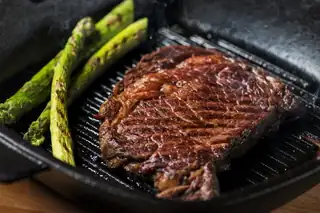
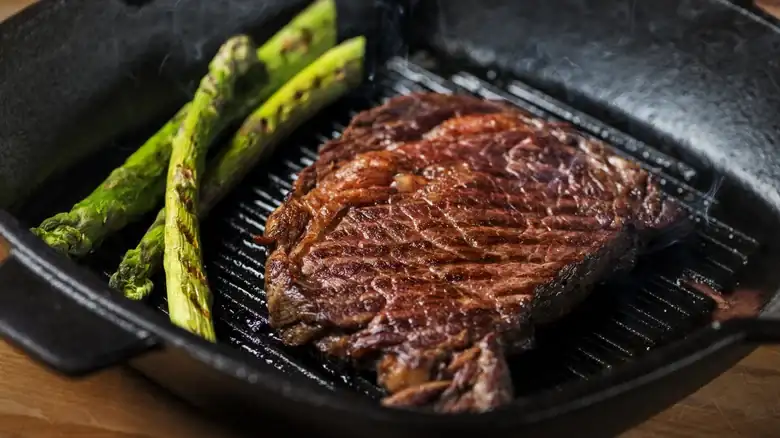
Don't be discouraged from searing meat, as it still offers many advantages. Primarily, searing guarantees a delicious extra flavor thanks to the Maillard reaction. When subjected to direct, dry heat, the meat forms a brown crust that releases a smoky, almost caramelized flavor. This flavor is retained even if you continue cooking the meat in another way after searing. In fact, even for a beef brisket cooked slowly for a long time, not searing the meat beforehand is a serious mistake that professional chefs recommend avoiding.
Although searing is usually done with dry heat, oil can also be used, giving the steak a delicious, flavorful outer crust. Other benefits of searing include the added complexity it brings to the meat's texture, which is noticeable even if done briefly. Furthermore, the intense heat kills surface bacteria, so if you prefer your steak rare, it's an excellent method for ensuring food safety. However, remember not to pierce the meat beforehand, as this can push bacteria deeper into the meat, reducing the effectiveness of the searing.