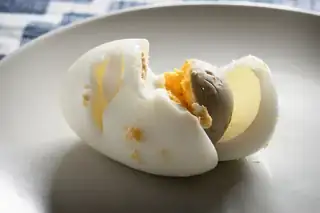
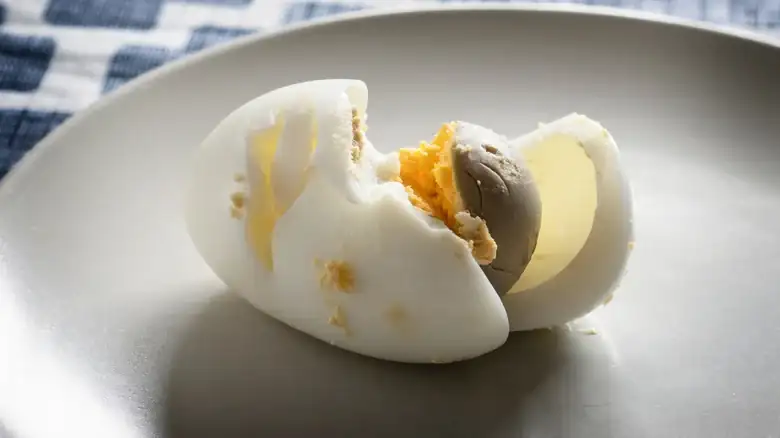
What makes the yolks of your hard-boiled eggs turn green? (And how to prevent it)
Dr. Seuss went to great lengths to popularize green eggs, and while they proved to be an engaging narrative device, in practice they don't look very appetizing. Seriously, there's nothing more frustrating than spending time boiling eggs, only to peel them and discover that the yolks have turned a disgusting green.
Dr. Seuss went to great lengths to popularize green eggs, and while they proved to be an engaging narrative device, in practice they don't look very appetizing. Seriously, there's nothing more frustrating than spending time boiling eggs, only to peel them and discover that the yolks have turned a disgusting green. Although some may think this is unavoidable, it's actually entirely preventable.
The reason egg yolks turn green is usually due to overcooking, although it can also be caused by boiling eggs in water with a high iron content. When overcooking is the cause, the green hue is the result of a process known as denaturation. This occurs when the iron in the yolk reacts with the sulfur present in the egg white to form green chemical compounds known as ferrous sulfide. In this case, denaturation is caused by prolonged heat, which initiates the chemical reaction.
Although eggs are perfectly safe to eat, green yolks don't look very appealing and can ruin the presentation of dishes like deviled eggs. Fortunately, it's very easy to prevent yolks from turning green; the key is to avoid hard-boiling the eggs.
Preparing perfect hard-boiled eggs doesn't have to be a challenge.
Often, when preparing hard-boiled eggs, they are left to boil for too long. However, the best way to prevent the yolks from turning green is to avoid boiling them altogether. The key is to place the eggs in a single layer in a pot and cover them with cold water. Heat them slowly until the water is almost boiling. At that point, remove them from the heat and let them sit for nine to fifteen minutes, depending on the size of the eggs.
Alternatively, you can prepare eggs using the 5-5-5 pressure cooker method, which involves cooking them for five minutes, letting them rest for five minutes, and then plunging them into ice water for another five minutes. Of course, there are plenty of other tricks for hard-boiling eggs, such as adding vinegar to the water to make them easier to peel. And once you've mastered the cooking process, there are countless things you can learn to do with hard-boiled eggs, including delicious, enhanced egg salads and numerous variations of deviled eggs.