Los biscotti americanos se llaman cantucci en Italia
En Estados Unidos, «biscotti» designa una galleta crujiente generalmente aromatizada con anís y avellanas o almendras, mientras que en Italia la misma palabra significa simplemente «galletas».
That the same word can change meaning between languages shouldn't be surprising, but the case of "biscotti" is quite curious. It's a term of Italian origin that in the United States designates a specific type of cookie, while in Italy it generically refers to any cookie.
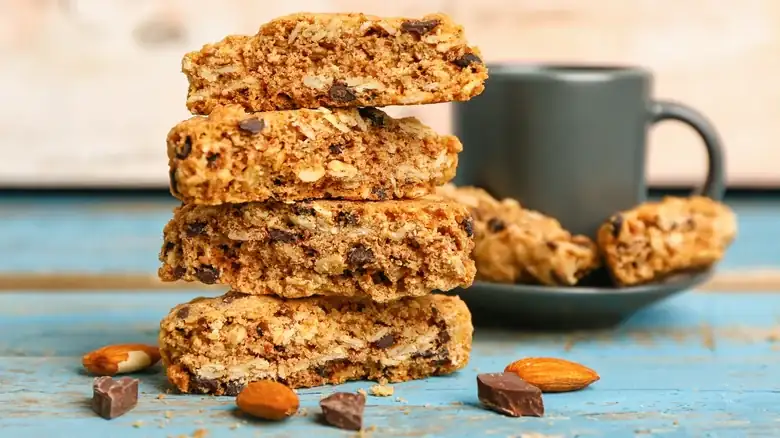
Originally, the Latin word "biscotus," the predecessor of "biscotti," referred to something cooked or baked twice. In a way, Americans use the term more faithfully to its origin. These boot-shaped cookies with spices, fruit, and nuts have a different name in Italy.
They're called "cantucci." The word refers to small, crisp, crumbly pastries, firm enough to dip in café au lait, espresso, or coffee without falling apart. It comes from "cantuccio," which in Italian is the hollow or last slice of a loaf of bread, appropriate, because cantucci are small and crisp, like the crust of bread. Saying "biscotti" or "cookies" wouldn't have been very helpful in Italy, so a new word was chosen.
Cantucci have their own regional traditions. They almost always contain almonds and fruit essences, in the form of juice, oil, or orange zest. They are generally less sweet than biscotti, so Italians often dip them in Vin Santo, a dessert wine made from partially dried grapes and aged under oxidative conditions.
Something similar to biscotti and cantucci was prepared in Ancient Rome to feed soldiers. After the fall of the empire, it was almost forgotten, until bakeries in Prato, Tuscany, began using local almonds to make Biscotti di Prato, which are mold-resistant and keep for a long time. When Christopher Columbus sailed the ocean, he took these biscuits with him as travel rations, and in the New World, the "di Prato" part of the name was dropped, probably for convenience.
Meanwhile, in Italy, cantucci replaced Biscotti di Prato, as other cities began producing this sweet treat. Vin Santo shares the same origins in time and place, and both are served together at the end of a meal to honor guests. This wine hasn't caught on in the United States, so biscotti are typically served with coffee, while cantucci are also paired with Vin Santo.