A zero-waste Obanzai from Kyoto, prepared with sushi robots
Kyoto home cooking is based on the Japanese principle of Mottainai, which calls for valuing ingredients and resources to the fullest.
“Obanzai originated in Kyoto but it’s used all over Japan now, where people think of it like soul food; mom’s meal that really warms up your heart,”
The premise of Mottainai is to make the most of food so that the family has food the next day. Since refrigeration didn't exist hundreds of years ago, each Obanzai dish had to be preserved for a long time without it, explained Japanese food designer and cultural strategist Sayaka Wada at a demonstration organized by the robotics company Autec.
“Obanzai originated in Kyoto, but it’s now eaten all over Japan, where people consider it a comforting dish, the kind of home-cooked food your mom makes that warms your heart” Wada said. The dishes typically include root vegetables such as taro, burdock root, or pumpkin, simmered in a dashi-flavored broth or a light sauce.
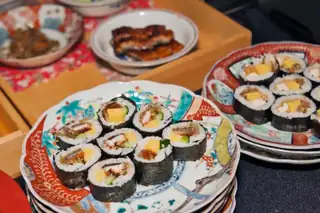
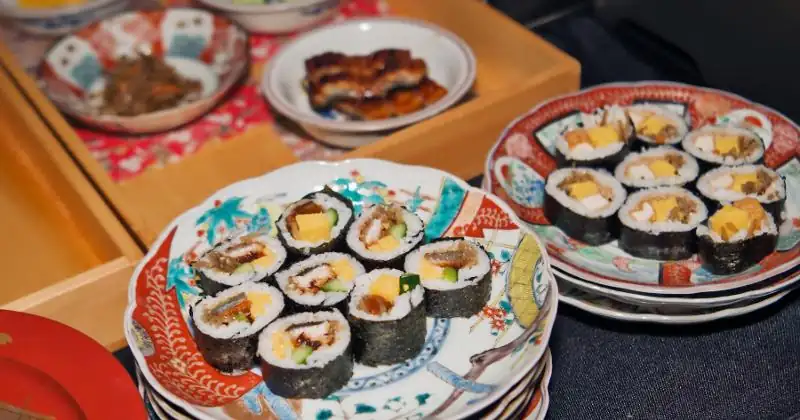
For the demonstration, Wada prepared three rolls with cooked beef, fish, tofu, and vegetables. He started with an atsu-age tofu roll: cooked rice is fed into one of the machines, which forms the base in seconds. Layers of seasoned, slow-cooked tofu, fried atsu-age tofu, burdock root, and tamagoyaki (egg) are placed on top of the nori seaweed, and another robot quickly rolls it up.
Next came the Unagi Kabayaki roll, with eel, pickled cucumbers, burdock root and tamagoyaki, and the Beef Shigureni roll, with braised beef, takuan (bright yellow pickled daikon radish) and burdock root.
Americans are generally accustomed to sushi made with raw fish wrapped in rice and seaweed. Obanzai, on the other hand, use cooked, pickled, and non-perishable ingredients that align with their zero-waste philosophy and also give their sushi a richer flavor.