The disputed origin of jambalaya and its vegan versions
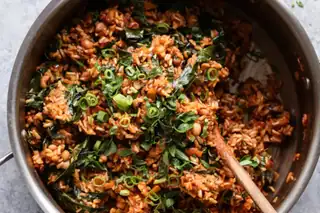
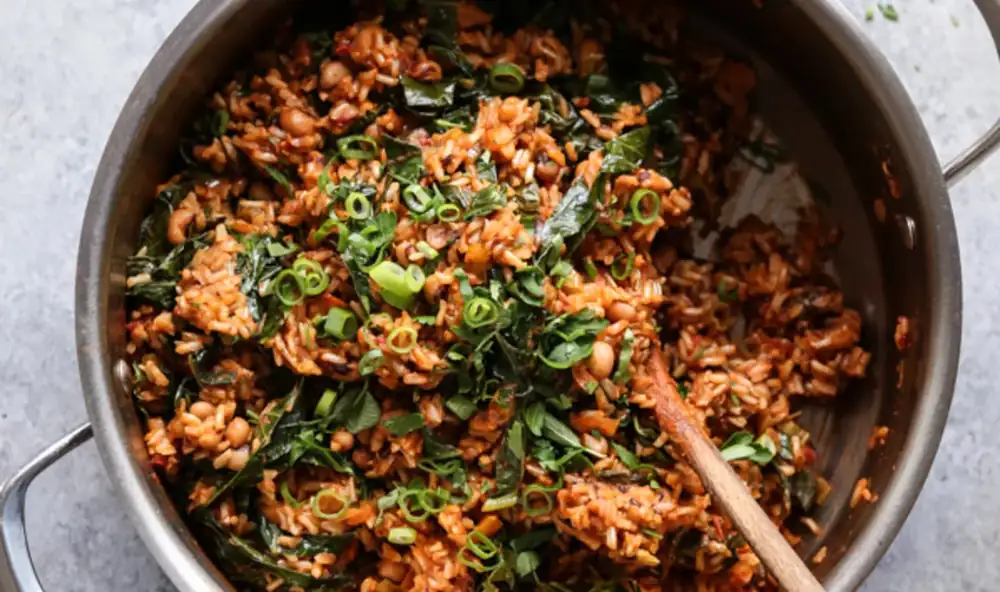
Jambalaya, a Louisiana rice dish, is prepared in many ways and also has a vegan version.
“Don’t be intimidated by the ingredient list or the cook time, the prep is fairly straightforward and simple,”
Like Spanish paella, jambalaya is a very popular rice dish in Louisiana, but there isn't just one way to make it. The Creole version, which is often served in New Orleans, is frequently made with tomatoes and shrimp, while Cajun versions typically include sausage and vegetables. Some combine both styles.
There is no consensus on its origin. Some believe it evolved from Spanish paella, which may have been adapted in Louisiana due to the absence of saffron, the use of tomatoes in Creole versions, or the darker techniques with roux in Cajun versions. The Encyclopedia Britannica also cannot definitively state its origin, describing jambalaya as a "mixture that reflects the various cultures that settled in Louisiana over several centuries."
These cultures include the Spanish, but also the French and those from West Africa. Jambalaya is very similar to jollof, a popular dish in Nigeria and Ghana consisting of seasoned rice cooked in sauce.
The plant-based version retains the essence of the dish. The meat can be substituted with smoked tofu, tempeh, vegan sausage, mushrooms, or jackfruit to achieve a similar texture. The intense, smoky flavor still comes from the smoked paprika, thyme, cayenne pepper, and garlic.