Cómo ayudar a tu hígado e intestinos a eliminar los excesos del verano sin dietas drásticas
Combate la hinchazón abdominal, la pesadez y la digestión lenta después de las fiestas con los consejos de la experta, que explica cómo recuperar la salud del hígado y los intestinos.
Combat abdominal bloating, heaviness, and slow digestion after the holidays with the expert's tips, who explains how to restore liver and intestinal health.
After a summer filled with happy hours with friends, outdoor barbecues, dinners out, less regular hours, and overindulgence, the return to daily routine can be accompanied by bloating, poor digestion, fatigue, and a general feeling of heaviness. But is it really necessary to resort to a detox diet to help the liver and intestines regain balance after the holidays, or is it possible to do so without resorting to "strong" measures like fasting and crash diets? To understand how to regain your sense of well-being, we asked dietitian Dr. Annamaria Acquaviva which foods to choose and what to do to support the liver and intestines, promote regularity, and reduce bloating.
How to Cleanse Your Liver and Intestine After the Holidays: What to Eat
"After the holidays, it's not necessary to 'detox' the liver with miracle products or fasting, but rather to create the conditions for it to perform its function optimally," explains dietitian Annamaria Acquaviva. "The liver is our body's main metabolic laboratory and, together with the intestine, works continuously to transform, utilize, eliminate, and recycle numerous substances. Both organs are connected through the so-called gut-liver axis, constantly communicating through blood, bile acids, and substances produced by the microbiota, the set of microorganisms that live in our intestines," says Dr. Annamaria Acquaviva. "After the excesses of summer, it's therefore useful to return to a Mediterranean-style diet, rich in vegetables, fruit, legumes, whole grains, fish, and extra virgin olive oil. Proper hydration, exercise, and regular meals also help the body regain its balance," suggests the expert. It's not just what we eat that matters, but also when we eat. Chrononutrition studies the relationship between diet and circadian rhythms, the biological oscillations that regulate our bodies over a 24-hour period. Meal times are one of the signals that synchronize the peripheral clocks of organs like the liver, pancreas, and intestines. Therefore, upon returning from vacation, it's helpful to resume fairly regular meal times, avoid skipping meals, and avoid concentrating a large portion of your caloric intake in a large dinner eaten too late.
Which foods help the liver and intestines eliminate summer excesses?
There's no single detox food that helps the liver and intestines eliminate excess waste. It's the entire diet that supports the normal function of these two organs. The fiber found in vegetables, fruit, legumes, and whole grains, for example, nourishes the microbiota and promotes intestinal regularity. Chicory, radicchio, artichokes, broccoli, cabbage, and fennel help vary the vegetables you eat throughout the week. Berries, plums, pomegranates, grapes, and extra virgin olive oil provide polyphenols, plant compounds with antioxidant properties.
The diet for the intestine and liver
A varied Mediterranean diet rich in plant-based foods can also contribute to the balance of the intestinal flora. "A study published in 2024 associated greater adherence to the Mediterranean diet with a more favorable and diverse composition of the intestinal microbiota. This balance depends on the variety of foods consumed consistently, not the occasional drink of a juice or herbal tea."
How long does it take for the liver and intestines to get rid of summer excesses?
"There's no one-size-fits-all timeframe. It depends on the duration and extent of the excesses, your health, and your previous eating habits," the expert explains. "After a few weeks of larger meals, many people may notice easier digestion and greater intestinal regularity within the first few days of returning to their normal habits. The gut microbiota, in fact, responds rapidly to dietary changes. One study observed changes within just a few days, confirming how dynamic this ecosystem is. However, achieving a more stable balance requires consistency and variety in your daily diet. Therefore, it's not helpful to seek a "quick fix" lasting a few days. It's best to dedicate the following weeks to reestablishing regular meals, including daily consumption of vegetables and fruit, legumes, and whole grains, proper hydration, physical activity, adequate sleep, and a reduction in alcohol consumption. In the presence of liver, intestinal, or metabolic diseases, the timing and recommendations should be individually assessed with a healthcare professional."
Bloating, slow digestion, and post-holiday heaviness: how can you rebalance your gut without crash diets?
Crash diets aren't necessary to combat bloating, slow digestion, and post-holiday heaviness. It's more effective to reduce the complexity and abundance of meals for a few days, while still maintaining a complete and balanced diet. It's helpful to eat slowly, chew well, and spread your food throughout the day, avoiding being overly hungry for dinner. Fiber intake should be increased gradually. Suddenly switching from a diet low in vegetables to large amounts of bran, legumes, and raw vegetables can exacerbate bloating. On days when digestion is more difficult, you can opt for cooked vegetables, well-cooked grains, fish, eggs, and moderate portions of legumes, possibly choosing hulled or pureed ones.
A typical daily menu to support the liver and intestines in September
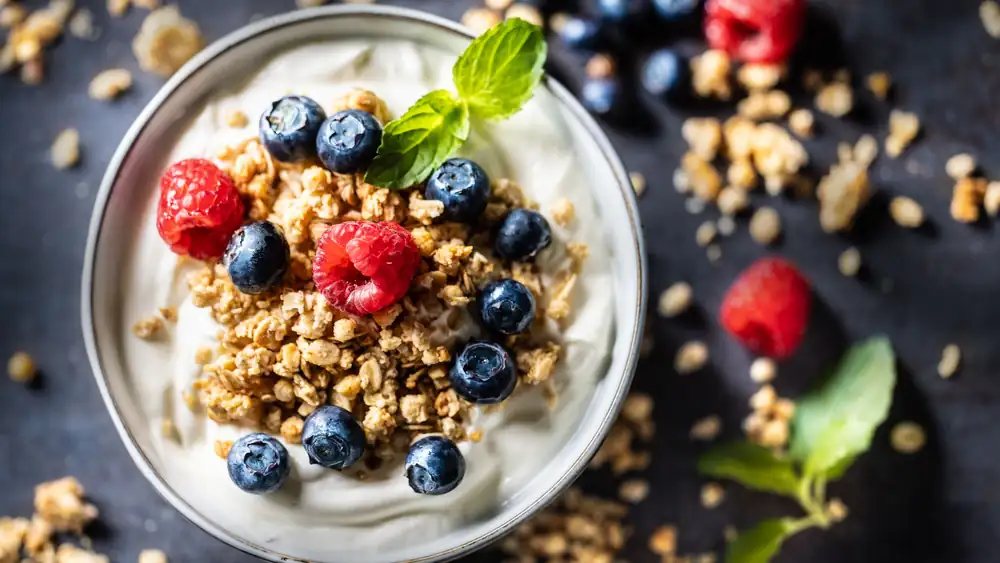
Plain Greek yogurt or kefir with oat flakes, a prune or a small portion of berries, walnuts, and ground flaxseed.
A seasonal fruit, such as an apple, pear, or grapes, accompanied by a small portion of almonds.
Whole wheat spelt with chickpeas, courgettes, cherry tomatoes, and arugula, seasoned with extra virgin olive oil and lemon juice.
Plain plain yogurt or a piece of fruit.
Baked blue fish with fennel and cooked broccoli, accompanied by a small portion of wholemeal bread.