Foods that promote nighttime rest and help restore the circadian rhythm in September
Getting a good night's sleep after the holidays can be challenging. Sleeping poorly, waking up tired, or struggling to fall asleep are common in September.
Returning to routine, after weeks of more flexible hours, late dinners and outings, and unusual habits, can challenge our circadian rhythm, the natural biological clock that regulates the sleep-wake cycle and coordinates the production of hormones involved in rest. When this balance is disrupted, sleep can become lighter and less restorative. To regain well-being, it's important to gradually return to regular schedules, pay attention to sleep hygiene, and not neglect the role of nutrition. Even what we put on the table can help promote relaxation. Certain foods provide nutrients involved in the production of melatonin and serotonin, essential substances for promoting rest and feeling less tired during the day. But what foods help you sleep better in September? And what should you choose throughout the day, from breakfast to dinner, to promote quality sleep and help the body regain its natural rhythm after the holidays? We spoke with Dr. Danila Lombardo, a nutritionist, who explains which foods to focus on to promote a good night's sleep and support the rebalancing of your circadian rhythm.
Circadian rhythm out of whack after the holidays: the causes
"The main causes of 'vacation jet lag' are shifted sleep and wake times," explains nutritionist Danila Lombardo. "During vacation, we tend to go to bed later, wake up later, and often change our sleep schedules every day. Melatonin, the hormone that regulates sleep, is produced when it's dark and when we have regular sleep patterns. If our sleep schedules shift forward, our biological clocks also adjust accordingly. Eating meals at different times also contributes to altering our circadian rhythm. Furthermore, on vacation, the lack of commitments makes daily habits much more flexible, making it more difficult to return to a normal routine."
How does what we eat help us sleep better and rebalance our circadian rhythm in September?
"Diet and sleep are closely linked," explains the expert. "Some foods promote the production of melatonin, while others cause fluctuations in blood sugar and cortisol levels that can keep us awake. What we eat, for example, influences four hormones that are essential for nighttime rest. The first is melatonin, which isn't present in significant quantities in foods, but our body produces it thanks to certain nutrients. Foods such as milk and dairy products, eggs, fish, oats, and bananas promote its synthesis, even better if consumed along with a portion of complex carbohydrates. Then there's serotonin, which promotes relaxation and a good mood during the day. Complex carbohydrates, such as potatoes, brown rice, oats, and whole-wheat pasta, especially support its production. And finally, cortisol and insulin. Blood sugar spikes increase both hormones, hindering relaxation. For this reason, it's advisable to limit alcohol, sweets, fried foods, and rich evening menus, especially in the afternoon and at dinner."
What should you eat at night to sleep better and wake up more rested?
Dinner is our body's "off switch." To sleep better and wake up feeling rested and energetic, your evening meal should be light, with protein and complex carbohydrates, and should be eaten three or four hours before bed to aid digestion and keep blood sugar levels stable.
One or two glasses of water as soon as you wake up, Greek yogurt or cow's or plant-based milk, oat flakes, and a piece of fruit.
An apple or a pear, or ten almonds or a square of dark chocolate.
Whole-wheat rice or pasta with legumes and vegetables to taste, or chicken breast, turkey, or fish with 200 grams of baked potatoes and salad, always with a tablespoon of extra virgin olive oil.
Drinkable kefir or low-fat yogurt with two or three whole-grain crackers; or carrot sticks with two tablespoons of hummus.
Fish, meat, eggs, or cheese with vegetables and a slice of whole-wheat bread, always with a tablespoon of extra virgin olive oil.
A chamomile or lemon balm herbal tea and, if you're still hungry, a small banana.
Which seasonal foods in September promote relaxation and improve the quality of your night's sleep?
After the summer holidays, it's helpful to bring foods rich in tryptophan, magnesium, potassium, B vitamins, and antioxidants to the table—nutrients that support the circadian rhythm and promote deeper, more restful sleep. "In September, our bodies need foods that help slow down after the summer. Fewer simple sugars and more foods rich in magnesium, tryptophan, and other nutrients that promote the natural production of melatonin," says the expert, who suggested 10 foods that promote a good night's sleep and help restore the circadian rhythm.
"They're rich in potassium and magnesium, minerals that promote muscle and nervous system relaxation. They also provide tryptophan, which promotes the production of the hormone serotonin."
"Grapes, especially black grapes, contain resveratrol and other antioxidants that can help improve sleep quality, as well as small amounts of melatonin."
Prickly pears provide magnesium, which helps reduce evening cortisol levels, and good amounts of vitamin C, which helps counteract oxidative stress. Thanks to their high water content, they also promote good hydration, essential for overall health and well-being.
«They are rich in tryptophan, magnesium and calcium, three essential nutrients for the synthesis of melatonin».
"They're among the few plant-based foods that naturally contain melatonin. They also provide omega-3s, fats that promote the quality of REM sleep and help reduce anxiety."
"It's rich in magnesium, potassium, and vitamin B6, which is essential for converting tryptophan into serotonin and then melatonin. It's also light and easily digestible, making it ideal for dinner."
"They provide high amounts of magnesium and folate. Magnesium promotes nervous system relaxation, while folate supports serotonin production."
"It contains serotonin, vitamin C, and numerous antioxidants. Eating two kiwis about an hour before bed can promote longer, better-quality sleep."
"Thanks to their complex carbohydrates, they facilitate the passage of tryptophan into the brain. They also provide potassium and vitamin B6, which are also useful for preventing night cramps."
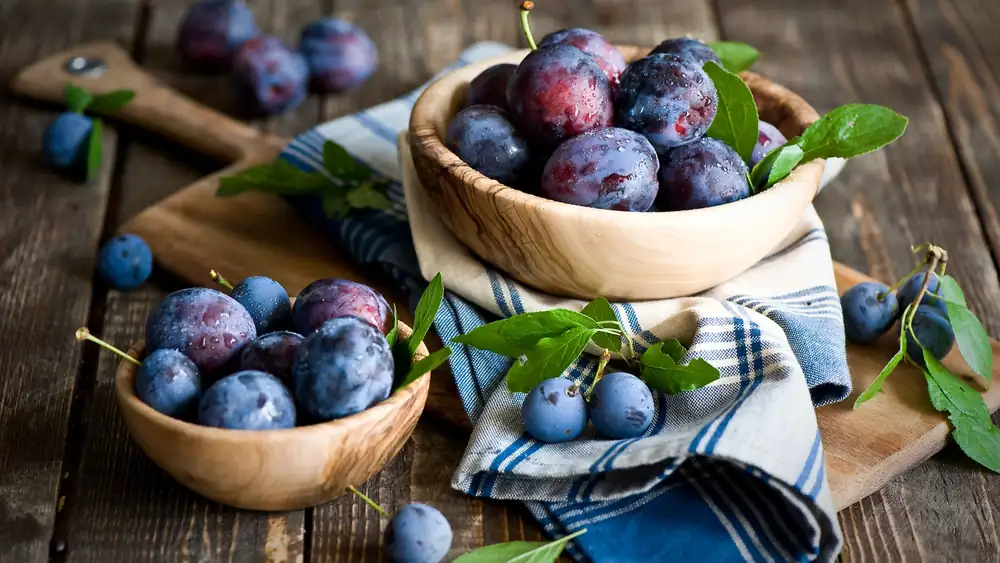
"They contain melatonin, fiber, and magnesium. Fiber promotes intestinal health, and three or four fresh or dried plums eaten as a snack can help promote relaxation."