
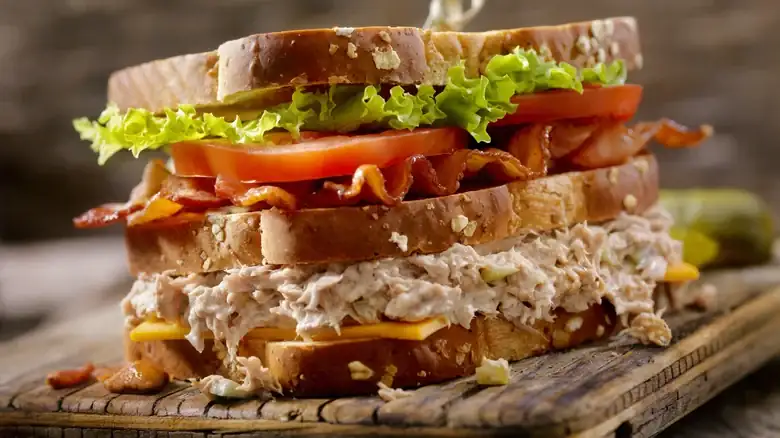
The fluffy bread that will change your tuna sandwiches forever
Different types of bread are better suited to certain dishes than others. Potato buns are ideal for burgers and greasy sandwiches, as they are soft yet hold their shape, while sourdough bread is perfect for a crispy grilled cheese sandwich.
Different types of bread are better suited to certain dishes than others. Potato buns are ideal for burgers and greasy sandwiches, as they are soft yet hold their shape, while sourdough bread is perfect for a crispy grilled cheese sandwich. On the other hand, to enjoy the most delicious tuna salad sandwich, you need a much softer bread than sourdough, and the most comforting option of all is undoubtedly Japanese milk bread.
Known as shokupan in Japanese, these soft, fluffy, cloud-like rolls are slightly sweeter than regular white bread. Their subtle sweetness pairs perfectly with a delicately creamy and flavorful tuna filling. Furthermore, their airy texture not only complements the mildness of the canned fish but also provides a delightful contrast to crunchy toppings like chopped celery, spring onion, or bell pepper. Just as Japanese egg sandwiches are superior in every way, the tuna version will surprise you.
The secret to achieving the soft, buttery texture of milk bread lies in a technique known as yudane, where flour is whisked with boiling water or milk. The result is a fluffy bread, but not as soft as brioche, so it holds its shape even if the tuna salad has a thinner consistency. By varying the bread, you can take your lunch to the next level, and with a few more tweaks, you can make it even more special.
How to prepare and serve a Japanese-style tuna sandwich
You can find milk bread in some Japanese or Asian stores and bakeries, or you can bake it yourself if you prefer. To make your tuna sandwich more like a tasty Japanese sando (short for sandoitchi, meaning sandwich), it's worth making a few changes to the filling and presentation.
A distinctive feature of sando sandwiches is that they don't have crusts, unlike traditional English tea sandwiches. Carefully trim the crust from each slice of bread to create perfect white squares. This results in a soft, fluffy treat with every bite, free of any chewy bits. Don't throw the crusts away; you can coat them with melted butter and sugar and bake them for a delicious, crispy snack.
While American-style tuna salad features crunchy ingredients, from vegetables to potato chips, tuna sandwiches are much simpler. The filling typically consists of just tuna, mayonnaise, salt, pepper, and perhaps some chopped onion. With so few ingredients, make sure they're good quality. Choose a premium brand of canned tuna and try Kewpie mayonnaise, a Japanese brand made with more egg yolks for a richer flavor. Finally, cut the sandwiches into rectangles rather than triangles for a look reminiscent of a Tokyo convenience store.