Fruit Logistica Unifies Fresh Produce Innovation Formats in Berlin for 2027
The 2027 edition of the Berlin trade fair will centralize its product development showcases, tracing the lifespan of agricultural innovations from initial market entry to established kitchen utility.
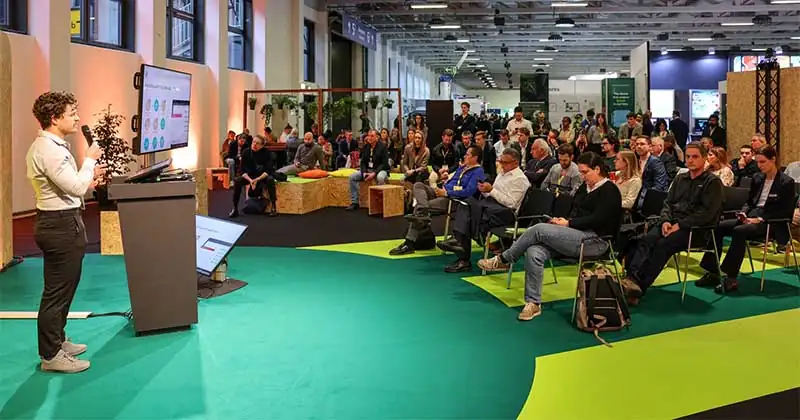
From February 3 to 5, 2027, Fruit Logistica in Berlin will introduce a centralized Innovation Zone in Hall 3.2. This new ecosystem merges the fair’s primary development formats under a single operational roof.
The zone operates under the mandate of tracing a product’s entire commercial journey. It houses the Fruit Logistica Innovation Award for items on the market for less than twelve months, alongside the Fruit Logistica Innovation Showcases for solutions that have proven their viability over one to three years.
This structural shift alters how a buyer or chef encounters new produce. Rather than scanning disparate booths for a stabilized citrus variety or a novel post-harvest technology, the industry now has a designated floor plan for agricultural evolution. The award will now be presented on the first day of the fair, setting the immediate tone for the event.
"Innovations have always been a fundamental component of Fruit Logistica," said Christina Freier, project director. "With the new Innovation Zone, we are offering them a common space for the first time, providing a central platform to present developments to an international specialist audience, establish valuable contacts, and sustainably increase market visibility."
For the diner who expects a specific texture in a winter peach at a neighborhood bistro, or the sommelier relying on the consistency of a new grape rootstock for a reserve bottling, this consolidation matters. It means the gap between an agricultural breakthrough and a kitchen’s receiving dock is mapped with greater precision. The showcases will allow producers to demonstrate practical, post-launch success directly to those who specify the weekly order.
This reorganization is worth the journey to Berlin for procurement directors and executive chefs who build their menus around agricultural novelty. It removes the guesswork from sourcing, placing the untested and the proven side by side for direct evaluation.
A market matures not by generating endless novelties, but by creating a structured environment where those novelties are tested, validated, and ultimately absorbed into daily practice. By mapping the lifespan of an innovation, the fair acknowledges that a product’s true value is proven only after it survives the friction of the real world.