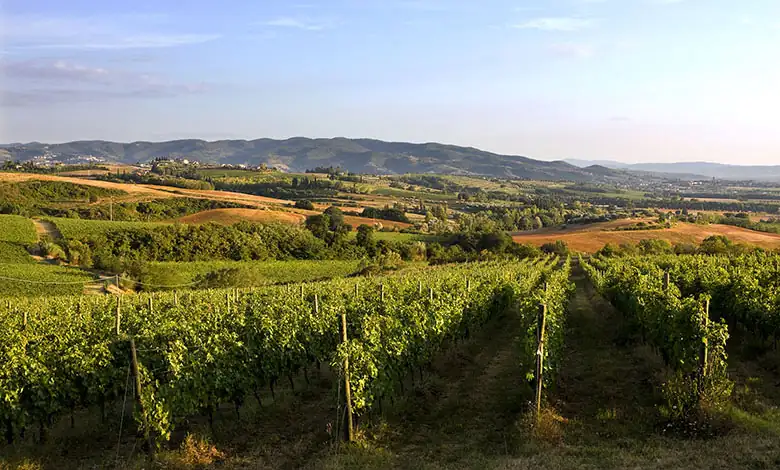
Lungarotti presents Project 1962: Umbria's wine region looks to the future through its roots
In the Italian winemaking scene, there are companies that, to continue evolving, choose to innovate by building on their own history. This is the path taken by Lungarotti, which with its new Progetto 1962 inaugurates a phase of renewal intended to involve wines, corporate image, communication, and hospitality.
The initiative marks the start of what the company calls its fourth life cycle, a journey born from in-depth analysis and reflection begun in 2024. The result is a vision that aims to enhance Umbrian identity as a distinctive and universal element, proposing a lifestyle based on authenticity, balance, and slowness: elements at the heart of Italian culture and envied worldwide.
Lungarotti's new strategic direction revolves around a specific concept: to make Umbria not just a production region, but a cultural model to be told through wine.
Pristine landscapes, long-standing traditions, and a more measured pace thus become an integral part of the company's message. The winery's vision is ambitious: to help "slow down people's lives" by exporting typically Umbrian values and atmospheres to the world. From this idea, a mission is born, focused on producing wines that are territorial, classic, and respectful of their origins, capable of expressing a solid and recognizable regional culture.
The project's name recalls a key date in the company's history. 1962, in fact, marks the first vintage of Rubesco and Torre di Giano, the two labels that helped shape Lungarotti's identity and which are now being reinterpreted in a new guise. Thus were born Rubesco 62 and Torre di Giano 62, wines that retain their ties to the company's tradition while presenting themselves with a modernized stylistic profile. The goal is to offer a tasting experience characterized by greater immediacy, freshness, and versatility, while maintaining a connection to their terroir.
- Project 1962 is just the beginning of a three-year strategic plan aimed at bringing Umbria and its slow lifestyle to the world,” explains Chiara Lungarotti, the company's CEO. “A journey marked by concreteness, elegance, authenticity, and a connection to the territory. As a company, as a family, as representatives of a unique region, we feel a duty and pride in representing our land around the world. And we do so with what best expresses us: a timeless wine, capable of speaking to the present. Intended for the Horeca channel, the new wines aim to engage with contemporary consumers without sacrificing the heritage that has made them iconic of Umbrian viticulture.
The project is based on a revamped production style that develops along three pillars: taste, image, and communication. From an enological perspective, the focus is on enhancing the varietal characteristics of grape varieties considered resilient to climate change, particularly Sangiovese and Trebbiano. Harvest is slightly earlier than in the past, and winemaking practices are geared toward expressing the terroir's identity even more precisely. Technical measures adopted include lower fermentation temperatures for the red wines, aimed at limiting extraction, and extended aging on the lees for the white wines, a choice that helps define their structure and personality. The project's visual language also draws inspiration from the company's history. The new labels revisit the aesthetic of the early 1960s, reinterpreting it through a simple, timeless design. The same philosophy is applied to communication, which combines the past and the present in a narrative built on the intersection of tradition and the future. The goal is not to nostalgically celebrate the past, but to use it as a tool for dialogue with the present.
The decision to begin in 1962 takes on a special significance within the Lungarotti family's long history. The family's presence in the Middle Tiber Valley dates back to the late 18th century, when agricultural activity already included the production of wine, oil, and other local specialties. The true leap in scale, however, occurred in 1962 thanks to the vision of Giorgio Lungarotti, who initiated a development process that would take the company beyond regional and national borders. After his passing in 1999, a new generation led a modernization process characterized by the replanting of vineyards, the modernization of production facilities, and a growing focus on sustainable practices. Today, Progetto 1962 marks a new stage in this journey, reaffirming the brand's identity through an updated interpretation of its founding values.
The transformation isn't just about wines. Lungarotti has embarked on a broader organizational transformation, welcoming new professionals and introducing digital tools to strengthen its dialogue with the public. At the same time, the focus on hospitality is growing. The completely renovated Enoteca della Cantina joins the group's other facilities, including the Poggio alle Vigne farmhouse and the Osteria del Museo, located next to the Wine Museum.
All these initiatives reflect a desire to convey the values the company considers intrinsic to Umbrian culture: concreteness, resilience, generosity, and elegance. With Progetto 1962, Lungarotti therefore chooses to reinterpret its historical heritage not as a point of arrival, but as the foundation from which to build the future. A bridge between memory and innovation that places wine at the service of a broader story: that of a region and its way of life.
We now come to our usual point of view on the two wines offered by the company.
White from Torgiano Torre di Giano 62 2025
The two cultivars, Trebbiano and Grechetto, are grown in the company's eponymous vineyard, characterized by deep clay soils capable of storing significant water reserves. The free-run must is processed in the absence of oxygen and vinified in cement vats. The color is quite vibrant, reminiscent of citron peel. On the nose, I find rather fresh and lively aromas, reminiscent of nectarine and mandarin, enhanced by floral touches of acacia and hawthorn. With a little oxygenation, a lovely bouquet of aromatic herbs emerges. On the palate, I find all the essence of the two varietals, characterized by the light "aromatic" quality of the Grechetto grape and the crisp acidity of the Trebbiano, in a crescendo of savory flavors that demonstrates the potential of this historic family cru.
Red Torgiano Rubesco 62 2023
Made from Sangiovese grapes grown in the highest and most suitable areas of the historic vineyards that gave birth to this renowned winery around 1962. The soils are medium-textured and deep, with good structure and a calcareous subsoil. Rubesco is vinified in stainless steel, macerating on the skins for approximately 20 days; the wine completes its aging in barrels for twelve months. In the glass, it presents a lively ruby color with violet highlights; medium consistency. The nose is intense, yet not exuberant, slowly gaining complexity: violet, squeezed black cherry, blood orange zest, and an intriguing interplay of sweet spices and undergrowth. On the palate, it's equally impressive: persuasive, lively, and textured, yet lean and never overpowering. A red that finds its maximum splendor when served at 14-16 degrees, in my opinion.