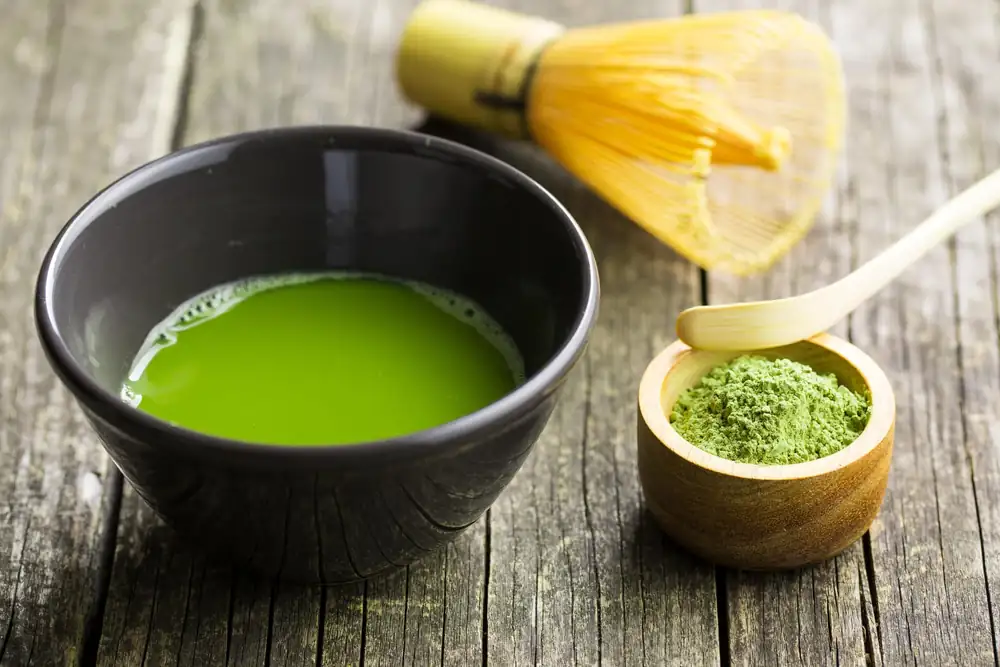
Matcha trend in Italy: fad or future of taste?
From Asia to our coffees: matcha conquers Italy, between wellness trends and ancient tradition.
Matcha tea is enjoying a surge in popularity in Italy, spreading from specialty cafes to supermarket shelves, and even onto the menus of traditional coffee shops. This once niche, chlorophyll-rich beverage is now in the spotlight, but is it just a passing fad or a lasting presence in the Italian food and wine scene?
A growing trend
The popularity of matcha is evident everywhere: social media is flooded with videos showing the preparation and consumption of this beverage. Large coffee chains have promptly added hot and cold matcha options to their menus, and powdered "green tea" has also made its way into supermarkets, both in capsules and powder form. Italian consumers' growing interest in healthier alternatives to coffee has contributed to this expansion, with a notable increase in demand, especially in urban areas. Matcha offers greater variety and significant health benefits, making it an attractive alternative to traditional coffee.
The Roots of Matcha and Its Evolution
Matcha is nothing new. Its history dates back about 1,300 years in China, and it was introduced to Japan in the 12th century by the Zen monk Eisai. There, monks discovered that drinking this green beverage helped them stay alert during long meditation sessions. Over the past 800 years, the Japanese have perfected its cultivation and production.
Globally, the matcha market is estimated at $4.3 billion and is expected to double by 2032. This growth is not surprising, given that matcha is perceived as an excellent alternative to coffee. It contains caffeine, but in a healthier form thanks to L-theanine, an amino acid that moderates its release into the system. This translates into calm, focused energy, without the typical highs and lows of coffee. Furthermore, matcha is rich in chlorophyll and antioxidants. Its versatility is another strong point: in Japan, it is used in a wide range of products, from sweets to shampoo, and in Italy, many variations are already found on café menus.
Clarity on the “ceremonial rank”
As matcha's popularity has grown, the idea has spread that only "ceremonial grade" is superior. However, there is no official "ceremonial grade" distinction in Japan. Japanese experts identify matcha quality based on the farm of origin, not a standardized classification. The finest matcha is grown in the shade for the longest periods and produced from the first harvest of the season, using the youngest, most tender leaves. These leaves are hand-picked, stripped of veins and stems, and then stone-ground into a fine powder, a process that limits production to just 30-40 grams per hour. The result is a bright, neon green tea with a smooth, creamy texture and a naturally sweet, umami flavor without bitterness.
The term "ceremonial grade" is an unregulated Western term, meaning quality can vary greatly. Culinary grade matcha, on the other hand, is produced from later harvests, using older leaves that have a stronger, more bitter flavor. Although less refined and duller in green, its robust profile makes it ideal for cooking and baking, especially when paired with milk, sugar, or butter.
In Italy, as in the rest of the Western world, a simplified classification has been developed between "ceremonial grade" (which includes a range of decent qualities, not all suitable for a traditional ceremony) and "culinary grade" (everything else). It's important to understand that the goal isn't necessarily to buy the most expensive matcha, but rather a quality matcha that offers the distinctive green color and an authentic, clean flavor.
How to recognize a good matcha
There are a few indicators for evaluating the quality of a good matcha. Matcha powder should be a vibrant or dark green color, with no yellow or brown hues. Origin is crucial: make sure it's Japanese. As for taste, a good matcha should have low astringency and low bitterness, with a rich umami flavor. Cheaper varieties tend to be less effective at masking the bitterness. The texture should be silky and fine, similar to talcum powder, and the aroma should be fresh and slightly sweet.
The future of matcha in Italy
Matcha isn't considered a mere fad. Its functionality—a healthier caffeine delivery system—makes it here to stay. The market is rapidly evolving, with consumers demanding higher quality and better flavor. There's still plenty of room for growth in Italy: although it's present in many cafés, it's not yet an everyday choice in every home, and its culinary applications are just beginning. Matcha resonates with the Italian public because it offers a balance between form and function: it's rooted in tradition, yet feels modern. It's gently and consistently energizing. Its aesthetic appeal and association with well-being have certainly contributed to its visibility on social media, but its enduring popularity stems from a deeper connection: the way it makes people feel—a sense of purpose, elevation, and belonging to something meaningful. Ultimately, matcha is much more than just an attention-grabbing color.