BEER – In the spring, the Paris Beer Festival will feature innovation, new locations, and alcohol-free creations
From Paris to Belgium via Pas-de-Calais, beer industry players are multiplying projects: a revamped open-air café at the port of Bercy, experimental microbreweries, anniversary vintages, alcohol-free or gluten-free alternatives, and major events dedicated to craft beer in Île-de-France.
Paris Beer Festival: craft beer back in the spotlight
The Paris Beer Club is once again organizing the Paris Beer Festival. Formerly Paris Beer Week, now a must-attend event for craft beer enthusiasts, will hold its thirteenth edition from March 25th to 29th, 2026, with various events taking place throughout the Île-de-France region. A tasting event, the Grand Final, will conclude the festival on May 30th and 31st at Ground Control in Paris's 12th arrondissement.
In a context where two out of three independent breweries are currently experiencing severe cash flow problems, according to the National Union of Independent Brewers, a third of the participating breweries will be attending the festival for the first time. Ten of them are less than three years old.
Several beer-specialized bars (L'Atalante, la Taverne des Korrigans, le Supercoin, Hoppy Corner …) will organize several evenings, while 200 beers will be available for tasting at the Grand Final, according to an original economic model consisting of sharing the turnover between the exhibiting brewers and the association.
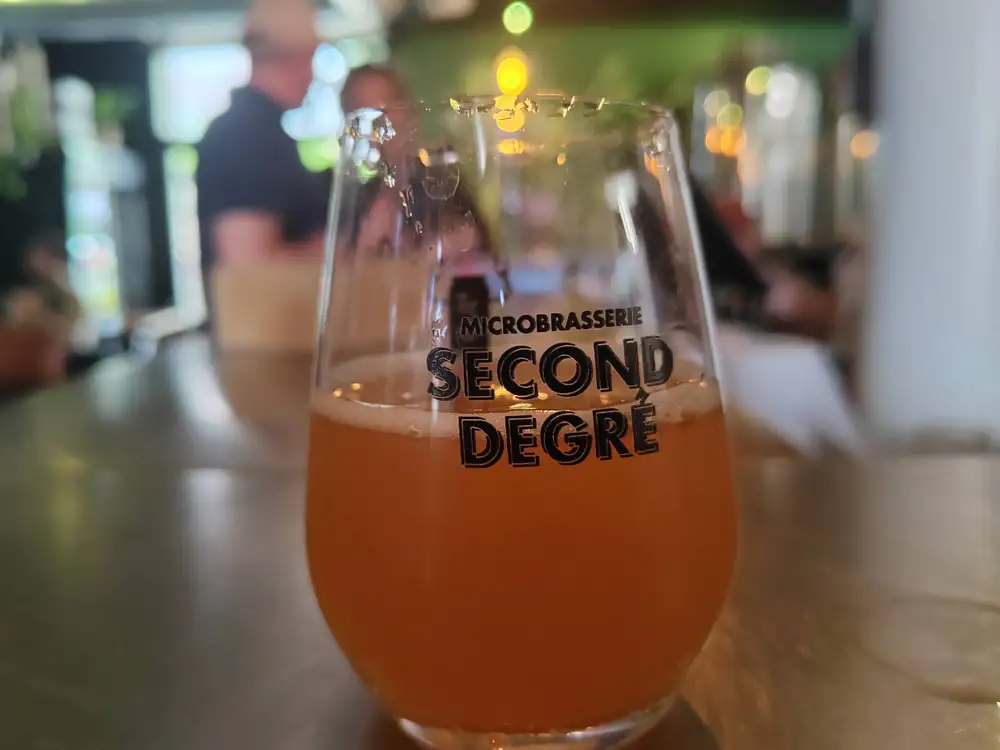
Second Degree: Experimentation at the heart of new beers
In Magny-le-Hongre (Seine-et-Marne), the Second Degré microbrewery has launched Don Ralapenio (5.7%), a grapefruit gose. Its aroma is very pronounced, with notes of citrus and the heat of jalapenos. On the palate, it is intensely powerful, with a strong chili flavor, which may come as a surprise. The beer is also smooth and very mellow. A fine example of style.
Le Remède, an imperial stout (10%) served in a gallopin or half-pint, is distinguished by its beautiful creamy foam, and its very roasted character, giving pride of place to coffee and spices.
Patoche: New beers for the season
In Paris's 18th arrondissement, the Patoche microbrewery has finalized the recipe for its IPA, Ipatoche (6.5%). Version 24 (Citra and Mosaic hops) boasts a deep, intense yellow color and a very orange aroma. A lager yeast (more neutral than an ale yeast) was used. The texture is smooth (peach skin). On the palate, a touch of acidity complements a rather bitter profile.
In collaboration with La Truite brewery (Yonne), Mission K6 (4%) is an Irish Red Ale brewed with blackcurrant buds, giving it a very pleasant and distinctly fruity aroma. On the palate, it has a slightly vinous character. Notes of gingerbread are also discernible. As for Parigose (5%), brewed in collaboration with Brasserie du Grand Paris (Seine-Saint-Denis) and incorporating grapefruit, raspberry, and sansho berries, it is quite juicy.
Paname sur Seine: the new stopover for the port of Bercy
In Paris's 12th arrondissement, after four years as the Cargo Container Bar, the summer bar at the Port of Bercy has been redesigned. Previously operated by the O'Sullivans group, it now also benefits this year from the involvement of the Corsican Beverage Group, owner of Pietra, which has brought together the Parisian breweries Demory Paris and Paname Brewing Company. The result is Paname sur Seine, sporting the beer brand's new visual identity.
In addition to DJs, the container-based venue, open Wednesday through Sunday from May 13th to October, features various events such as running clubs and drag queen bingo. Four beers are available (East Paris lager, Barge du Canal IPA, L'Arme Blanche American wheat beer, and Prodige non-alcoholic IPA from Demory). A sign of a new shareholder is the addition of a spritz with Corsican influences: Mattei red or Mattei white wine, prosecco, and soda water.
Most notably, the food offerings have been revamped: beetroot tzatziki, tirokafteri (feta, red peppers, cayenne pepper, charcuterie and cheeses), and sandwiches. Prices at this after-work spot remain a bit high.
3 Brasseurs: an anniversary vintage for 40 years
To celebrate its 40th anniversary in 2026, the 3 Brasseurs brewpub chain is launching Blanche de Lille, an updated version of its original beer, first introduced when it was founded in 1986. It has an ABV of 5.6%, a bitterness of 17 IBU, and a light color of 7 EBC. The recipe incorporates wheat, hops from Flanders, and a yeast with spicy and citrusy notes. It has been available since April 2nd in the chain's restaurants on tap, in 75cl bottles, and in 33cl cans, and pairs well with dishes such as seafood sauerkraut or a Big Ben burger.
Brasserie Castelain: The Ch'ti reinvents itself without alcohol
In Bénifontaine (Pas-de-Calais), the Castelain Brewery has launched Ch'ti 0.0%. This alcohol-free blonde beer is brewed using vacuum dealcoholization. It has a golden color and notes of grain and flowers. Very approachable, it's milder than the classic Ch'ti, but will certainly appeal to lager lovers thanks to its silky texture, which places it among the best non-alcoholic beers. We particularly enjoyed its delicate effervescence.
“Ch'ti had to maintain its focus on craft beer. Our concept of alcohol-free is to be completely alcohol-free, at 0.0%,” explains Nicolas Castelain, the managing director of the family-owned SME. Dealcoholization can lead to a loss of aroma, and to avoid this pitfall, the brewery created a specific recipe, developed in advance. Packaged in 6x25cl packs for supermarkets, it reflects a market trend marked by a desire for moderation and a diversification of consumption occasions.
Brasserie Dupont: a new gluten-free beer
In Belgium, Brasserie Dupont has launched Fomo, an organic and gluten-free beer with an alcohol content of 6.7% and a bitterness of 27 IBU. It is brewed using 30% buckwheat malt and 5% oat malt, combined with a deglutenization process using natural enzymes to guarantee a gluten level below 20 ppm. This top-fermented ale is characterized by a dry profile and fruity notes. Distributed in 33cl bottles through specialty stores and supermarkets, it aims to offer a tasting alternative for consumers with sensitivities.
Excessive alcohol consumption is dangerous for your health. Drink in moderation.