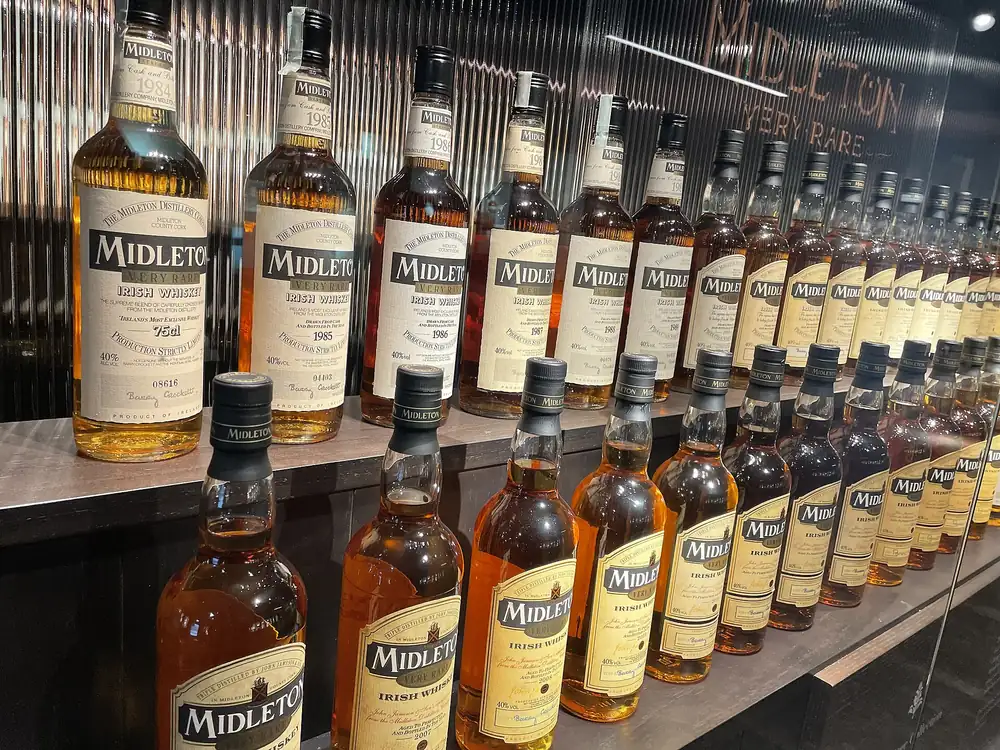
Old and Rare Whisky in Australia and What Serious Collectors Look For
It’s a very easy whisky market to watch from the outside: The older the bottle, the higher the price.
The story and condition of a bottle can be as significant as the contents to the collector. Sometimes a younger single-cask bottling may be significantly more difficult to replace than an older single whisky originally bottled in many more casks. So, it’s more important to know why than just how old a whisky is for an Australian buyer.
Rare Whisky Is Not Necessarily Old Whisky
An age statement tells you the lowest age of the spirits in the bottle. It is not a measure of the number of bottles that were put into production, the length of its chain of production, or its importance in the distillery’s history. Thirty years is not a very long time for a whisky. Attaining 30 years of age is not unusual for a whisky! Then again, a handful of hundreds of bottles may originate from just one cask, and when they have been opened or transferred to private bottles, the same whisky can not simply be reproduced. This distinction matters to collectors and those interested in serious drinking. Well-informed buyers do not rely on a single number; they consider several characteristics before deciding what makes a bottle truly valuable or distinctive.
The Real Measure of a Whisky’s Worth to the Experienced Whisky Buyer
Scarcity is a first step that is obvious. When demand is greater than the limited supply, numbered releases, single casks, discontinued expressions, and similar releases may become hard to come by. However, there is no guarantee that scarcity will be an attribute of desirability. Once a distillery is known and has a house style, there will be more collector markets for it, and the more it has been followed internationally, the better. Some of the producers like The Macallan and Springbank, as well as some highly coveted Japanese producers, can catch the eye of many beyond their places of origin.
As prices go up, provenance becomes more of an issue. Purchasers need to be assured of the contents and origin of a bottle. Bottle numbers, cask numbers, certificates, presentation cases, and supporting documentation can all assist depending upon the release. The other important factor is condition. Various factors can affect the collector appeal of a fill level, closure integrity, label condition, and original container. For anyone looking for tips for collecting, these details can make a meaningful difference when assessing a bottle’s long-term appeal. Whisky doesn’t continue maturing after it has been bottled. The key to proper storage is therefore protecting the liquid; it’s all about the seal, label, and package, and not so much about the ageing.
Case Study – Why Closed Distilleries Create Genuine Scarcity
Whisky from closed, or so-called “silent”, distilleries provides a particularly clear example of how genuine scarcity develops. Historic names including Port Ellen, Brora and Littlemill have attracted substantial collector interest because their original production ceased and surviving stocks became finite. The economics are straightforward: once remaining whisky from a historic period has been bottled and consumed, the distillery cannot simply produce another cask from the same era. That does not mean every bottle carrying the name of a closed distillery automatically becomes valuable.
Reputation, quality, provenance, condition, age, and collector demand continue to matter. What changes is the supply equation. There is a genuine endpoint. It is precisely the type of distinction professional buyers consider when separating whisky that is merely uncommon from releases with greater historical significance. In the beer world, collectors and enthusiasts can make similar judgments by looking beyond rarity to factors such as a brewery’s history, limited production, vintage, barrel-aging program, and the condition of a particular release.
Single Casks Offer Another Form of Rarity
Single-cask whisky presents rarity differently. Rather than combining whisky from multiple casks to create a consistent distillery style, the bottling comes from one individual cask. The available volume is therefore inherently restricted, and the flavour can differ noticeably from the producer’s standard range. For enthusiasts, that individuality can sometimes be as interesting as age, much like the distinct character found in barrel-aged drinks.
Distillation date, cask type, bottling strength, cask number and bottle number all begin to tell a much more specific story about exactly what is being purchased. Similar principles apply to discontinued or unusual market-specific releases. A bottle may become interesting because it captures a production style, cask policy, packaging format or period in a distillery’s history that no longer exists.
Decide Why You Are Buying Before Choosing the Whisky
One of the most practical pieces of advice for anyone entering the old and rare whisky market is to decide what the bottle is actually for. Someone buying whisky to drink may prioritise distillery character, flavour profile and maturation. A collector is more likely to weigh scarcity, provenance, condition and historical importance. For a significant gift, a birth year, anniversary vintage, meaningful age statement or favourite distillery may be considerably more important than theoretical investment potential. This is also where specialist experience becomes valuable.
Skull & Barrel brings more than 15 years of private whisky buying and selling experience to its selection of collectable bottles, providing practical exposure to the characteristics, releases and conditions encountered in the Australian secondary whisky market. Australian buyers looking beyond standard retail releases can explore Skull & Barrel’s old and rare whisky collection, including aged single malts, single-cask bottlings, discontinued releases and other collectable whiskies. Ultimately, one of the most useful rules in whisky collecting is also one of the simplest:
Buy The Bottle, Not The Age Statement.
Rarity, provenance, condition, and reputation, combined with historical significance, make a whisky more interesting than just an old bottle. It turns into a limited quantity of the distillation of history. Collectors can share that feeling when they carefully preserve a vintage bottle, admire a limited edition or a hard-to-find barrel-aged release, and learn about the production history and condition of a bottle that enhances the bottle’s value beyond the brew day.