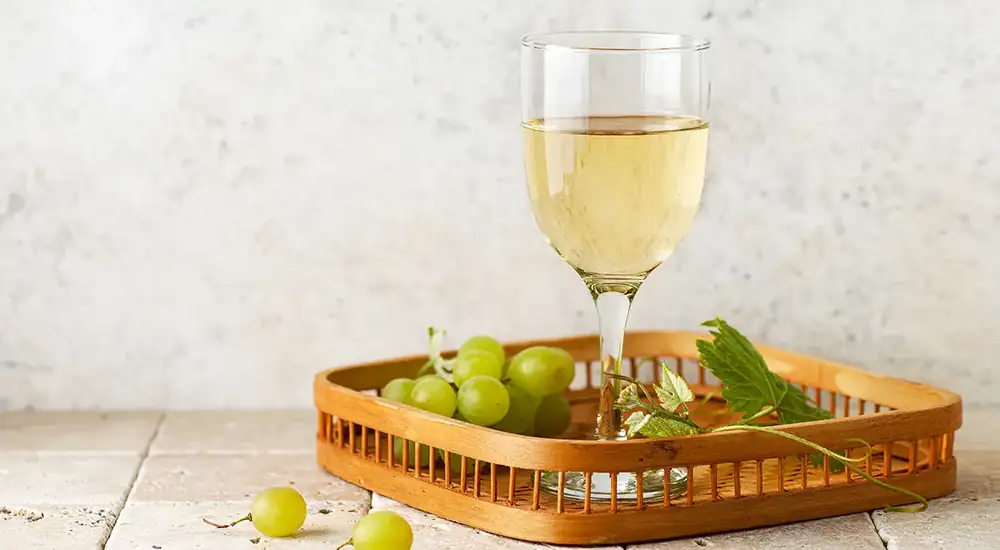
Homemade semi-sweet white wine
Prepare three three-liter jars and three medical gloves.
Step 1
Prepare three three-liter jars and three medical gloves. Carefully separate ripe grapes from their stems, sort thoroughly, removing any rotten fruit, but do not wash them.
Step 2
Place the grapes in one or two enamel saucepans (depending on the volume). Mash thoroughly with your hands or a wooden pestle to release the juice from each berry.
Step 3
Cover the containers with the future wort with several layers of clean cheesecloth. Place them in a warm place (room temperature is also acceptable, but no lower than 20°C) for five days to initiate the fermentation process.
Step 4
Stir the grape mixture with a wooden spatula two to three times daily. After five days, strain the fermented grape juice through a fine sieve.
Step 5
Pour the juice into the jars, filling them no more than three-quarters full to leave some headspace for the foam. Place a medical glove over the neck of the jars and secure it securely. Make a couple of small punctures in the fingers.
Step 6
Place in a dark place for 3 weeks. Check the juice periodically. A sure sign of complete fermentation is a deflated glove. After this, the wine should be racked off the sediment.
Step 7
Remove the glove from one jar. Insert a silicone straw, making sure it doesn't reach the sediment. Place the jar on the table. Place a clean, large jar or bottle below (on a chair or even on the floor). Lower the other end of the straw into it. The juice will flow into the clean jar. Do the same with the remaining young wine.
Step 8
Add sugar (approximately 100 g per liter of wine). Stir to dissolve. Put the glove back on the jar and leave the wine for 3-4 weeks. The glove should deflate again. Drain the wine from the sediment using a straw.
Step 9
Add the remaining sugar and repeat the process described in the previous step. Repeat this process until almost no sediment remains. Your homemade semi-sweet wine is ready.
Offering guests a fine wine made with your own hands is a special pleasure. It's a joy to watch them admire the color of the drink in the glass, inhale the aroma, and savor every nuance of its flavor. Making wine from grapes at home—and producing something that will impress even the most discerning connoisseurs—is entirely possible.
Apple cider is a fermented beverage with a vibrant flavor and natural character. It can be made at home, even without special equipment. Together with spirits expert Stas Vasin, we explored the entire process: from apple selection to aging. This article includes step-by-step instructions, serving tips, and a homemade cider recipe. It's suitable for both first-timers and those looking to take it further.
What can you make from grapes for the winter at home? Jams and preserves, grape juice or compote, aromatic wine, and even vinegar that no expensive store-bought one can compare to. A wide variety of grapes are suitable: light and dark, seedless and seedless. Our selection features golden recipes for winter preserves, simple to prepare and 100% delicious.
Most wines are made from white and red grape varieties. But if you think you can just go to the market during the season, buy some juicy sultanas, and make wine, we're sorry to disappoint you: it's not that simple. We'll explain the differences between wine and table grapes and how to choose the perfect variety for home canning.
Many residents of the southern regions of our country make homemade grape wine, and everyone considers their own method to be the best and most "correct." Becoming a professional in this field is certainly not easy, but mastering the art of making drinks for the family table is not difficult. The main thing is to find good grapes, prepare the appropriate equipment (spoiler: nothing special), and be patient enough to allow the fermentation process to complete. Then, on a cold autumn or winter day, you can warm up with a glass of aromatic homemade wine or host a tasting for friends.