Milk deliveries fall 3.7% as dry, cold weather triggers supply squeeze
NAIROBI, Kenya, SEP 1-Milk deliveries to processors have fallen by 3.7 per cent as dry and cold weather hits production in key dairy-producing areas, triggering temporary supply constraints in parts of the country.
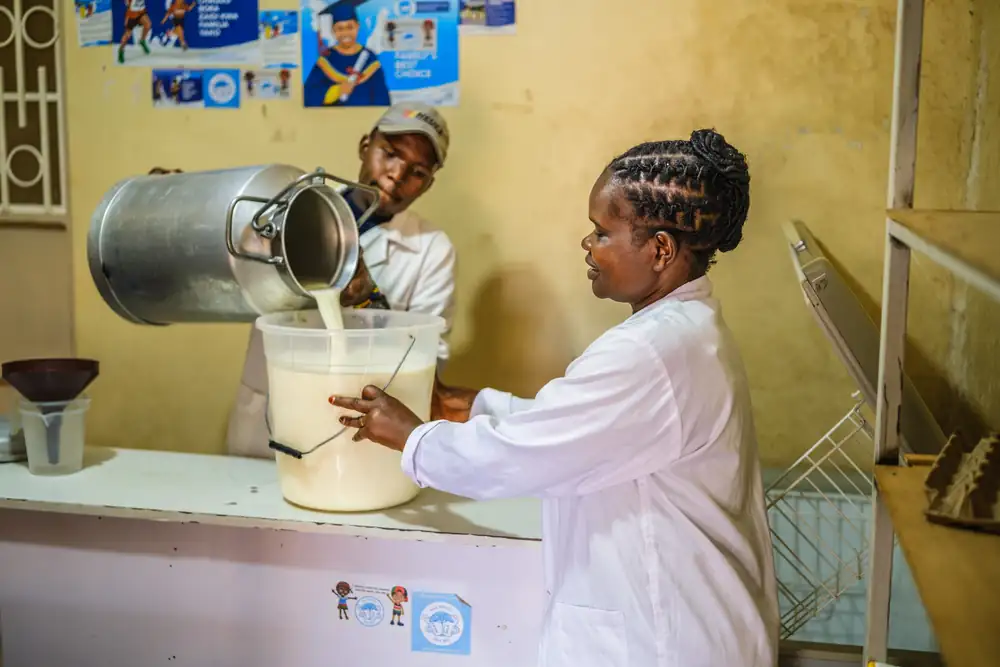
“Retail milk prices remain generally stable, although some upward price movement has been observed in parts of the country experiencing supply constraints,”
The Kenya Dairy Board (KDB) said formal milk deliveries declined from 84.4 million litres in June to 81.3 million litres in July, with preliminary indications pointing to a further decline in August. The drop has resulted in varying levels of milk shortages across the country, with some retailers reporting low stocks, reduced availability of certain brands and pack sizes, and delays in replenishing supplies.
Pasteurised milk has been the most affected, while long-life milk, including extended shelf-life (ESL) and ultra-high-temperature (UHT) milk, remains relatively more available. Despite the supply constraints, the Board said milk remains available in the market and retail prices have generally remained stable.
“Kenya Dairy Board wishes to reassure the public, consumers and dairy industry stakeholders that milk continues to be available in the market, despite temporary supply constraints being experienced in some parts of the country,” the Board said in a statement issued on Tuesday. The Board attributed the current supply pressures largely to seasonal production conditions, particularly dry and cold weather in key milk-producing regions. Milk production typically comes under pressure when pasture and fodder availability declines, affecting the volume supplied to processors.
The KDB expects the situation to improve following the October-November-December 2026 rainfall season, which is projected to boost pasture and fodder availability and support recovery in milk production. “Retail milk prices remain generally stable, although some upward price movement has been observed in parts of the country experiencing supply constraints,” the Board said.
The government is also implementing measures aimed at increasing production and making the dairy value chain more resilient to seasonal shocks. These include procuring and distributing milk coolers to improve milk aggregation and preservation, as well as supporting dairy herd improvement through subsidised sexed semen.
The interventions are expected to increase production capacity and contribute to more consistent milk supplies over time. The Board is continuing to monitor milk production, formal deliveries to processors, market availability and retail prices as it works with industry stakeholders to maintain supplies.
The KDB said the current supply constraints are temporary and that it expects conditions to improve as weather conditions become more favourable. The Board said it would continue supporting measures being implemented under the Ministry of Agriculture and Livestock Development to ensure adequate and stable milk supplies.
- Who: Milk
- Percentages: 3.7 per cent
- Figures: 3.7 per cent · 84.4 million · 81.3 million