Kimchi Jjigae (Kimchi Stew)
When kimchi gets old, it becomes an excellent ingredient for various other dishes!
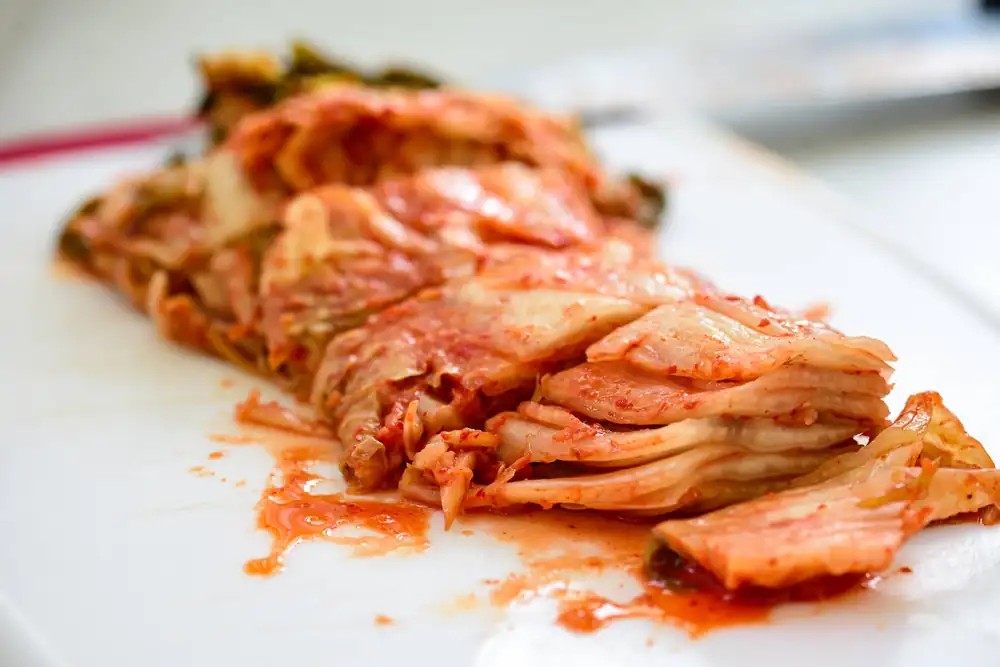
- 2 cups packed bite size kimchi (fully fermented)
- 4 ounces fresh pork belly (or other pork meat with some fat or other protein choice)
- 1 to 3 teaspoons gochugaru (Korean red chili pepper flakes) ( adjust to taste or omit)
- 1 teaspoon minced garlic
- 1 tablespoon cooking oil
- 1/2 cup juice from kimchi (if available)
- 6 ounces tofu
- 2 scallions
- salt (or a little bit of soup soy sauce or regular soy sauce) and pepper to taste
- Cut the kimchi into bite size pieces.
- Cut the meat into bite sizes. Slice the tofu (about 1/2-inch thick), and roughly chop the scallions.
- Heat a small to medium pot with 1 tablespoon of oil. Add the kimchi, pork, red pepper flakes and garlic and cook over medium high heat until the kimchi is softened and the pork cooks through, about 5 to 7 minutes.
- Add the kimchi juice and about 2 to 2.5 cups of water (or broth). Bring it to a boil, and continue cooking for 5 minutes. Then, reduce the heat to medium, and boil, covered, for about 15 minutes. You can add more water if necessary.
- Drop the tofu and scallions in. Salt (or soup or regular soy sauce) and pepper to taste. (Salt is usually not necessary, unless kimchi was lightly seasoned or kimchi juice is not available.) Boil until the tofu is cooked through, about 5 minutes. Serve while bubbling over from the heat.
- To make kimchi jjigae with no meat, follow the same steps leaving out the pork. Add one can of tuna (chamchi) with oil when adding the kimchi juice and water and boil for 10 - 15 minutes. (You can add onion slices at this point if desired.) Follow the rest of the recipe above. (Fresh or canned salmon works well too in kimchi jjigae.)
The most common dish made with aged kimchi is kimchi jjigae (김치찌개). It’s a go-to stew in Korean homes and my absolute favorite!
Growing up in Korea, we had a lot of meals just with kimchi jjigae and a bowl of rice. I don’t remember ever getting tired of it! Whether you make it to use up old kimchi, or to satisfy a craving, this small pot of comfort food is all you need for a satisfying meal.
The kimchi
When cooking with kimchi, you should always use fully fermented, sour kimchi.
The older the better! If you can’t wait for your kimchi to turn sour, add a little bit of vinegar to the kimchi before using it.
It’s not going to be as good as sour kimchi, but it’ll help a little. Also, Your Korean market may carry commercially packaged kimchi called mukeunji (묵은지), meaning old kimchi. If the kimchi is overly sour to your taste, add a teaspoon or two of sugar to the stew to balance out the sour taste.
The Meat for kimchi stew
While there are many variations, fatty pork is most favored for kimchi jjigae in Korea. As I always say, kimchi and fatty pork is a match made in heaven.
Not surprisingly, pork ribs are common and delicious in kimchi stew. Pre-boil the ribs until fairly tender, 20 to 30 minutes, and then cook with kimchi.
If you don’t like pork, use beef or canned tuna instead. This recipe also includes the canned tuna version.
Growing up, we also enjoyed kimchi jjigae that’s simply made with anchovy broth without any meat. It gives a nice, clean taste to the stew.
Tips for making good kimchi jjigae
- 1. Use old, sour kimchi.
- 2. Cook the kimchi
- 3. Use the water used to rinse rice (ssalddeumul, 쌀뜨물) as the stew base. It’s commonly used for Korean stews. Use the water from the second or third round of rinsing. The rice water thickens the broth slightly and enhances the flavor.
- 4. Anchovy broth, chicken broth, milky bone broth or vegetable broth will also be great as a soup base.
- 5. Use the juice from the kimchi if available. It will add lots of flavor to the broth.
If you want to try making kimchi at home, it’s not that difficult to make. Here are my easy-to-follow recipes: pogi kimchi, mak kimchi, and vegan kimchi.
Watch how to make it
For more Korean cooking inspirations, follow along on YouTube, Pinterest, Twitter, Facebook, and Instagram.
Notes
- Use old, sour kimchi.
- Cook the kimchi and pork together before adding the liquid. This step develops extra flavor.
- Use the water used to rinse rice (ssalddeumul, 쌀뜨물) as the stew base. It's commonly used for Korean stews. Use the water from the second or third round of rinsing. The rice water thickens the broth slightly and enhances the flavor.
- Anchovy broth, chicken broth, milky bone broth or vegetable broth will also be great as a soup base.
- Use the juice from the kimchi if available. It will add lots of flavor to the broth.