Scientists Discover How To Grow Muscle Protein Gene Inside Plants
Their findings, published by Frontiers in Plant Science, could support further improvements to the flavor, color, and nutrient density of plant-based alternative proteins, which can help to reduce the food system’s environmental footprint. The team of scientists successfully engineered tobacco and lettuce plants to car…
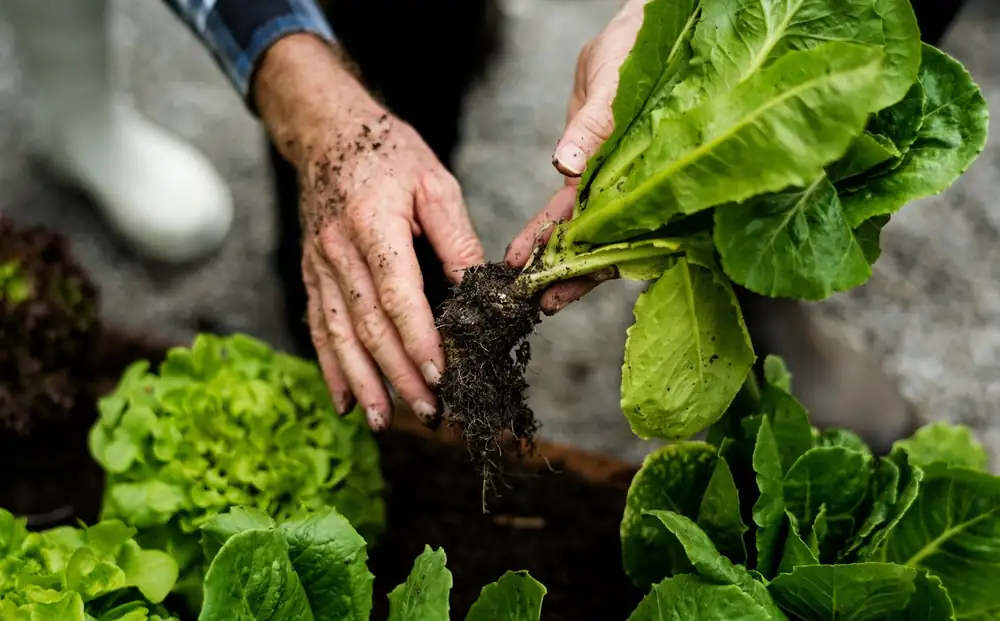
“We hope that edible lettuce, modified to express myoglobin, could also one day serve as a heme-iron-enriched biofortified food, depending on legislative approval.”
This makes it possible to mass-produce myoglobin in plants. In a statement, the team said that the expected yield at scale of this production method could rival that of livestock farming.
“Possibly the most effective personal choice we can make to reduce our environmental footprint is to eat less meat,” wrote the authors. In particular, they highlighted the excessive resource consumption of animal farming, its greenhouse gas emissions (GHGs), and its reliance on “animal suffering.” ‘A more sustainable way’ to produce important ingredients
The global market for alternative proteins is currently worth between USD $7.71 billion and $9.32 billion. It could grow by up to 12.3 percent per year for the next decade. Many researchers and companies are working on producing animal-identical proteins for plant-based meat using microbial engineering.
That process involves inserting the genes coding for animal proteins into the genome of bacteria or yeast, then precision fermented to produce sustainable, nutrient-dense ingredients. Alexia Groff, a researcher at Imperial College London and one of the study’s authors, said, “Here we show that plants can be engineered to produce the animal protein myoglobin (Mb) in their chloroplasts, the energy factories for photosynthesis.
“This could provide a more sustainable way to produce an important ingredient for plant-based meat products.”
Myoglobin, improving alternative proteins, and ‘biofortified’ lettuce
With commercialization in mind, Groff suggested extracting the myoglobin from the leaves, purifying it, and adding it to plant-based meat products “to improve their color, flavor, and nutritional value.” Myoglobin is rich in iron and is the reason that animal protein has a metallic, umami flavor and red color.
Kyoko Morimoto, chief scientific officer at Kyomei, a Cambridge-based plant biotechnology startup that partially funded the research, said, “We hope that edible lettuce, modified to express myoglobin, could also one day serve as a heme-iron-enriched biofortified food, depending on legislative approval.” PBN runs a sponsored content model.
To explore how you can get featured, please email [email protected] or visit everkinddigital.com
- Who: Plant Science · Pig Farm Transformed Into · Thriving’ Specialty Mushroom Operation
- Money: $7.71 billion · $9.32 billion
- Percentages: 12.3 percent
- Figures: 7.71 billion · 9.32 billion · 12.3 percent